
- Engaging Youth in Zoology and Wildlife Care
- The Role of Young Zoo Crew in Animal Husbandry
- Importance of Training and Hoof Care for Giraffes and Kudu
- Wildlife Conservation Efforts and Educational Outreach
- Building Future Leaders in Zoology and Environmental Stewardship
Engaging Youth in Zoology and Wildlife Care
The rising interest in zoology among younger generations highlights how hands-on experiences can spark curiosity and passion for wildlife. Many zoos now incorporate youth programs that encourage children to participate in daily animal care tasks. This not only educates them about animals but also instills a commitment to conservation. The young zoo crew in our story comprises children who care for various species, including giraffes and kudu. By being involved in animal husbandry, these kids learn invaluable skills while also developing a sense of responsibility toward wildlife.
The participation of youth in animal care helps bridge the gap between knowledge and action. When children engage directly with animals, they deepen their understanding of biodiversity and the ecosystems in which these creatures live. This experience often serves as a catalyst for continued interest in environmental sciences, prompting many young people to pursue future careers in zoology, veterinary science, or conservation.
The Role of Young Zoo Crew in Animal Husbandry
Animal husbandry is the science and art of caring for animals, which is crucial in a zoo setting. The young zoo crew handles various tasks essential to the well-being of animals, including feeding, cleaning, and daily assessments. For example, caring for giraffes involves understanding their unique dietary needs, such as incorporating a variety of browse plants. These teenagers learn not just about the nutritional requirements, but also about animal behavior and habitat management.
Children in the young zoo crew gain hands-on experience in animal training and behavior modification techniques. Positive reinforcement is commonly used to train animals like kudu. Such training is critical not only for the animals’ physical health but also for enhancing visitor experiences in the zoo. The youth learn how to employ these techniques safely and responsibly, which fosters an appreciation for ethical animal care practices.
Moreover, responsibilities like trimming the hooves of giraffes are vital for maintaining their health. This procedure helps prevent injuries and infections, which can occur from uneven wear on their hooves. Learning how to perform such essential activities prepares the young crew members for more advanced roles in animal care or veterinary medicine in the future.
Importance of Training and Hoof Care for Giraffes and Kudu
Training plays a pivotal role in the lives of both giraffes and kudu. Giraffes, being the tallest land animals, have specific needs regarding their physical health and behavioral well-being. Well-executed training regimens can facilitate veterinary care, reduce stress during examinations, and ensure that these animals are more comfortable with human interaction.
Kudu, on the other hand, are more elusive and sensitive animals. Training them requires patience and understanding of their natural tendencies. For instance, kudu are known for their strong flight response when faced with unfamiliar situations. The young zoo crew learns how to recognize these fear responses and adapt their training techniques accordingly. Through these experiences, they develop empathy and an intricate understanding of animal behavior.
Hoof care is also a critical aspect of maintaining the health of giraffes and kudu. Routine trimming prevents issues like foot rot and other hoof-related diseases. The young crew is educated about the anatomy of their charges’ feet and learns how to perform these tasks safely. Understanding the proper techniques and tools for hoof trimming provides insight into the broader field of veterinary care and enhances the crew’s skills in animal husbandry.
Wildlife Conservation Efforts and Educational Outreach
Wildlife conservation is an essential component of modern zoos, as many species face threats from habitat loss, climate change, and poaching. The young zoo crew plays a crucial role in these conservation efforts. By participating in educational outreach programs, they help raise awareness about endangered species and the importance of biodiversity.
Creating educational displays and presentations allows the youth to share their newfound knowledge about giraffes and kudu with visitors. They can explain the role of these animals within their ecosystems and advocate for conservation initiatives. Such activities foster a sense of community and responsibility, encouraging others to engage in wildlife conservation.
Young participants in these educational programs often report heightened awareness of global environmental issues. Engaging with the public allows them to consolidate their own understanding while imparting valuable information to visitors. This cyclical learning process enhances their educational journey and promotes a more informed community.
Building Future Leaders in Zoology and Environmental Stewardship
The experience gained from being a part of the young zoo crew contributes significantly to personal growth and leadership development. By taking on responsibilities, members learn teamwork, communication, and problem-solving skills. They also cultivate a sense of accountability, which is crucial for any future leadership roles they may assume in conservation efforts or scientific research.
Mentorship from experienced zoo staff members also enriches the youth’s learning experience. By observing professionals who are passionate about wildlife and conservation, these children gain insights that inspire them to become future leaders in zoology. Many staff members serve as role models, instilling in the young crew a sense of urgency regarding global environmental challenges.
Career pathways in zoology and related fields expand as these youth gain exposure to various aspects of wildlife care and management. Their time spent in the zoo enhances their understanding of the challenges that animals face in both captivity and the wild. Consequently, they develop a holistic view of wildlife, which is empowering as they contemplate their future roles in environmental stewardship.
In summary, the young zoo crew exemplifies the fruitful interaction between youth and animal care. Their engagement with giraffes and kudu not only teaches them crucial responsibilities but also highlights the importance of conservation. This generation of zoos is paving the way for a new course in wildlife education and activism, creating passionate advocates who will carry the torch of conservation well into the future. Through their hands-on experiences, they embody the next wave of leadership in zoological sciences and environmental stewardship.
*****
Source Description
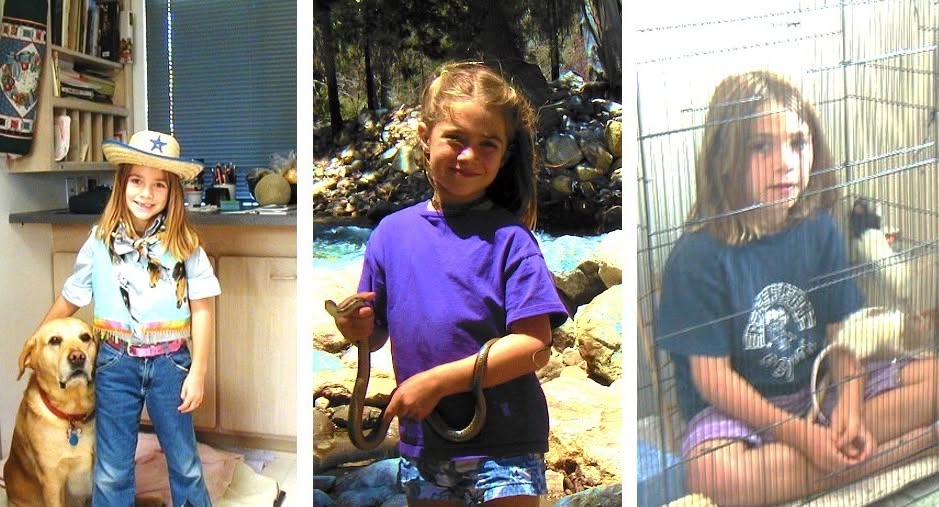
Meet our young zoo crew! These are the kids who are now taking care of giraffe, trimming hoofs, and training kudu!
