
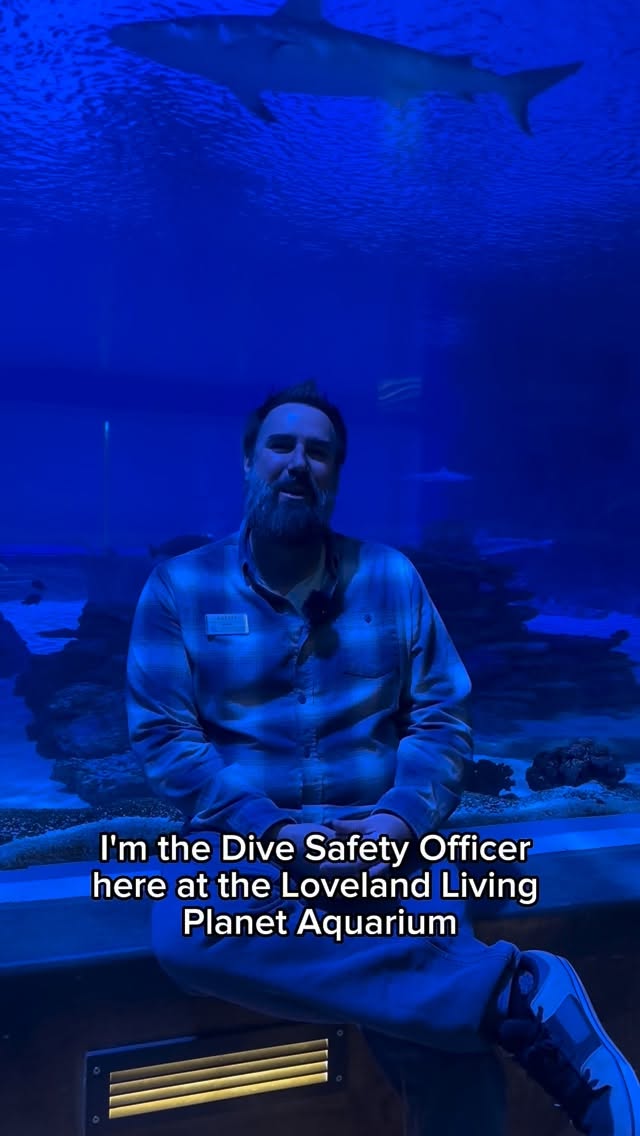
- Introduction to National Scientific Diving Week and its importance
- The role of the American Academy of Underwater Sciences (AAUS)
- Overview of aquarium diving logistics and dive locker operations
- Exploration of diverse aquatic habitats that scientists study through diving
- The impact of scientific diving on conservation efforts and public awareness
National Scientific Diving Week presents a vital opportunity to highlight the importance of underwater research and exploration. Celebrated in collaboration with the American Academy of Underwater Sciences (AAUS), this week sheds light on the intricacies of scientific diving and its significant contributions to marine biology, ecology, and conservation.
The American Academy of Underwater Sciences plays a pivotal role in promoting safety and standards in scientific diving practices. Founded in 1977, AAUS establishes guidelines that protect divers and the environments they explore. The Academy also supports education and research that further the understanding of aquatic ecosystems. Through training programs and workshops, AAUS fosters the development of skills necessary for safe diving operations while emphasizing the need for responsible research practices. Their collaboration during National Scientific Diving Week helps to raise awareness about these practices through various events, discussions, and training sessions.
Aquarium diving logistics serve as a foundational aspect of scientific exploration in aquatic environments. Planning a dive is not simply about preparing gear and timing. Divers must consider various environmental factors such as visibility, currents, and potential hazards in the habitat. Successful dives require a clear understanding of the goals of the research, whether assessing coral health or studying fish behavior. Dive teams typically include specialists ranging from marine biologists to underwater photographers. Each member plays a crucial role in ensuring that data is collected effectively and safely.
The dive locker is a vital hub for the team, housing all the necessary equipment—from tanks and regulators to cameras and underwater tools. This space requires meticulous organization to make certain that divers can quickly access what they need. Gear maintenance is also critical; regular checks ensure that everything is in working order and compliant with safety standards. Proper training in the use of equipment is equally important. By conducting drills and practicing emergency procedures, divers reinforce their skills, which can be essential in unpredictable underwater environments.
Scientific divers take the chance to explore a variety of aquatic habitats. These include coral reefs, kelp forests, and coastal wetlands, each presenting unique ecological systems and species interactions. Coral reefs, for example, are among the most diverse ecosystems on Earth. They are home to thousands of species and play critical roles in maintaining biodiversity. However, reefs are increasingly threatened by climate change, pollution, and overfishing. Scientific divers often investigate the health of coral systems, checking for signs of disease and monitoring biodiversity, which directly informs conservation efforts.
Kelp forests, another incredible habitat, provide essential ecosystem services. The towering kelp canopies support rich marine life and offer a nursery for many fish species. Scientific diving in these areas allows researchers to assess kelp health and gather data on species that rely on this habitat. Monitoring these forests is vital as they face challenges such as ocean warming and nutrient runoff.
Coastal wetlands serve as essential buffers for marine environments, mitigating erosion and filtering pollutants. They are home to diverse wildlife and play a pivotal role in water quality. Scientific divers working in these areas can track changes in vegetation and water quality, helping lawmakers and conservationists make informed decisions about restoration efforts.
The impact of scientific diving extends beyond academic circles. Public awareness of marine conservation benefits greatly from the knowledge produced by scientific divers. As divers collect data and perform research, they create opportunities for engagement with local communities and stakeholders. Educational programs and outreach initiatives allow scientists to share their findings, fostering a sense of stewardship among the public. Science communication is critical in advocating for conservation policies and sustainable practices.
Furthermore, scientific diving contributes to the broader understanding of climate change and its effects on aquatic ecosystems. Collecting long-term data from specific sites enables researchers to identify trends and better anticipate future challenges. These insights can inform decisions made at both local and global levels regarding the sustainable management of marine resources.
As National Scientific Diving Week unfolds, it is crucial to acknowledge the dedication of those involved in this field. The efforts of scientific divers, in collaboration with organizations like AAUS, play a meaningful role in protecting and understanding our planet’s oceans. Encouraging a new generation of divers through educational programs will ensure that the exploration and conservation of marine environments continue.
The ocean is a vital component of our planet’s overall health. Each dive contributes to the mosaic of knowledge that shapes conservation strategies. As research and education expand, so does our responsibility to secure marine habitats for future generations. Recognizing National Scientific Diving Week celebrates these efforts, underscoring their importance in scientific research while encouraging public interest and participation in environmental stewardship.
Underwater exploration presents unparalleled challenges and rewards. Those engaged in scientific diving carry not just the weight of their gear but also the responsibilities of documenting environmental conditions and driving educational initiatives forward. As this week highlights the essential role of diving in scientific research, it also serves as a call to action for everyone to engage with marine conservation efforts and recognize the contributions of underwater scientists. The collective impact of scientific diving is evident in the ongoing efforts to preserve marine biodiversity and educate the public on the importance of aquatic ecosystems.
*****
Source Description
Join us in celebrating National Scientific Diving Week in collaboration with the American Academy of Underwater Sciences (AAUS)! 🤿
Follow along on our stories today as our Dive team talks about Aquarium diving logistics, our dive locker, all the habitats we get to dive, and more!
