
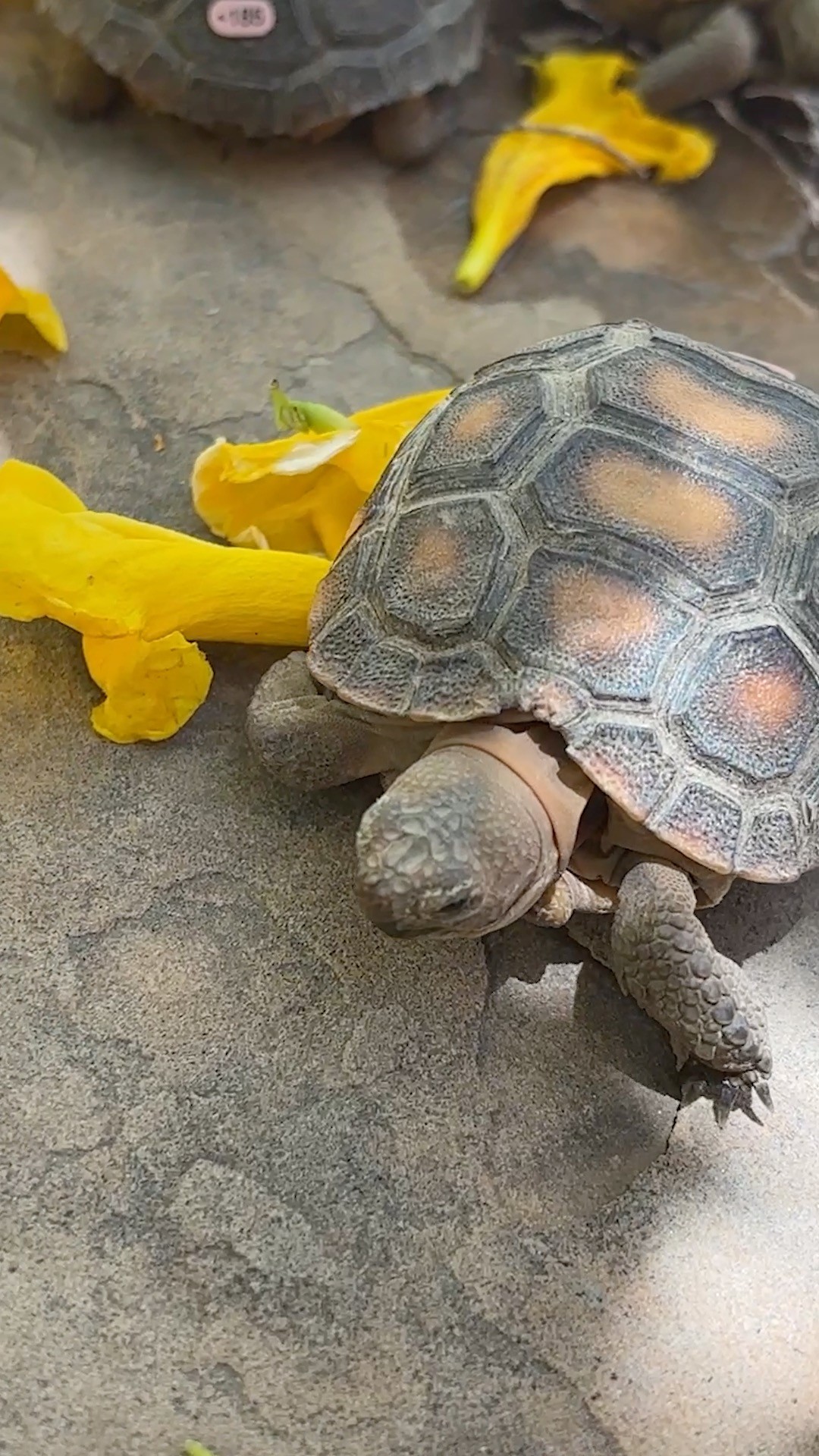
- The significance of National Turtle Day and its history.
- Understanding the Desert Tortoise and its habitat.
- The role of the Desert Museum’s Tortoise Adoption Program (TAP).
- Conservation challenges facing desert tortoises.
- Steps to take before adopting a desert tortoise.
National Turtle Day is celebrated every year on May 23rd as a way to raise awareness about the ongoing threats to turtle populations and their habitats. This day was established in 2000 by a naturalist, educator, and turtle enthusiast, Rebecca Evans. The day calls upon people to engage in conservation efforts and learn more about the various species of turtles and tortoises and the ecosystems they inhabit. National Turtle Day serves as a reminder of the importance of including turtles in our wildlife conservation dialogues and actions.
Desert tortoises (Gopherus agassizii) are one particular species that need attention. These tortoises inhabit the arid deserts of the southwestern United States, including parts of California, Nevada, Utah, and Arizona. Their distinctive traits include a robust, domed shell and a relatively slow growth rate, with some individuals living to be over 50 years old in the wild. They play a vital role in their ecosystem, as they contribute to soil aeration and seed dispersal, fostering the growth of plant communities. Understanding their ecological importance is essential for effective conservation.
The Desert Museum’s Tortoise Adoption Program (TAP) is instrumental in addressing the increasing number of unwanted desert tortoises. In partnership with Arizona Game and Fish, this program rehomes healthy tortoises with qualified custodians. This initiative also raises awareness about the issues linked to tortoise adoption and care. Many individuals acquire tortoises without understanding the long-term commitment required or the specific care they need. As a result, many tortoises end up being relinquished, leading to a growing population of unwanted and potentially distressed animals.
The program strives to educate the public on proper care practices and the responsibilities involved in owning a desert tortoise. As part of this effort, TAP emphasizes the importance of not adopting tortoises lightly. Prospective adopters should be informed about the required habitats, diet, and social needs of these animals. This understanding helps to ensure that when a tortoise is adopted, it finds a proper home that can meet its needs.
Several key challenges face desert tortoises in their natural habitats. Development, habitat destruction, and climate change contribute to the decline in their populations. Urban expansion tends to fragment their habitats, making it difficult for tortoises to find food, mates, and engage in other vital behaviors. Furthermore, climate change poses additional threats, as increasing temperatures and changes in precipitation patterns can directly impact their survival. It is essential to address these issues with effective conservation strategies that involve habitat restoration, protection policies, and educated public involvement.
Before adopting a desert tortoise, consider various factors to ensure that both you and the tortoise will thrive in the new environment. First, evaluate your living space. Desert tortoises require access to a designated outdoor habitat that mimics their natural environment. This space should include areas for basking, burrowing, and roaming. Second, familiarize yourself with their dietary needs. A diet primarily consisting of grasses, leafy greens, and certain safe flowers is recommended, while moist food is essential for their hydration.
Additionally, prospective adopters should be aware of the legal aspects of tortoise ownership. Many jurisdictions have specific regulations in place for adopting or keeping desert tortoises. Be sure to check local laws regarding permits before proceeding with adoption. Finally, ongoing education about the specific requirements for keeping a desert tortoise will better equip you for long-term care. Adoption is not merely about providing a home; it involves a commitment to a living being that relies on you for its well-being.
By observing National Turtle Day and considering adoption through programs like TAP, individuals can contribute positively to conservation efforts. Rehoming desert tortoises promotes responsible ownership while removing these animals from potentially neglectful or harmful situations. The education gained through programs like TAP not only helps individual tortoises but also fosters a deeper understanding and respect for the species as a whole.
The thoughtful act of adopting a desert tortoise can significantly impact local ecosystems and promote awareness about these remarkable creatures. Involving oneself in tortoise conservation efforts is not just about rescuing a single tortoise; it’s about contributing to a larger narrative focused on sustainability and environmental stewardship. Each small action taken towards the cause can lead to significant changes in the lives of desert tortoises and the ecosystem they inhabit.
Participating in National Turtle Day events or supporting organizations that work to rehabilitate and educate the public about tortoises creates a ripple effect in the community. Raising awareness during this day provides an opportunity to reflect on the urgency of conservation actions across various species. It serves as a platform to engage more actively with wildlife conservation efforts and highlights how individual behaviors can shape broader ecological outcomes.
In addition to adopting a tortoise, individuals can contribute by volunteering with local environmental organizations or participating in educational programs that focus on the ecological importance of tortoises. Participating in group conservation efforts helps bolster community understanding and engagement while fostering meaningful connections with nature.
By choosing to learn about, celebrate, and protect desert tortoises and other turtle species, individuals take an active role in protecting the biodiversity of our planet. Every citizen has a part to play in ensuring the survival of these species for future generations. Celebrating National Turtle Day can inspire individuals to make informed choices that benefit both turtles and their habitats.
*****
Source Description
Celebrate National Turtle Day and consider adopting a Desert Tortoise! 🐢
The Desert Museum’s Tortoise Adoption Program (TAP), in partnership with Arizona Game and Fish, helps rehome healthy, unwanted desert tortoises (Gopherus agassizii) in the Tucson area with qualified custodians—while promoting conservation, proper care, and the protection of wild populations.
This program exists to address an issue that is exacerbated by illegal actions such as breeding captive tortoises, removing tortoises from the wild, and releasing tortoises that have already been in human care back into the wild.
Think your home is a good fit for a desert tortoise friend? Learn more at the link in our bio!
