
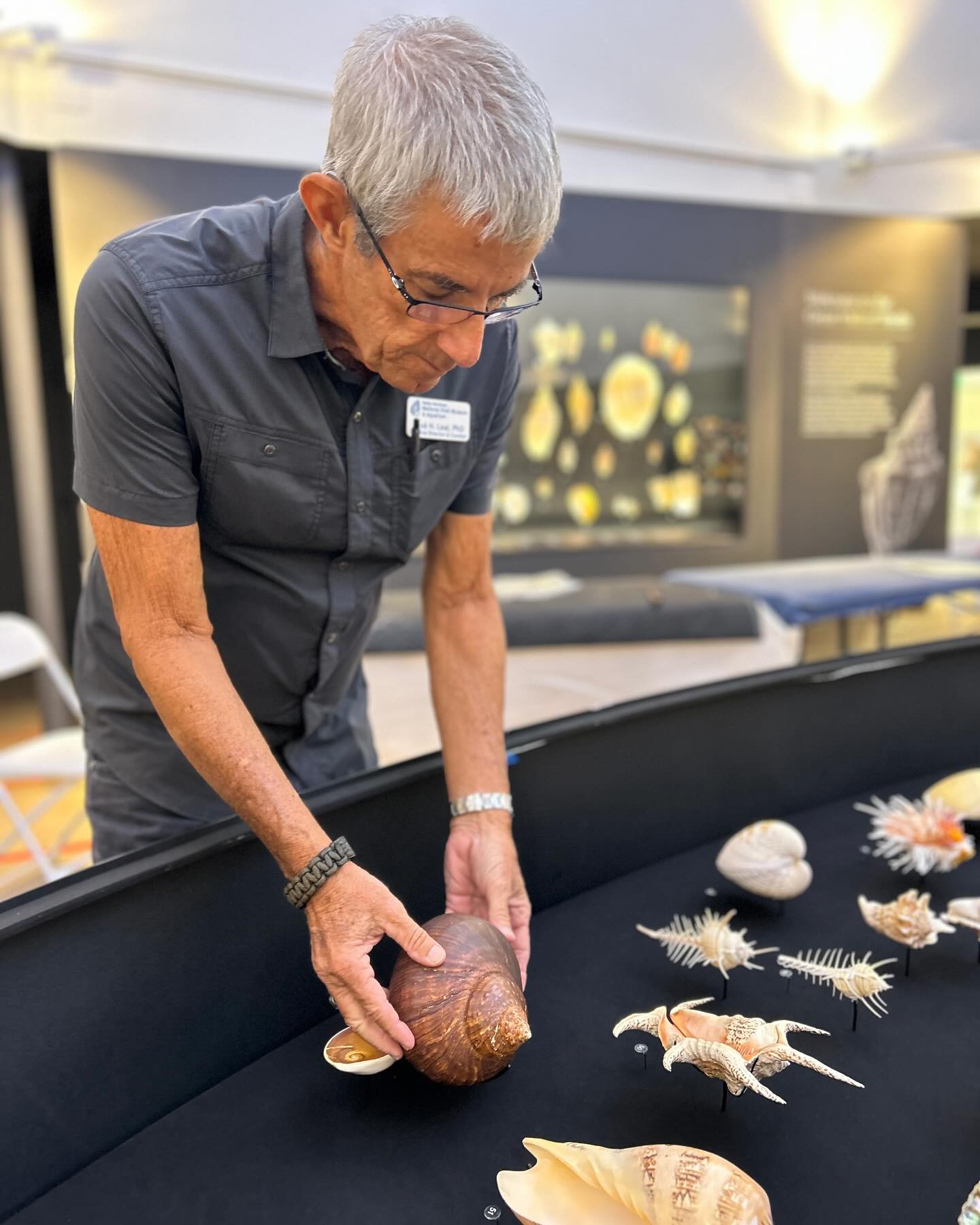
- The significance of the Great Hall of Shells in biodiversity education
- Dr. Leal’s role in marine research and conservation efforts
- Impact of public exhibits on marine conservation awareness
- Practical details for visiting the new exhibit
- Future phases of the Shell Museum’s development and their goals
The Great Hall of Shells represents a pivotal development in marine education and conservation. Situated within the Shell Museum, this exhibit is designed to foster a profound understanding of the diverse marine ecosystems, particularly the variety of shell-bearing organisms. Visitors will engage with intricate displays that showcase not just the aesthetic beauty of shells but also their ecological importance. The exhibit is not only a space for appreciation but serves as a key educational tool to highlight issues like marine biodiversity, habitat preservation, and the ongoing impact of human activity on ocean life.
Dr. Leal has been a cornerstone in the creation of the Great Hall of Shells. With extensive experience in marine biology and zoology, his expertise contributes significantly to the quality of this exhibit. Dr. Leal’s research often focuses on shellfish and their roles in marine ecosystems. He emphasizes the clear connection between these organisms and broader ecological health. Through scientific studies, he has demonstrated how shellfish populations can indicate the overall condition of marine environments. His efforts in installing the finishing touches of the exhibit highlight his commitment to integrating scientific research with community education.
Public exhibits like the Great Hall of Shells play a crucial role in spreading awareness about marine conservation. They provide an opportunity for visitors to learn firsthand about the extraordinary adaptations and behaviors of marine species. By showcasing unique shell formations and their origins, the exhibit encourages visitors to marvel at the intricacies of marine life. Furthermore, educational initiatives—such as guided tours, workshops, and informational signage—enhance the visitor experience, allowing for deeper engagement with the material. Each display aims to impart knowledge about sustainable practices that can protect marine habitats from degradation.
Visitors can look forward to an informative experience beginning tomorrow, Saturday, May 24th. The Shell Museum has designed a welcoming environment for all, replete with interactive elements. Engaging displays will captivate both children and adults alike. Comprehensive visitor resources available on ShellMuseum.org provide details regarding operational hours, ticket pricing, and special programming. Knowing what to expect can enhance the overall experience, making it easier to plan a visit that aligns with personal interests.
As the Shell Museum gears up for the opening of Phase 1, staff and researchers are already looking ahead to future phases of development. These plans entail expanding the existing exhibit space and integrating additional educational programs. Each upcoming phase will build upon the knowledge and engagement established in the Great Hall of Shells. This thoughtful progression aims to broaden the scope of marine education and highlight the urgent need for conservation strategies.
The Great Hall of Shells stands as a beacon for conservation awareness. It exemplifies the collaborative efforts of researchers, educators, and the community in promoting environmental stewardship. By participating in exhibits like this, visitors can contribute to a larger movement. The more people understand marine ecosystems, the more they can advocate for sustainable practices that protect them.
Understanding marine biodiversity is critical in the face of climate change and pollution. Each shell on display tells a story of survival, adaptation, and the environmental pressures these organisms face daily. Knowledge accrued through studying shells can enlighten conservation practices aimed at protecting marine habitats. The Great Hall of Shells ultimately serves as a vital link between science and social responsibility, inspiring future generations to become stewards of the oceans.
In summary, the intricate balance of marine ecosystems is an immense focus for both researchers and the general public. The Great Hall of Shells is more than just an exhibit; it is a learning hub that emphasizes the vital role that shell-bearing organisms play in marine health. With Dr. Leal’s passion and commitment, visitors may find inspiration to contribute to conservation efforts actively.
Furthermore, the educational potential of the exhibit must not be overlooked. Each shell represents ecological tales waiting to be shared. As the world continues to confront significant environmental challenges, gaining insight into marine life becomes ever more crucial. Educational initiatives encourage us all to reflect on our responsibilities in conservation.
The Great Hall of Shells promises to be a dynamic experience for all who visit. It serves as an invitation to explore marine life more profoundly and advocates for informed stewardship of our oceans. Participating in this exhibit means embracing the importance of biodiversity, and it illustrates how interconnected our actions are with ecosystems far beyond our immediate surroundings.
Innovations in exhibit design also pave the way for more inclusive learning. Interactive digital resources, 3D displays, and informative workshops will enhance visitor experiences and foster greater understanding. Those who explore the Great Hall of Shells will likely leave motivated to affect positive change in their communities.
As Dr. Leal perfects the final elements of this phase, he enriches not only the Shell Museum but also the broader dialogue surrounding marine conservation. By inviting the community to engage with science and art through the lens of shells, this exhibit acts as a critical touchpoint for awareness and education. It beckons us to re-examine our relationship with our oceans and motivates us to protect fragile marine habitats from harmful practices.
The Shell Museum is taking significant strides toward being a leader in marine education. With the opening of the Great Hall of Shells, it lays groundwork for an ongoing conversation about the importance of marine ecosystems. Visitors will find a space where they can connect, learn, and ultimately, inspire action. The incorporation of modern science into public exhibits serves to elevate the conversation surrounding conservation practices.
In the coming months and years, what unfolds at the Shell Museum will continue to evolve. The vision includes expanding educational outreach and fostering partnerships within the scientific community. Future phases promise to include other facets of marine science, creating a comprehensive educational landscape focusing on sustainability.
The awareness cultivated through the Great Hall provides critical knowledge for both local communities and global audiences. By highlighting species that are often overlooked, the exhibit promotes dialogue about the state of the marine environment and the pressing need for preservation efforts. The importance of such projects cannot be overstated, as they align scientific understanding with community engagement.
As the Shell Museum welcomes visitors, it does so with an open invitation: come and engage, learn, and contribute to marine conservation. The Great Hall of Shells is not just a visual delight; it’s an educational endeavor aimed at a collective future that embraces sustainability. By participating, visitors can play a part in the ongoing commitment to understand and protect the oceanic world, one shell at a time.
*****
Source Description
The moment we’ve been waiting for: Dr. Leal here installing the finishing touches on Phase 1 of the new Great Hall of Shells! Open to the public beginning tomorrow, Saturday, May 24th. Plan your visit at ShellMuseum.org!
