
- National ZooKeeper Week: Its Importance and History
- The Role of ZooKeepers in Animal Care
- Conservation Efforts Led by ZooKeepers
- Spotlight on Megan: Her Work and Contributions
- Engaging in ZooKeeper Week: How You Can Participate
National ZooKeeper Week is a time dedicated to celebrating the professionals who play a critical role in animal care, education, and conservation. Falling in the third full week of October, this annual observance highlights the vital functions that zoo staff perform beyond the public eye. The week is not just a spotlight on their responsibilities but also an opportunity for visitors to understand the dedication that goes into ensuring the health and welfare of thousands of species.
ZooKeepers are essential to the ongoing care of animals in captivity. Their work ranges from feeding and habitat maintenance to veterinary care and education outreach. Beyond simple caretaking, they analyze behavioral patterns, monitor physical health, and offer enrichment activities to keep animals stimulated and engaged. This commitment requires a solid background in animal science, behavior, and veterinary knowledge.
Conservation is another integral aspect of a zookeeper’s role. Many zoos participate in global conservation initiatives aimed at protecting endangered species. Such initiatives often include breeding programs and habitat restoration efforts. The Association of Zoos and Aquariums (AZA) supports these missions through programs like SAFE (Saving Animals From Extinction). This initiative emphasizes collaborative efforts to combat the decline of various species and ecosystems around the world.
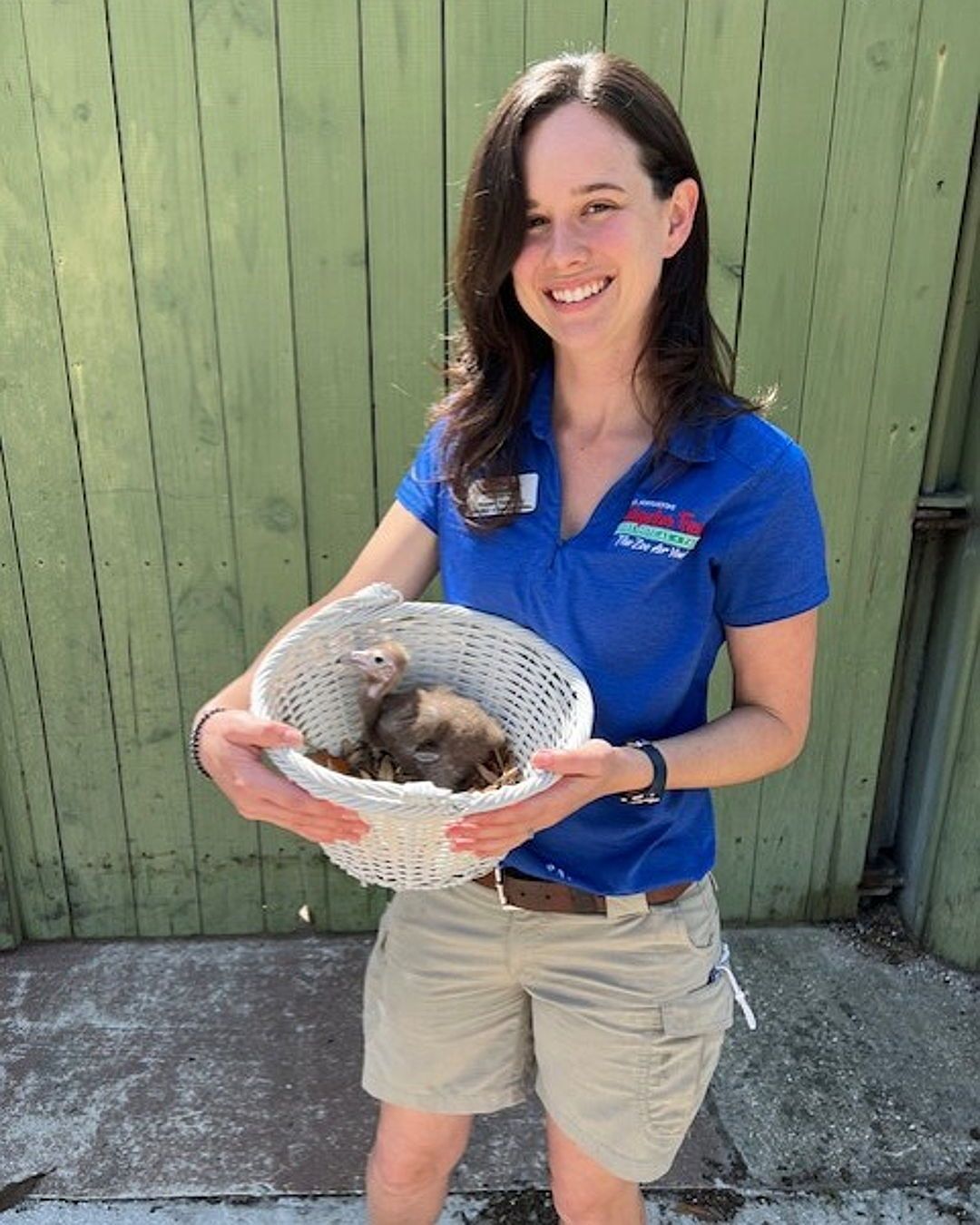
Meet Megan, the Curator of Birds and Mammals at her facility. With a deep-seated passion for avian species, she dedicates her time not only to caring for birds but also to participating in conservation initiatives, like the African Vulture SAFE program. This program specifically aims to combat the alarming decline of vulture populations, which are vital for maintaining ecosystem health. Vultures act as nature’s clean-up crew by consuming carrion, thereby controlling disease spread. Megan’s role extends beyond daily care; she actively educates the public about the importance of vultures and the threats they face.
ZooKeeper Week is a celebrated time for recognizing individuals like Megan. They enrich our understanding of wildlife and contribute significantly to conservation success stories. Their commitment to animal welfare resonates daily, but during this week-long celebration, their achievements are put front and center. Educational programs, games, and behind-the-scenes tours often take place, allowing the public to engage more fully with the staff and the animals they care for.
ZooKeeper Week invites all who have an interest in wildlife to participate in various activities organized by their local zoos. Many institutions create events to attract avid animal lovers, as well as those who may not typically visit. Activities often include talks by keepers, interactive exhibits, and opportunities to learn more about specific species. The community involvement fosters a deeper appreciation for wildlife and enhances the connection between humans and animals.
The education that occurs during National ZooKeeper Week extends beyond just the events. Social media campaigns often accompany this week, showcasing the day-to-day lives of zookeepers. Videos, photographs, and blog posts provide a window into the skillful care that goes into managing diverse animal populations. This outreach serves to inform the public and inspire action in conservation.
ZooKeepers leverage their expertise in animal behavior as well. They study how animals interact with their environments and each other, and then apply what they learn to improve animal care techniques. For instance, if a particular species benefits from specific types of enrichment or habitat modifications, keepers can adjust living conditions accordingly. This ongoing assessment highlights the dynamic relationship between animals and their keepers.
In addition to animal welfare and care, zookeepers also focus on broader conservation efforts. Many species in zoos are part of global breeding programs to help sustain their populations. These programs often involve partnerships between different zoos across continents. By sharing genetic material and information, zookeepers can work towards maintaining genetic diversity, which is crucial for the long-term survival of endangered species.
Megan’s involvement with the African Vulture SAFE program exemplifies how personal passion can align with professional responsibilities. Vultures face numerous threats, including habitat loss, poisoning, and hunting. By promoting awareness and soliciting support for vulture conservation, Megan not only enhances her local community’s understanding of these birds but also contributes to global efforts aimed at preserving them. The program includes collaborative research projects that gather important data on vulture populations, enabling scientists to develop effective strategies to protect them.
Megan’s commitment highlights an essential philosophy behind zoo work: that every species has intrinsic value and contributes to the overall health of ecosystems. By fostering public interest in conservation, zookeepers can inspire community members to take action. Simple actions, such as reducing waste, being aware of pesticide use, and supporting local conservation efforts, can all have profound impacts.
Another vital aspect of zoo management is education. ZooKeepers often take on an educator role, translating complex scientific information into accessible concepts for the public. They conduct demonstrations, answer questions, and create engaging experiences that make learning about wildlife enjoyable. Programs designed for school groups often enrich students’ understanding of biology, ecology, and conservation principles.
Educational outreach also builds a sense of stewardship toward the environment. By highlighting the interdependence of species within ecosystems, zookeepers foster a greater understanding of biodiversity and its importance. When visitors connect with stories of individual animals and broader wildlife challenges, they are more likely to become advocates for conservation efforts.
Involvement in local community events further enhances zooKeepers’ outreach. Participating in festivals, wildlife fairs, and educational workshops helps them reach broader audiences. Here, they can share expertise and elevate awareness about pressing environmental issues such as climate change and habitat destruction. These engagements promote the idea that conservation is a collective responsibility and encourage community members to ask questions and seek solutions.
During National ZooKeeper Week, community engagement becomes a focal point. Zoos frequently host special programs designed to draw visitors of all ages. Workshops on conservation, art contests featuring animal themes, and interactive Q&A sessions with zookeepers are common. Monetary proceeds from these events can also contribute to conservation efforts, further extending the impact.
Animal welfare and conservation efforts do not just play out within the confines of zoo walls. Many zookeepers also work alongside organizations aimed at habitat restoration and species rehabilitation. These partnerships extend help to animals in the wild and further exemplify the commitment to wildlife protection.
ZooKeepers are often involved in species recovery efforts, where they assist in the relocation of animals to safer habitats or coordinate rescue operations. Such actions require extensive planning, collaborating with a network of professionals, including conservationists and wildlife biologists on the ground.
By observing how animals interact with their environments in captivity, zooKeepers can gain insights that are valuable for fieldwork. Studying behavior and diet can inform conservation strategies aimed at protecting species in their natural habitats. These practices facilitate a continuous exchange of knowledge that ultimately strengthens conservation efforts globally.
The care and passion that zookeepers exhibit for their charges resonate with visitors, fostering lasting impressions. National ZooKeeper Week invites everyone to reflect on the importance of these professionals and the ongoing threats to the wildlife they care for. This week encourages active participation, sparking a desire to learn more about local wildlife, conservation efforts, and the immense efforts involved in animal care.
In the spirit of National ZooKeeper Week, local zoos often share inspiring stories of staff members who have gone above and beyond in their contributions. The recognition of individuals like Megan serves as motivation for others, illustrating how dedication can make a lasting difference in the world of wildlife conservation.
The commitment seen during this week is not confined to just one week out of the year. It resonates every day through the tireless efforts of zookeepers who devote their lives to ensuring the health, safety, and understanding of wildlife. Whether through direct animal care, educational outreach, or community involvement, each action contributes to a larger mission—a mission to conserve and protect the incredible biodiversity of our planet for future generations.
*****
Source Description
National ZooKeeper Week may only be one week out of the year, but we celebrate them everyday! Meet Megan, our Curator of Birds and Mammals, and when she’s not giving love and care to baby vultures, she loves playing trivia and board games.
She is also involved in the African Vulture SAFE program, helping to promote vulture conservation. SAFE stands for Saving Animals From Extinction. You can find more information on our website under Conservation and Research.
