
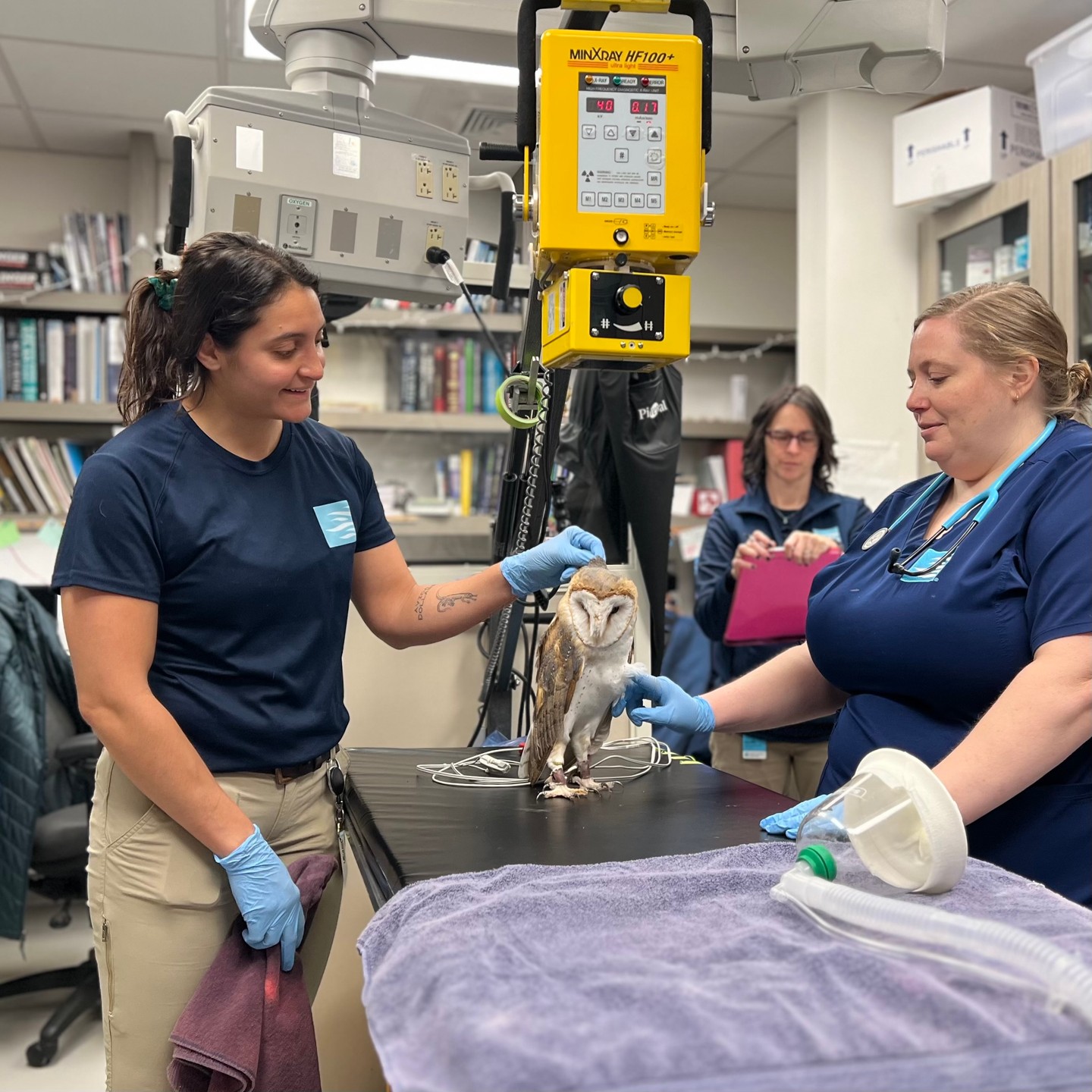
- The critical role of animal care professionals in zoos and wildlife facilities
- The importance of nutrition and meal planning for animal health
- The significance of administering medications and health interventions
- Enrichment activities and their impact on animal well-being
- Collaboration within the animal care team for holistic animal welfare
Every day, animal care professionals dedicate their time to the health and wellbeing of animals in zoos and wildlife facilities. These experts play an essential role in the functioning of zoological parks, focusing not only on animal care but also on conservation and education. This week, we shine a light on their invaluable contributions, showcasing some of the familiar faces who keep animal welfare as a top priority.
The role of animal care professionals goes beyond basic husbandry. They are the backbone of animal facilities, ensuring that every animal receives personalized attention. Each individual on the team is responsible for diverse tasks that range from feeding routines to medical care, tailored to the specific needs of each species. Their dedication ensures that animals thrive and remain healthy throughout their stay.
Nutrition is a fundamental aspect of animal care. Animals in zoos require diets that mimic their natural feeding patterns. This meticulous planning involves understanding each species’ unique nutritional requirements. For example, a vegetarian diet for a green sea turtle differs significantly from a carnivorous diet for a hawk. Animal care staff work closely with nutritionists to create meal plans that are balanced and varied. They consider factors such as age, species, and health conditions, all while ensuring that energy levels and physical health are maintained. The careful selection of ingredients not only supports physical health but also enhances the overall wellbeing of the animals.
Alongside nutrition, the administration of medications and health interventions is a crucial component of animal care. Regular health checks and vet visits are part of routine care. Animal care professionals are trained to monitor the animals for symptoms of illness, assessing factors like behavior, appetite, and physical condition. They collaborate closely with veterinary staff to identify and address health issues promptly. This proactive approach is vital—early diagnosis can lead to successful treatment and recovery.
Moreover, medications may also involve complex regimens. This can include daily vitamins for certain species or specific treatments following veterinary diagnosis. Managing these healthcare routines requires attention to detail, as professionals must ensure that each animal receives the correct dosage at appropriate intervals. These health interventions can significantly impact an animal’s quality of life, underscoring the importance of the animal care team’s work.
In addition to health and nutrition, enrichment activities play a crucial role in the overall welfare of animals. Natural behaviors should be encouraged to allow animals to express their instincts. Enrichment can take various forms—novel objects, engaging tasks, or sensory stimulation that challenge the animals mentally and physically. For instance, a simple cardboard box can be transformed into a source of excitement for a big cat, while puzzles containing food can captivate a primate’s attention.
The goal of enrichment is to mitigate boredom and reduce stress. Animals that receive adequate stimulation exhibit fewer signs of behavioral issues, making for a healthier less stressful environment. Through creative planning, staff can devise enrichment strategies that are specific to the needs of each species. The commitment to creating a stimulating environment resonates through all sectors of animal care.
Critical to all these functions is the collaborative spirit within the animal care team. Each member brings unique expertise and perspectives, enriching the understanding of animal care practices. This collective knowledge base supports comprehensive animal welfare. Team members often share insights about specific animals, noting changes in behavior, dietary preferences, or health concerns. This open communication leads to more effective strategies and promotes better outcomes for the animals.
Team dynamics are important as they influence how well care is delivered. Together, animal care professionals create a unified method that ensures all aspects of care are seamlessly integrated. Regular meetings foster professional development, encouraging staff to exchange ideas and stay up-to-date with the latest research in animal care and welfare.
Animal care professionals are also crucial in educating the public about wildlife conservation. They serve as advocates for the animals in their care, emphasizing why conserving habitats and protecting species should be a priority. This educational role not only raises awareness but also inspires community involvement in conservation initiatives. By sharing stories about the animals, they foster a connection between zoo visitors and the creatures they encounter.
Educational programs often involve direct interactions with visitors. Programs designed to highlight specific species or conservation efforts encourage guests to understand the challenges that wildlife faces. Informative talks and hands-on activities can be instrumental in promoting empathy towards animals and fostering a sense of responsibility for environmental stewardship.
In addition to public education, animal care professionals often collaborate with conservation organizations on wildlife projects. This creates opportunities to work with endangered species beyond the zoo environment. The insights gained from working with animals in captivity can contribute valuable information on species behavior and health, thereby aiding conservation efforts in natural habitats.
Furthermore, the focus on scientific research within accredited facilities enhances the role of animal care professionals. Participation in research projects enables them to contribute to the broader understanding of animal biology and conservation. This often leads to important findings that can improve care standards or inform wildlife management practices.
Animal care professionals also engage in ongoing training to stay informed about best practices. This commitment to learning reflects a dedication to the animals and their welfare. Workshops, conferences, and online courses provide these professionals with the tools they need to adapt to new challenges in animal care and conservation.
As we spotlight the contributions of our animal care team, it is essential to appreciate the intricate work that goes into serving each animal. The combination of health care, nutrition, and enrichment emphasizes how multifaceted animal care is. The dedication of these professionals is evident in every aspect of their work.
Reflecting on the importance of their role, it is clear that animal care professionals are fundamental to wildlife conservation. Their day-to-day commitment keeps animals thriving and helps to promote a culture of kindness and awareness in our communities. The education they provide inspires future generations to appreciate wildlife and advocate for its preservation.
As we join in showing appreciation for the animal care team, let us also reflect on the significance of their efforts. Every animal cared for serves as a reminder of the dedication required to maintain healthy ecosystems. Their work is not only essential to individual animals but also vital to the larger mission of protecting wildlife and preserving biodiversity on our planet.
*****
Source Description
In case you haven’t heard… it’s 🐍 🦅
Every day, our dedicated animal care professionals work around-the-clock to ensure the health and wellbeing of every animal in our care 🩵 Every week — and this week in particular — their impact cannot be understated.
We’re starting off this week’s spotlight with just a few of the familiar faces who keep top-notch animal care at the heart of our operations. From intricate meal planning to administering medications to providing enrichment, their passionate commitment keeps our animals thriving 🐢
Join us this week in showing some love for our entire animal care team!
.
.
.
