
- Introduction to the Patagonian cavy and its habitat
- The birthday celebration of Dulce and Fria
- The significance of the Pampas ecosystem
- Conservation efforts for Patagonian cavies and their habitat
- The role of zoos in education and conservation
The Patagonian cavy, scientifically known as Dolichotis patagonum, is a fascinating rodent native to South America. This creature is renowned for its long ears, elongated body, and distinctive hopping gait. Often found in the open grasslands, known as Pampas, these animals are herbivores, primarily grazing on grasses and other vegetation. They play an essential role in their ecosystem, contributing to the dispersion of plant seeds and maintaining the health of their habitats.
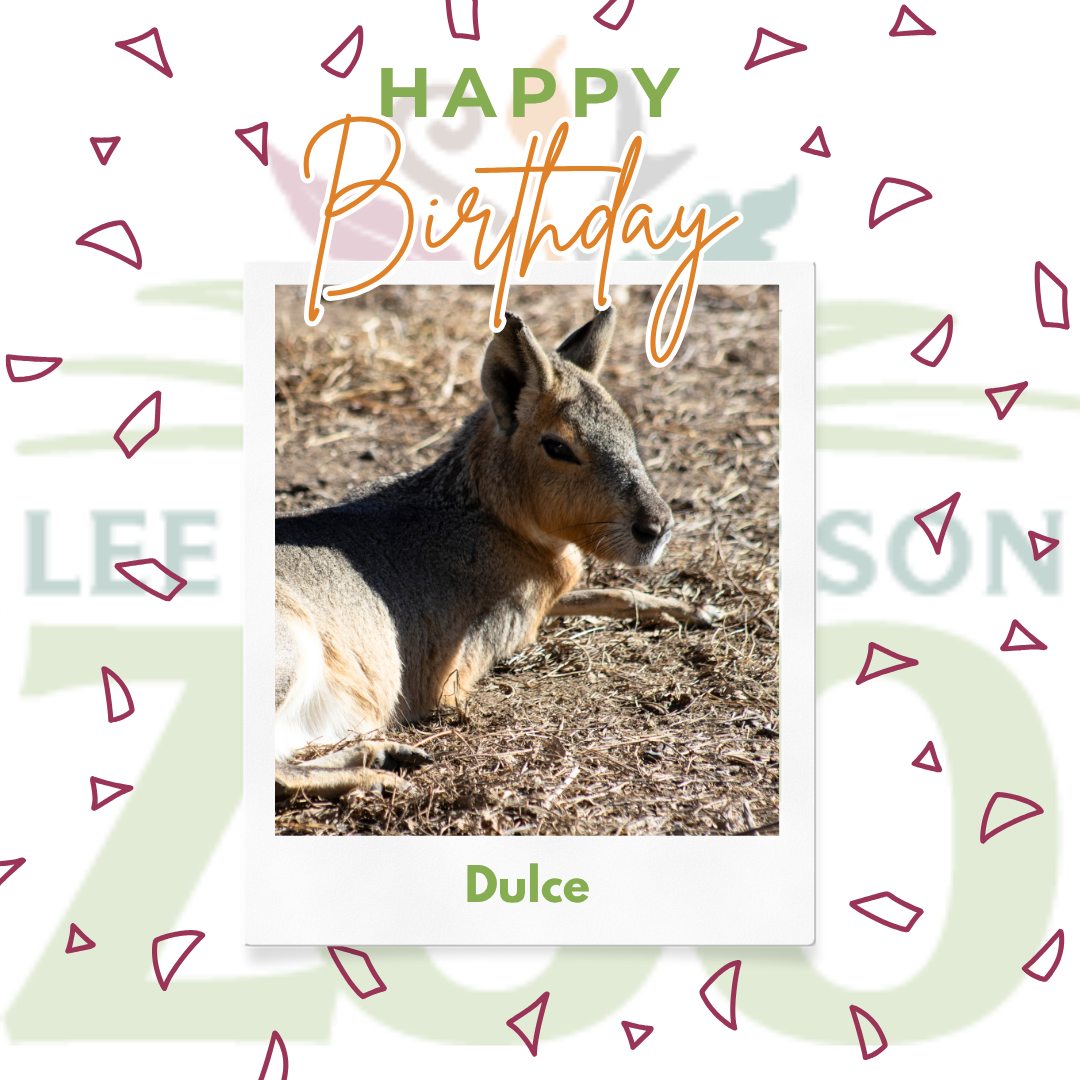
Today, we celebrate the 10th birthday of two charming Patagonian cavies named Dulce and Fria. Located within the South American Pampas section of our zoo, these siblings embody the lively spirit of their kind. Visitors are encouraged to stop by to offer their birthday wishes. This occasion not only highlights the cavies but also provides an opportunity to learn about these amazing rodents.
The Pampas ecosystem, where Dulce and Fria reside, is characterized by vast stretches of grassland interspersed with bushes and occasional trees. The region’s climate is temperate, with distinct wet and dry seasons. This environment supports a variety of wildlife, including the alpaca, another notable resident of the area. The harmonious coexistence of these species exemplifies nature’s intricate design.
The significance of conserving the Pampas cannot be overstated. Over the past century, this habitat has faced tremendous threats due to agriculture, urbanization, and climate change. The conversion of grasslands into croplands has drastically reduced the natural habitat available for many native species, including the Patagonian cavy. Conservation efforts are vital for preserving both the cavies themselves and the overall biodiversity of the region.
Zoos play a crucial role in wildlife conservation, providing educational resources and engagement opportunities for the public. Education is fundamental to fostering a sense of stewardship towards animals and their habitats. By raising awareness about the struggles that species like the Patagonian cavy face, zoos can inspire action and empower individuals to support conservation initiatives.
On this special day, the celebration of Dulce and Fria serves as a reminder of the beauty and complexity found within the natural world. It highlights the need for continued efforts in wildlife conservation and habitat protection. Visitors are invited not only to wish the cavies a happy birthday but also to engage with information about their species and the environment they inhabit.
Understanding the biology of the Patagonian cavy is essential for comprehension of its ecological role. These rodents are social animals, often living in groups called herds. Their social structure helps them survive against potential predators, such as foxes and pumas. Group living also facilitates foraging, as members can keep an eye out for one another while grazing. Their lifestyle emphasizes the importance of social behavior in the survival of many species.
Dulce and Fria exhibit behaviors typical for their species. They are most active during the early morning and late afternoon, times that align with their grazing habits. Their diet mainly consists of grasses, along with herbs and succulent plants, showcasing their adaptability as herbivores. It is important to note that their grazing habits contribute to the maintenance of their habitat, promoting plant health and diversity.
As the birthday celebration continues, educational programs will be available, allowing visitors to dive deeper into the world of Patagonian cavies. Zookeepers will be on hand to share insights into their care, feeding, and housing. Participants will learn about the challenges facing these animals and what can be done to support their conservation both in captivity and in the wild.
The importance of habitat conservation cannot be ignored. Patagonian cavies thrive in grasslands that are rich in biodiversity. The loss of these habitats not only threatens their existence but also affects countless other species that rely on the same ecosystem. Conservationists are working diligently to rehabilitate degraded lands and promote the sustainable use of resources within the Pampas.
Several organizations actively participate in the conservation of Patagonian cavies. They initiate habitat restoration projects, research programs, and community engagement campaigns to raise awareness about these rodents. These initiatives are vital in ensuring the survival of not just the Patagonian cavy but also the myriad of species that cohabitate within their environment.
Zoos contribute significantly to these efforts through breeding programs aimed at maintaining genetic diversity. These programs enhance the species’ population both in captivity and in the wild. By establishing a genetic bank, conservationists can work towards reintroducing individuals into their natural habitat, enhancing the likelihood of survival for the species in the wild.
Engaging the younger generation is crucial for effective conservation. Educational outreach programs at zoos, where animals like Dulce and Fria can be seen up close, inspire curiosity and appreciation for wildlife. Schools often incorporate zoo visits into their curricula, allowing children to learn about biodiversity, ecosystems, and the importance of protecting wildlife.
This birthday event not only highlights Dulce and Fria’s lives but also serves to educate attendees about broader ecological themes. Presentations will cover the significance of intelligent resource management and ethical practices concerning wildlife. Participants will gain a clearer understanding of how their choices impact the environment, emphasizing personal responsibility in conservation efforts.
As we celebrate the milestone of Dulce and Fria turning 10, it brings forth an opportunity to reflect on the life of the Patagonian cavy more generally. This event exemplifies the interconnectedness of species and their habitats. While the cavies’ lives are marked by joyful experiences, serious challenges loom due to habitat loss and ecological changes.
In conclusion, the 10th birthday of Dulce and Fria is a fitting occasion to emphasize the importance of the Patagonian cavy. From their remarkable adaptations to the urgent necessity of conservation efforts, these rodents highlight broader ecological themes that resonate beyond their habitat. Rather than viewing wildlife as distant and separate, events like this serve to bridge the gap between humans and nature.
As you visit the zoo to wish Dulce and Fria a happy birthday, take the time to learn more about the Patagonian cavy and the Pampas ecosystem. Engaging with wildlife leads to a deeper understanding of their complexities and the role we play in their continued survival. Celebrate with us and become an advocate for the preservation of all species that share our planet.
*****
Source Description
Sister, sister!
Please join us in wishing Patagonian cavy “Dulce” and “Fria” a happy 10th birthday today!
These radical rodents share their habitat with the alpaca in our South American Pampas portion of the zoo. Stop by to wish them a happy birthday and to learn more!
Happy Birthday Dulce & Fria!
