
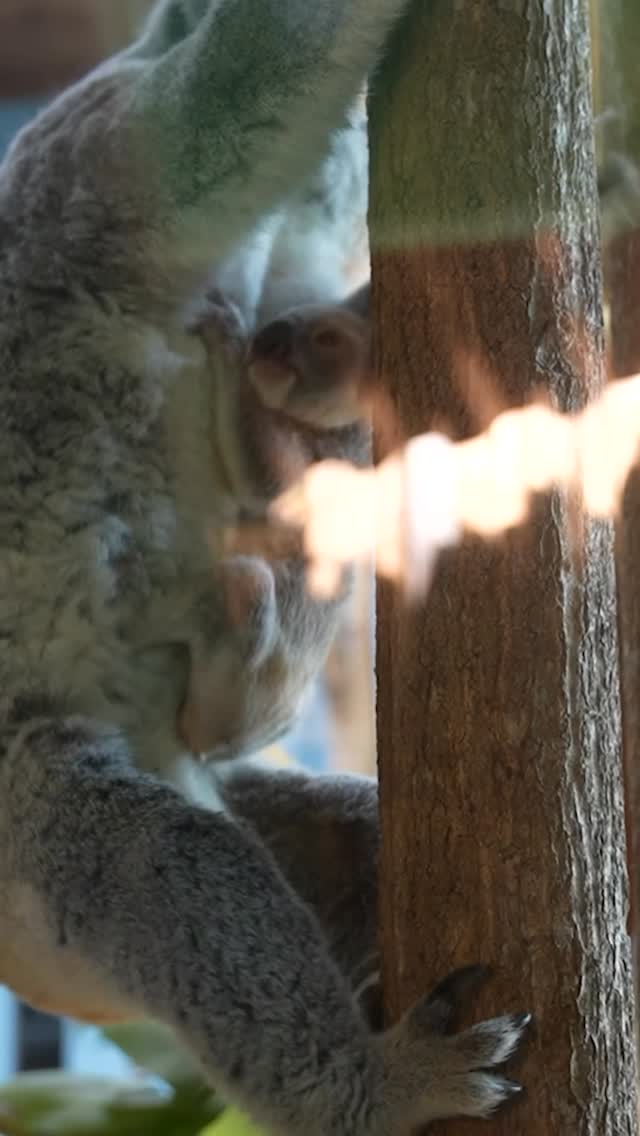
- The significance of Happy Wild Koala Day in conservation efforts.
- The impact of recent Australian wildfires on koala populations.
- How technology aids in tracking and monitoring koalas.
- Ways individuals can participate in wildlife conservation initiatives.
- The role of zoos in educating the public about koalas and wildlife preservation.
Happy Wild Koala Day is more than just a celebration; it’s a call to action for wildlife conservation. This observance brings awareness to the plight of koalas and emphasizes the need for collective efforts to protect these iconic Australian marsupials. Koalas are facing numerous challenges, particularly due to factors like habitat loss, climate change, and diseases. The acknowledgment of Happy Wild Koala Day serves as a reminder that every effort counts in conserving this beloved species.
The Australian wildfires in 2019 had a catastrophic effect on koala populations. Thousands of koalas lost their lives, and many more were left without habitat. The destruction of eucalyptus trees, the primary food source for koalas, has led to significant declines in their numbers. Organizations, agencies, and volunteers began urgent efforts to assess the aftermath and enhance recovery initiatives. The persistent decline in habitat and populations makes it imperative to enroll in conservation strategies actively.
One of the critical elements in monitoring koala populations post-wildfire is the use of technology. Organizations are employing game cameras across affected regions to gather data on wildlife recovery. These cameras can provide a wealth of information on not only koala populations but also the broader ecosystem affected by the fires. They capture insights into the movement patterns, behaviors, and interactions of wildlife. However, analyzing the voluminous data created by these cameras can be challenging. This is where community involvement becomes instrumental.
Individuals can make a tangible contribution to wildlife monitoring by participating in citizen science projects. By accessing online portals associated with koala conservation organizations, volunteers can sift through frames and videos captured by game cameras. They can identify and record sightings of koalas and other wildlife. These efforts aid researchers in understanding the health and recovery of ecosystems and koala populations following environmental disturbances.
Zoos play an integral role in conservation and education regarding koalas. Facilities housing koalas serve dual purposes: rehabilitation and public awareness. Many zoos are involved in breeding programs aimed at increasing genetic diversity and bolstering existing populations in the wild. While this is essential, it is equally crucial for zoos to engage the public in understanding the threats koalas face and the steps that can be taken to support conservation efforts.
Engaging the public through educational programs related to Happy Wild Koala Day amplifies awareness. Informative sessions can include live demonstrations, talks from wildlife experts, and interactive exhibits that highlight the habitat needs of koalas. By showcasing the importance of preserving their natural environment, zoos can motivate individuals to adopt sustainable practices in their daily lives that can ultimately benefit koalas.
Sustainable practices can take various forms: supporting responsible tourism, advocating for habitat protection, and engaging in local tree-planting initiatives. Eucalyptus trees are vital to koalas; planting them in suitable areas can help restore their habitat. Every small action contributes to the larger goal of koala conservation. Public participation also sends a clear message to policymakers about the necessity of comprehensive wildlife protection laws.
As we observe Happy Wild Koala Day, it’s crucial to remember that koalas are not just an Australian icon; they are an indicator species. Their health reflects the broader health of the ecosystem. As koalas navigate the challenges posed by habitat loss and climate shifts, their response to these pressures offers vital insights for conservationists and researchers alike. Understanding these interactions helps to refine conservation tactics and bolster resilience in ecosystems across Australia.
In considering the future of koalas and their habitats, one of the key challenges lies in climate change. As temperatures rise and weather patterns shift, the availability of food resources for koalas becomes uncertain. Eucalyptus trees, while hardy, require specific conditions to thrive. Alterations in rainfall patterns and temperature extremes can jeopardize their growth and, subsequently, the survival of koalas.
Active conservation strategies can help address these shifts. The establishment of wildlife corridors, which are protected passages that connect fragmented habitats, can significantly enhance the movement of koalas and other wildlife. This interconnectedness is essential for genetic diversity, which fortifies populations against disease and other pressures.
Another significant concern is the spread of disease among koalas, particularly chlamydia, which can severely affect reproductive health. Research into vaccine development and improved health protocols for both captive and wild populations is ongoing. These initiatives aim to mitigate disease impact and promote sustainable population growth.
A comprehensive approach that incorporates technology, public engagement, habitat restoration, and health management will be essential in creating a more sustainable future for koalas. As individuals, everyone can take actionable steps to contribute to these efforts, emphasizing that wildlife conservation is a shared responsibility.
Exploring resources available through zoos and conservation organizations can also enhance understanding of practical involvement. Whether volunteering for local wildlife programs or participating in fundraisers for koala rescue initiatives, every contribution counts. Connecting with like-minded individuals fosters a community dedicated to conservation.
In summary, Happy Wild Koala Day presents an important opportunity to reflect on the challenges facing koalas and the actions necessary to support them. Recognizing the impact of the Australian wildfires and the role of technology and individual contributions highlights the need for ongoing commitment to conservation. The role of zoos extends beyond mere exhibits; they serve as centers of education and action, fostering public engagement in wildlife preservation.
With continuous awareness and community involvement, not only will we shed light on the plight of koalas, but we can also drive change for a future where these iconic creatures can thrive in their natural habitats. By taking collective action, we can address the issues faced by koalas today and ensure that future generations will have the opportunity to admire Ellin and her joey in the wild.
*****
Source Description
Happy Wild Koala Day!
When you’re admiring Ellin and her joey at the Zoo, do you ever wonder what you could do to help save koalas in the wild? Well, we’ve got some homework for you. Koala populations are still recovering from the Australian wildfires in 2019. Since then, organizations have been establishing game cameras to track their recovery and they could use extra sets of eyes. Scan through frames and videos to spot wildlife by visiting the link to the portal in our bio.
