
- New Caledonian Giant Geckos: Anatomy and Physiology
- The Function of Lamellae in Climbing Abilities
- Habitat and Behavior of New Caledonian Giant Geckos
- Conservation Status and Threats to Their Survival
- Global Significance and Cultural Impact of New Caledonian Giant Geckos
New Caledonian giant geckos (Correlophus ciliatus) are fascinating lizards native to the lush forests of New Caledonia, an archipelago situated in the southwest Pacific Ocean. These reptiles have become notable not only for their striking appearance but also for their incredible climbing abilities. At the heart of these climbing skills are specialized pads on their feet known as lamellae, which enhance their ability to ascend various surfaces. Understanding these characteristics provides valuable insights into the biology and ecology of these captivating creatures.
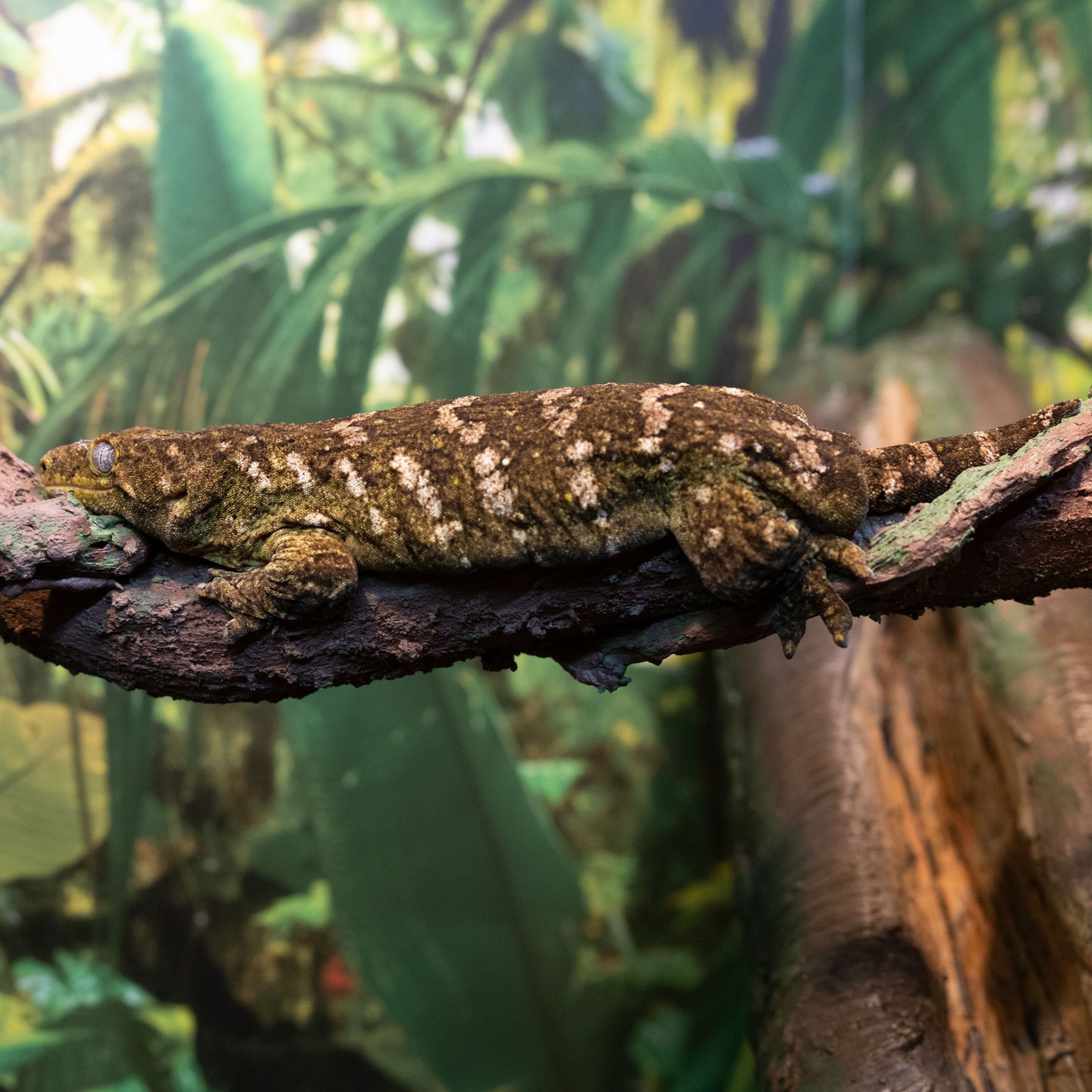
The anatomy of New Caledonian giant geckos is particularly intricate. These lizards can grow up to a foot in length, showcasing a robust body covered in unique patterns of colors including greens, browns, and yellows. Their distinct skin texture plays a key role, allowing them to blend seamlessly into their surroundings, an essential characteristic for avoiding predators.
Central to their climbing prowess are the lamellae on their toes, composed of a series of tiny hairs called setae. These structures create van der Waals forces—weak adhesive forces that arise when molecules are in close proximity. With thousands of these hair-like extensions, the gecko’s toe pads can generate significant friction, enabling them to scale not just trees and rocks but also smooth surfaces like glass. This foot structure illustrates a remarkable example of biological evolution, allowing them to access food and escape threats effectively.
When observing the behavior of New Caledonian giant geckos, one quickly discovers their largely nocturnal lifestyle. They are primarily active at night, utilizing their excellent vision to hunt for insects and small invertebrates. Their diet, primarily consisting of crickets, moths, and other small prey, highlights their agility and adaptability. These lizards have been observed engaging in social behaviors as well, particularly during mating seasons, where males display their physical prowess and coloration to attract females.
The habitat of New Caledonian giant geckos is equally intriguing. They thrive in humid forests with abundant trees and shrubs that offer both concealment and hunting grounds. This unique ecosystem provides them with the necessary elements for survival, from food sources to suitable nesting sites. However, their reliance on specific habitats makes them vulnerable to environmental changes, such as deforestation and habitat fragmentation due to human activity.
Conservation status plays a critical role in the narrative of New Caledonian giant geckos. Currently classified as vulnerable by the International Union for Conservation of Nature (IUCN), their populations are facing decline primarily due to habitat loss and invasive species. Predators introduced to the islands, such as rats and cats, pose significant threats to their survival. Conservationists are actively working to create awareness and implement strategies to protect these geckos and their habitats.
In addition to their ecological significance, New Caledonian giant geckos hold a place in global culture and folklore. The striking appearance of these geckos has inspired myths and stories, often associating them with dragons and other legendary creatures. Museums and educational exhibits worldwide, including special displays centered on dragon myths, showcase these lizards alongside other species that spark the imagination and curiosity of visitors.
Understanding the role of New Caledonian giant geckos in both ecosystems and culture reveals the intricate connections between wildlife and human perceptions. By studying these unique reptiles, researchers gain insights into evolutionary biology, ecological interaction, and the importance of conservation.
The further exploration of climbing adaptations within the animal kingdom can also shed light on potential applications in technology and materials science. Researchers are studying the mechanics of gecko adhesion to develop innovative adhesives, robotic climbing systems, and even advanced materials that mimic these natural structures. The combination of biological inspiration and cutting-edge research demonstrates a symbiotic relationship between nature and technology.
Efforts to ensure the survival of New Caledonian giant geckos must focus on habitat preservation, control of invasive species, and public education. Educational programs that highlight the ecological importance of these creatures and the threats they face can foster a sense of stewardship among local communities and the broader public. Community involvement in conservation initiatives is vital for creating sustainable solutions and fostering a more profound respect for biodiversity.
The conservation challenges facing New Caledonian giant geckos are not unique; they reflect a larger narrative about global biodiversity loss. Protecting their habitats and ensuring the health of their ecosystems contribute to the preservation of countless other species sharing their environment. Collaborative conservation approaches that involve local governments, researchers, and community stakeholders can create impactful strategies for long-term ecological stability.
Overall, New Caledonian giant geckos are more than just captivating reptiles. Their physiological traits, particularly the lamellae that allow them to climb with incredible agility, offer crucial insights into the wonders of evolution. They also serve as vital indicators of environmental health in their native habitats.
The interplay between these geckos, their declining populations, and conservation efforts is a potent reminder of the larger context in which all species exist. Species like the New Caledonian giant gecko embody the intricate balance of natural ecosystems and the responsibilities we share in their preservation. Through studying them, we not only appreciate the complexity of life on Earth but also recognize our role in safeguarding it.
*****
Source Description
New Caledonian giant geckos have pads on their feet called lamellae that make them extremely adept climbers! Comprised of tiny hairs, these adhesive pads provide additional friction on smooth surfaces — they can even climb glass! Find them and many more creatures who’ve inspired dragon myths around the world in our limited-time Dragons exhibit.
