
- The origin and domestication of llamas
- An overview of llama biology and behavior
- The roles of llamas in human culture, particularly in celebrations
- The significance of wildlife conservation efforts for llamas
- Fun and creative ways to celebrate birthdays with llamas
The intriguing subject of llamas spans a diverse spectrum of interests, from their historical significance in South America to their current roles in human celebrations. Originating from the Andes mountains, llamas were domesticated by indigenous peoples thousands of years ago. Known for their remarkable adaptability, these animals have continued to thrive due to their utility in agriculture and transportation. This section examines the process of llama domestication and their integration into daily life.
Llamas are part of the camelid family, which also includes alpacas, guanacos, and vicuñas. Understanding their biology provides insight into their unique adaptations. Adult llamas typically weigh between 280 to 450 pounds and stand about 5.5 to 6 feet tall at the head. Their thick wool has insulating properties, making them suitable for various climates. Behaviorally, llamas are social animals, often living in herds. They communicate through a variety of vocalizations, body postures, and even subtle facial expressions.
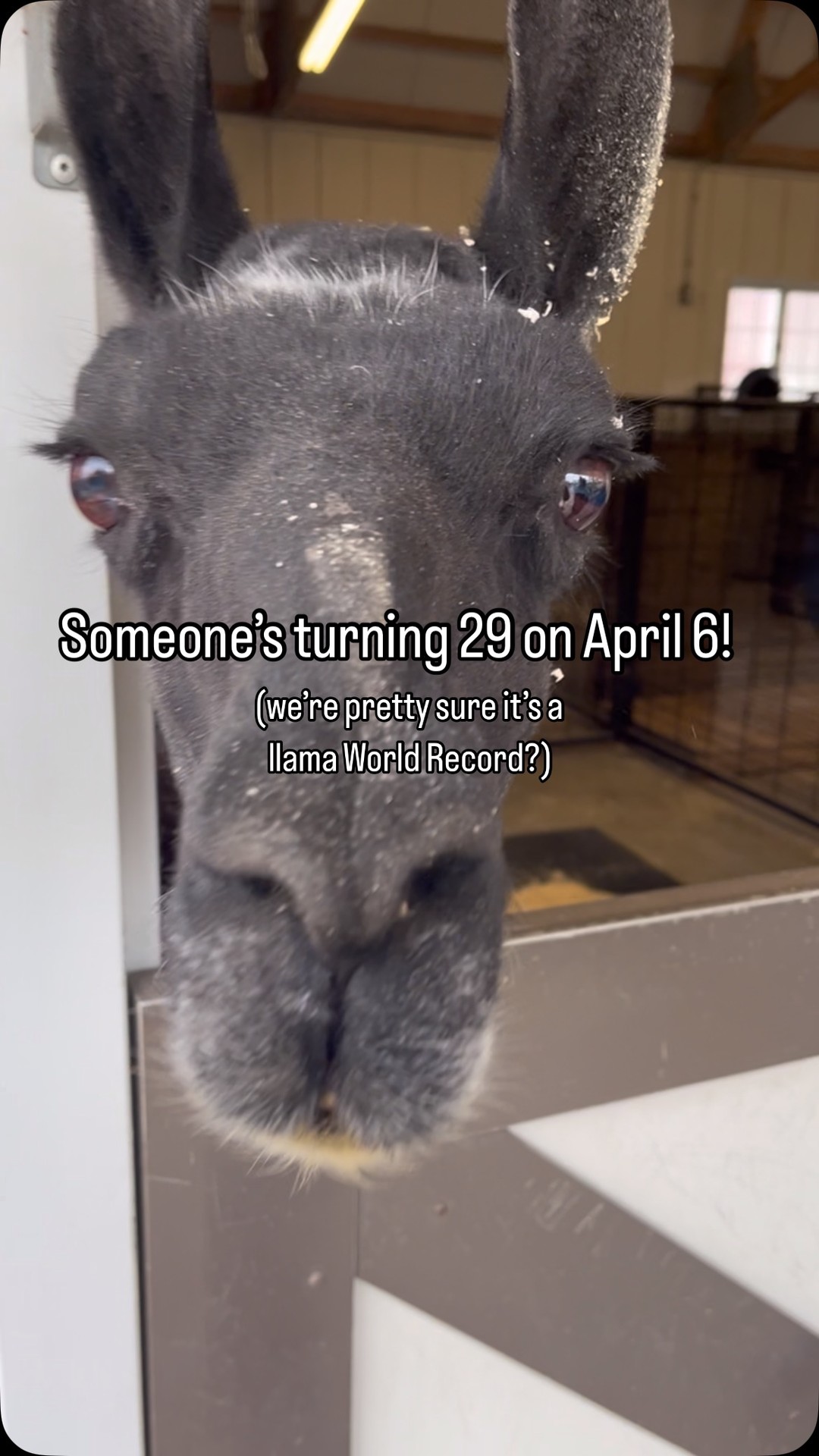
Llamas play a significant role in human culture, especially in festivities. The phrase “Tell your mama – we’ve got a birthday llama!” highlights this connection between llamas and celebrations. This concept taps into a growing trend of incorporating animals into events for their joy and entertainment. Birthday parties featuring llamas can enhance the fun and excitement for guests of all ages. The experience of interacting with a llama can create lasting memories, fostering a deeper appreciation for these remarkable creatures.
Wildlife conservation efforts also play a critical role in the future of llamas. While domesticated llamas are widespread, their wild ancestors, the guanaco, are facing threats from habitat loss and hunting. Conservation programs aim to protect these wild populations, focusing on habitat restoration and sustainable practices. Educating the public about the vulnerabilities of guanacos is crucial for their preservation. As people become more aware of the challenges facing these animals, the hope is for more conservation initiatives to be launched.
When thinking of integrating llamas into celebrations like a birthday, there are numerous creative ways to incorporate them into the festivities. From llama-themed decorations and cakes to entertaining activities that involve the animals, the possibilities are vast. Both kids and adults can engage in petting sessions, and guided walks can make for an unforgettable experience. Safety measures should, however, be a priority during events featuring llamas. Since they are sensitive animals, it’s crucial to ensure that they are comfortable and cared for throughout the day.
Llamas do not just add charm to events; they also introduce educational opportunities. Hosting parties with llamas can include informative sessions where guests learn about their biology, habitat, and conservation needs. Such initiatives highlight the importance of wildlife in our ecosystem and encourage a sense of responsibility in protecting endangered species.
Incorporating llamas into birthday celebrations is not a fleeting trend; it reflects a growing understanding of the value these animals bring. Their gentle demeanor and social nature can create a relaxed and inviting atmosphere. In an age where experiences are often valued over material gifts, events featuring animals like llamas can resonate deeply with participants.
Moreover, the broader impact of such events often leads to increased interest in conservation and animal welfare. Feeling a connection with llamas can spark curiosity about their habitats and the environmental challenges they face. Encouraging guests to become advocates for animal welfare fosters a sense of social responsibility.
Ultimately, the legacy of llamas is tied to their cultural significance and biological uniqueness. From being revered by ancient civilizations to their modern roles in celebrations, llamas embody a rich tapestry of history and purpose. By learning about these fascinating creatures, we not only gain insight into their lives but also enrich our understanding of biodiversity and the need for conservation.
The journey of a llama begins with its domestication and expansion throughout the Andes. The Incas, for instance, used llamas not just for transportation but also as sources of food and wool. This symbiotic relationship laid the foundation for the deep-rooted cultural significance llamas hold today. As the animals moved beyond their native regions, their positive traits made them favored companions and working animals.
Biologically, llamas are equipped to handle various environments, a fact that speaks to their resilience. With their digestive systems, specialized for breaking down tough plant materials, they can thrive on a diet primarily consisting of grasses and shrubs. Their thick wool not only protects them from harsh weather but also provides insulation against temperature changes, showcasing their adaptability.
Socially, llamas function well in groups, which is essential for maintaining their mental health. In the wild, they work together to spot danger and care for the young. By understanding their social structures, we can provide better care in domesticated settings. They often form strong bonds with both humans and other animals, contributing to their popularity at events.
As conservation becomes increasingly important, the plight of guanacos stands out. These wild relatives of llamas are often overlooked in favor of their domesticated counterparts. However, education about guanacos’ habitat and the challenges they face is vital for conservation measures. Groups committed to preserving these animals focus on habitat protection, anti-poaching initiatives, and community education programs. Through these efforts, we can foster a greater awareness of the need for wildlife conservation.
Incorporating llamas into birthday parties provides a tangible way to connect people with wildlife. The approach can also serve educational purposes, with workshops or sessions designed to teach attendees about humane animal handling, responsible ownership, and ecological stewardship. This connection to animals has the potential to inspire a new generation of conservationists.
Activities during a llama-themed party can range from llama painting, where guests create masterpieces using safe, non-toxic paints, to guided interactions that teach guests about llama care. Such experiences not only delight attendees but also lay the groundwork for more extensive learning about animal welfare.
Embedding educational content within celebratory events demonstrates a commitment to promoting an appreciation for wildlife. Every interaction with a llama can lead to a deeper understanding of their role in the ecosystem and the importance of protecting their environments.
The excitement around “Tell your mama – we’ve got a birthday llama!” reflects a growing trend in party planning where animal experiences take center stage. Such trends have the potential to reshape the way we view celebrations, making them more immersive and educational. Hosting events with llamas brings awareness to not only the animals themselves but also the wider ecosystems they inhabit.
The overarching narrative of llamas in human culture emphasizes their historical significance and need for conservation. Engaging with llamas in joyful settings reinforces their value. As organizations strive for better conservation practices, integrating community engagement fosters a collective sense of responsibility towards wildlife.
Llamas, as charismatic creatures, capture our hearts and imagination. By exploring their biology, behaviors, and cultural significance, we open new avenues for education and conservation. This awareness can inspire individuals to become more engaged advocates for wildlife. Celebrating birthdays with llamas is merely one aspect of a broader movement that cherishes the interconnectedness of all life on Earth.
As society increasingly recognizes the intrinsic value of wildlife, events featuring llamas can serve as powerful educational tools. Their gentle presence aids in bridging the gap between people and the natural world, inviting compassion and curiosity. By embracing the call to action for wildlife conservation, we can transform mere celebration into a mission of stewardship, which ultimately benefits both humans and animals alike.
*****
Source Description
Tell your mama – we’ve got a birthday llama! 🦙🥳🎂
