
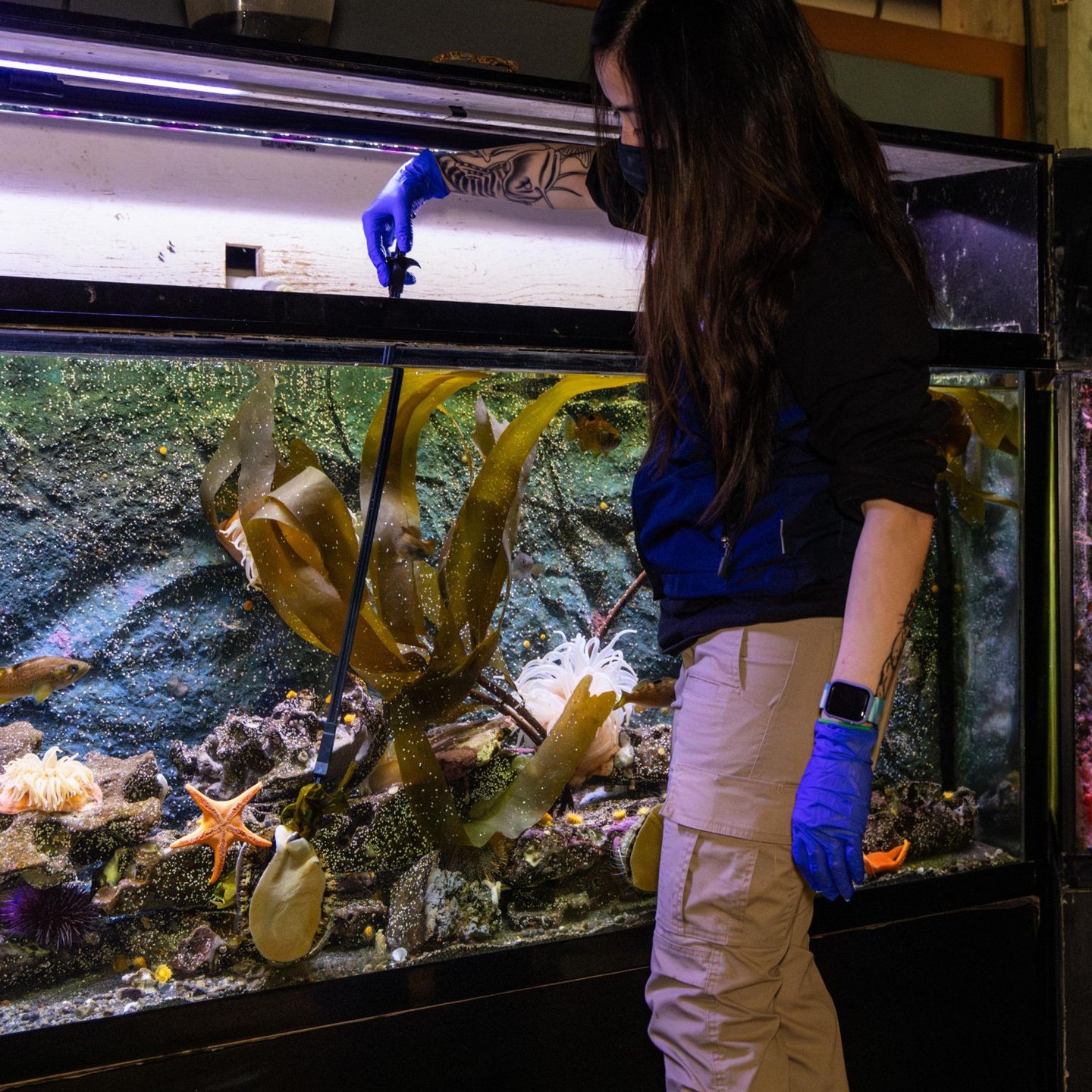
- Happy Every Day: The Importance of Daily Animal Care at Aquariums
- Veterinary Expertise and Medical Care for Aquatic Animals
- The Significance of a Healthy Habitat and Enrichment
- Water Quality: The Lifeline for Marine Life
- Acknowledging the Role of Animal Care Staff and Conservation Efforts
Happy Every Day: The Importance of Daily Animal Care at Aquariums
Aquariums engage in comprehensive animal care every single day. Every aquatic being, from the smallest invertebrate to the largest harbor seal, requires specialized attention. This commitment goes beyond simple feeding and cleaning; it involves understanding each species’ distinct needs and behaviors. Skilled animal care staff work tirelessly behind the scenes to foster health, vitality, and happiness among these inhabitants. The daily routines are carefully designed to address both physical health and mental well-being.
Veterinary Expertise and Medical Care for Aquatic Animals
At an aquarium, medical care is a cornerstone of animal welfare. A dedicated team of veterinary professionals evaluates and treats various species, ensuring their health and longevity. Routine health checks include vaccinations, dental care, and preventative treatments. The veterinary staff also coordinates with animal care specialists to create health plans tailored to each species.
The medical needs of aquatic animals differ significantly from those of terrestrial animals. For example, some fish species are susceptible to diseases such as ichthyophthirius (commonly known as “ich”), which necessitates immediate attention. Regular monitoring and early intervention can often mean the difference between life and death. Equipment, such as ultrasound machines and anesthetic devices, specifically designed for aquatic animals, supports the veterinary team’s work.
Staff members continually participate in professional development to keep pace with advancements in veterinary medicine relative to aquatic species. They also conduct research aimed at understanding the latest medical treatments and procedures. The collaborative environment fosters a culture of excellence and ensures the highest standard of care for the animals.
The Significance of a Healthy Habitat and Enrichment
Creating a suitable habitat is just as essential as medical care. The environment must mimic the animal’s natural habitat to support their physical and social needs. For instance, a coral reef tank may host vibrant corals, providing shelter for various fish species. Conversely, harbor seals require diverse substrates and resting areas to replicate their coastal environments.
Enrichment is equally crucial in promoting mental stimulation. Without cognitive challenges, animals can exhibit signs of stress or abnormal behavior. Staff members regularly implement enrichment protocols, introducing new objects, scents, or sounds into the habitat. These activities encourage natural behaviors like foraging, hunting, or exploring.
In addition to environmental enrichment, social dynamics play a significant role in many species’ well-being. Schooling fish benefit from being kept in groups, while solitary species require ample space to thrive. By observing social interactions, animal care staff can identify any potential conflicts or issues, allowing them to intervene promptly when necessary.
Water Quality: The Lifeline for Marine Life
Water quality is the backbone of marine animal health. Aquatic species depend on clean, stable environments for survival. Therefore, monitoring parameters such as temperature, salinity, pH, and dissolved oxygen levels is imperative. Staff members conduct tests regularly to track these metrics and make adjustments as needed.
Filtration systems, pumps, and water conditioning methods are crucial tools in managing water quality. These systems must function effectively and be routinely serviced to prevent catastrophic failures. Regular water exchange and chemical treatments may be applied to maintain optimal living conditions.
Poor water quality can lead to various health issues, including respiratory diseases or skin lesions in fish. Continuous monitoring takes precedence, as even minor fluctuations can adversely affect sensitive species. Dedicated teams work in shifts to ensure round-the-clock oversight of these vital parameters, acting swiftly to rectify any identified problems.
Acknowledging the Role of Animal Care Staff and Conservation Efforts
Behind every thriving aquarium is a team of committed animal care staff dedicated to preserving marine species. These professionals embody the spirit of animal care daily, going beyond their job descriptions to foster well-being and understanding. Their roles span animal husbandry, veterinary assistance, habitat maintenance, and educational outreach.
Moreover, many aquariums actively participate in conservation initiatives both locally and globally. They often engage in breeding programs for endangered species and contribute to research projects aimed at understanding marine ecosystems. These efforts extend the aquarium’s influence beyond its doors, raising awareness of conservation issues and inspiring visitors to take action.
Public engagement is integral to their conservation work. Staff members share knowledge and insights through educational programs, ensuring visitors leave with a deeper understanding of marine life and the challenges they face. Through these outreach initiatives, aquariums act as ambassadors for aquatic conservation, encouraging community involvement and stewardship for the environment.
Happy Every Day reflects the unwavering dedication of animal care staff and the importance of comprehensive care in aquariums. Their commitment transcends daily animal care routines, weaving a rich tapestry of medical expertise, habitat management, and conservation initiatives. Recognizing their efforts provides insight into a broader mission: preserving our oceans and the diverse life that inhabits them. Celebrating National Zookeeper Week acknowledges the invaluable contributions of these caretakers and illuminates the critical role they play in promoting animal welfare and environmental conservation.
*****
Source Description
Happy Every day, our animal care staff provide exceptional care to all animals here at the Aquarium—from the tiniest invertebrates to our most rotund harbor seals! 🪸🦭
When it comes to animal care, there’s more that goes into it than meets the eye. Every animal at the Aquarium receives medical care from our expert full-time veterinary team. They also need a healthy, enriching habitat that meets their environmental, nutritional, evolutionary and social needs. And of course, at an Aquarium, water quality is critical to marine animals’ health, which is why it’s monitored night and day by our dedicated team. Happy National Zookeeper week—and thank you to the caretakers! 🪼🦦🐟
