
- The importance of oceans to the Earth’s ecosystem
- Threats facing marine environments
- The role of education in ocean conservation
- Sustainable practices for protecting our oceans
- Partnerships and initiatives in marine conservation
The oceans play a crucial role in maintaining the planet’s ecosystems. Covering over 70% of the Earth’s surface, they not only provide habitats for countless life forms but also offer vital resources for human existence. The diverse habitats found within marine environments—such as coral reefs, kelp forests, and open oceans—are essential for maintaining biodiversity. These habitats support over 230,000 known marine species, from the tiniest plankton to the largest whales. Moreover, they contribute to regulating the global climate, producing oxygen, and providing food and livelihoods for millions of people.
However, the oceans are not without challenges. Human activities have placed tremendous stress on marine ecosystems. Overfishing threatens fish stocks globally, leading to imbalances in the marine food web. Pollution from plastic waste enters the oceans at alarming rates, harming wildlife and degrading marine habitats. Additionally, climate change is altering ocean temperatures and chemistry, resulting in coral bleaching and the loss of biodiversity. Understanding these threats is vital for developing effective strategies for conservation.
Education serves as a powerful tool for marine conservation. Initiatives aimed at increasing public awareness about the importance of oceans can empower individuals to make informed choices. Educational programs in schools, community outreach, and partnerships with aquariums and conservation organizations play a crucial role in informing the public. By fostering a connection to marine environments, people become more inclined to support conservation efforts. Schools that incorporate ocean studies into their curricula help cultivate a generation that values marine ecosystems.
In everyday life, individuals can adopt sustainable practices to protect our oceans. Reducing single-use plastics is a significant step; these materials contribute heavily to ocean pollution. By opting for reusable bags, containers, and water bottles, individuals can reduce their plastic footprint. Choosing sustainable seafood supports fish populations and helps maintain ecosystem balance. Certifications, such as that from the Marine Stewardship Council, can guide consumers in selecting seafood that has been responsibly harvested.
Partnerships and initiatives geared towards ocean conservation are pivotal. Organizations such as the Ocean Conservancy, Greenpeace, and local marine conservation groups work in tandem with governmental bodies to create policies conducive to ecosystem health. Collaborative efforts often lead to successful initiatives such as marine protected areas (MPAs), which are designated regions of the ocean where human activity is restricted to preserve marine life and habitats. These areas not only safeguard biodiversity but also allow fish populations to recover and thrive, benefitting local communities as well.
Support for global ocean conservation expands beyond individual actions and educational initiatives. International cooperation is vital to overcome challenges that transcend national borders. Efforts such as the United Nations’ Sustainable Development Goal 14 aim to protect and sustainably use marine resources in all parts of the world. Such goals encourage countries to share knowledge, resources, and technologies to foster global marine health.
Understanding the importance of ocean health also includes acknowledging the impact of climate change. Rising ocean temperatures affect species distributions, leading to shifts in predator-prey relationships. Additionally, acidification, caused by increased carbon dioxide absorption, poses a significant threat to organisms with calcium carbonate shells or skeletons, such as mollusks and corals. Ongoing research is essential for predicting how these changes will affect marine ecosystems and for developing adaptive management strategies.
Efforts toward conservation must also include habitat restoration. Restoration projects focus on rehabilitating damaged ecosystems to their natural state. Mangrove forests, for instance, are crucial for coastal protection, carbon sequestration, and providing habitats for various marine species. Initiatives aimed at planting coral reefs have shown promise in counteracting some of the effects of coral bleaching. Engaging local communities in restoration efforts ensures that these projects are not only scientifically informed but also socially relevant.
Innovations in technology can also contribute to ocean conservation. Techniques such as satellite monitoring and drone technology enable scientists to gather data on marine habitats more efficiently. This data is essential for making informed management decisions. For instance, remote sensing can be used to monitor water quality and detect harmful algal blooms before they can impact marine life.
The responsibility for ocean conservation lies with everyone. While individual actions contribute to larger goals, systemic change is needed to address the root causes of ocean degradation. Overall, policies that advocate for sustainable development, pollution control, and responsible fishing practices are essential for the long-term health of our oceans.
As we celebrate World Ocean Day, it is crucial to recognize our interconnectedness with marine environments. The choices we make daily can have profound impacts on ocean health. This awareness not only cultivates a sense of responsibility but also reinforces the urgent need for collective action in preserving our blue planet.
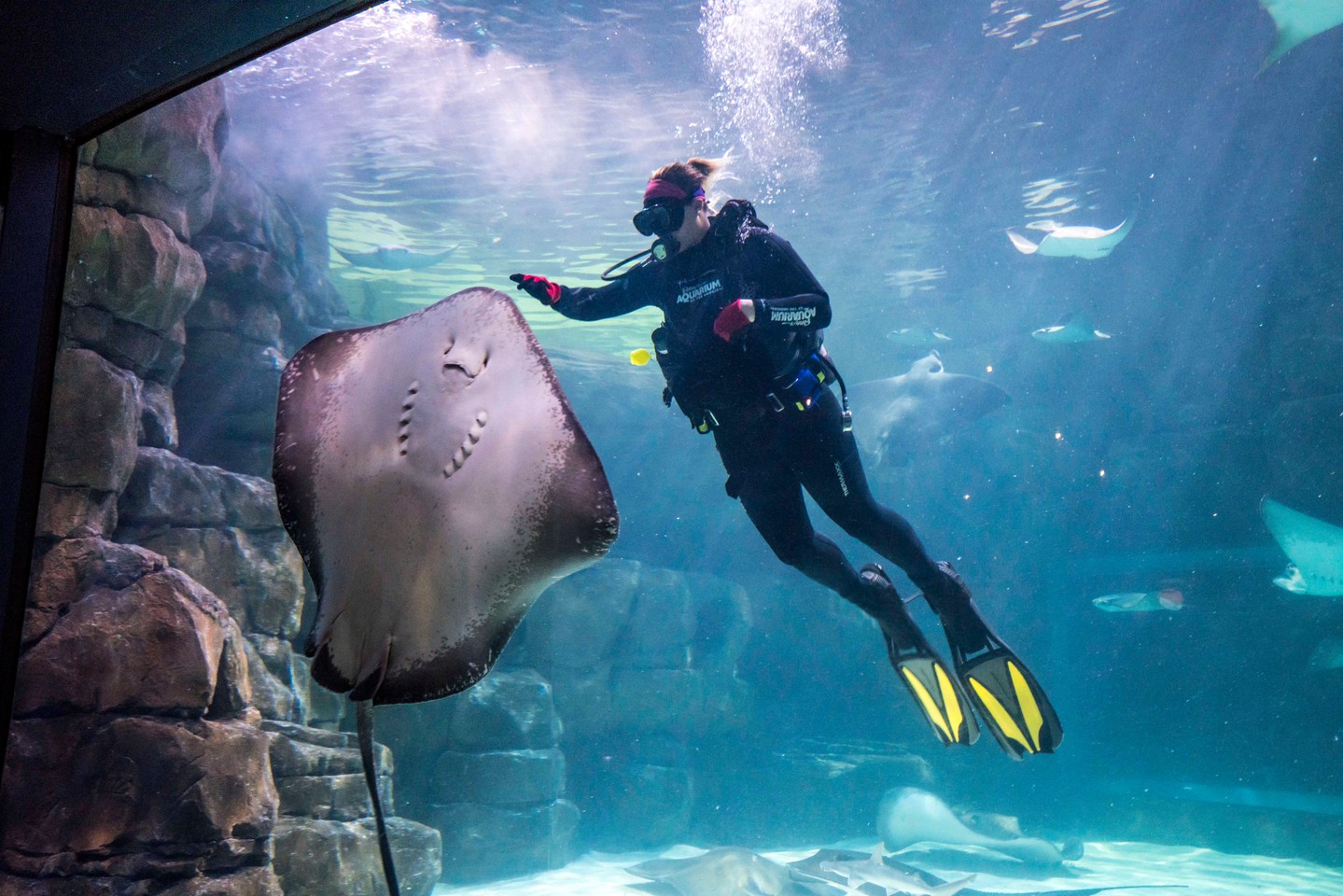
Engagement with local community efforts can provide tangible ways to contribute to marine conservation. Volunteer opportunities often arise in beach clean-ups, species monitoring, or wildlife rehabilitation. By participating in these initiatives, individuals can enhance their knowledge and inspire others to follow suit. Local aquariums, like Ripley’s Aquariums, often host events and educational programs aimed at fostering community involvement in ocean preservation.
Social media campaigns also play a pivotal role in promoting awareness. Platforms like Instagram and Twitter have become essential tools for sharing information about marine conservation. Engaging visuals and impactful messaging can motivate individuals to take action and further spread awareness. Educators and activists alike harness the power of social media to reach broader audiences.
Finding your voice in this global movement can lead to impactful change. Whether it’s advocating for policy reforms, supporting marine conservation organizations, or simply educating oneself and those around you, every contribution counts. As stewards of the planet, it is incumbent upon us to protect our oceans and the myriad life forms they support.
World Ocean Day is not only a celebration but also a call to action. As we reflect on the beauty and importance of our oceans, let us also consider the daunting challenges they face. Engaging in sustainable practices and supporting organizations committed to conservation can help safeguard marine ecosystems for future generations. Together, we can maintain the health and vibrancy of our oceans today and for those yet to come. By prioritizing education, sustainable practices, and global collaboration, we lay the groundwork for a more vibrant and resilient marine environment.
*****
Source Description
🌊 It’s World Ocean Day! 💙
Today, we’re celebrating the heartbeat of our blue planet—the ocean. Covering over 70% of Earth’s surface, our oceans are home to millions of species, from sea turtles and jellyfish to sharks and coral reefs.
At Ripley’s Aquariums, we’re proud to support ocean conservation through education, research, and partnerships that protect marine ecosystems around the globe.
Every choice we make can help protect the sea, whether it’s reducing single-use plastics, choosing sustainable seafood, or supporting conservation organizations.
Let’s work together to keep our oceans healthy, vibrant, and full of life today and for generations to come.
