
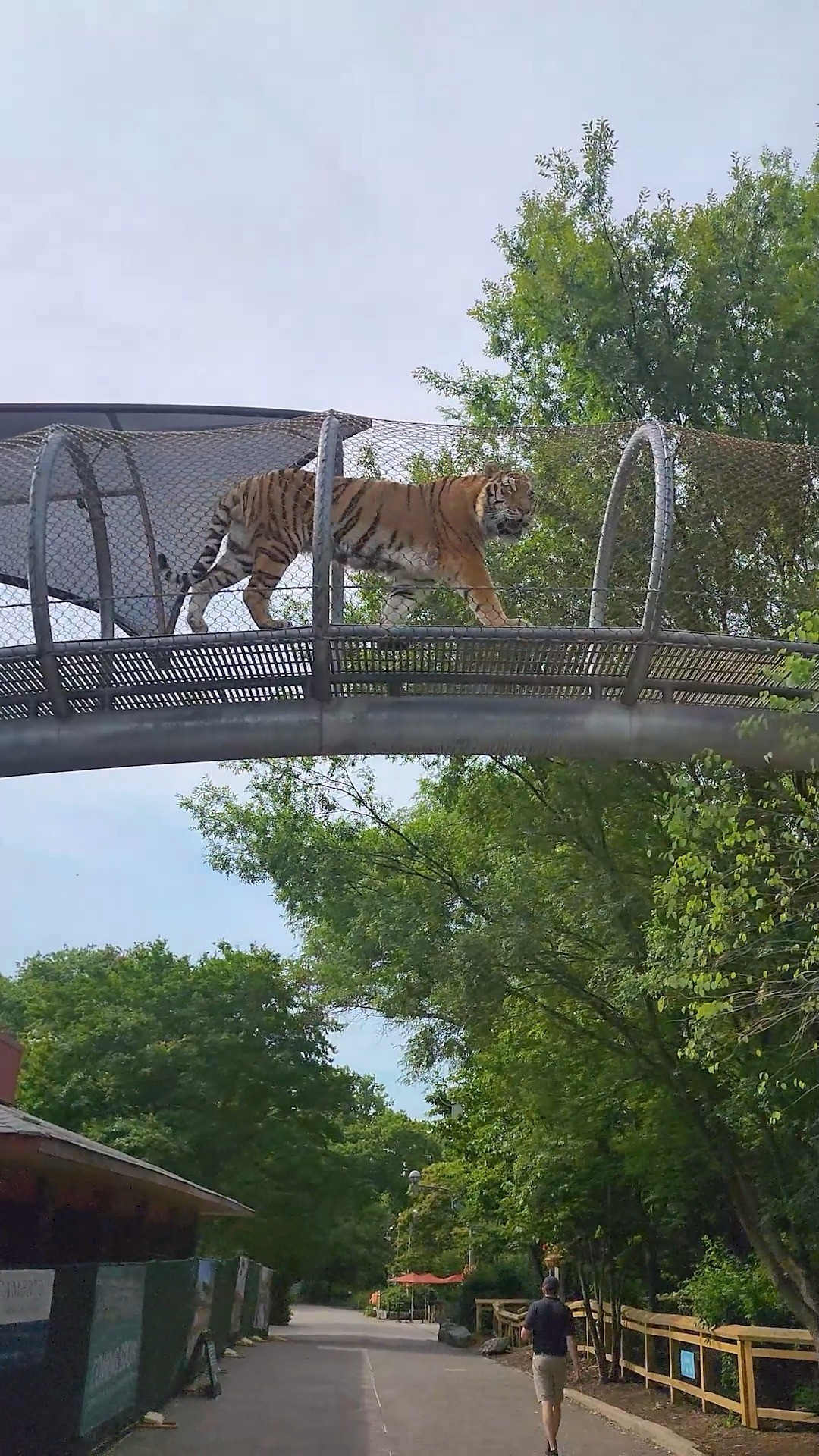
- The importance of Amur tigers in their natural habitat and conservation status
- Zoo360 Trails: Purpose and design in enhancing animal welfare
- Behavioral observations during a tiger stroll and their implications for zoo management
- The role of educational programs in zoos for promoting wildlife conservation
- The significance of public engagement in the conversation about endangered species
The Amur tiger (Panthera tigris altaica), also known as the Siberian tiger, is a subspecies critically important to the ecosystems of eastern Russia and northeastern China. With fewer than 500 individuals still existing in the wild, Amur tigers face challenges ranging from habitat loss and poaching to depletion of prey species. Conservation programs are vital for maintaining their population and habitat, highlighting the urgency of global wildlife protection initiatives. Each tiger plays a role as an apex predator, which helps regulate prey populations and supports biodiversity. The stroll of an Amur tiger in the Zoo360 trails allows visitors to observe these majestic creatures in a semi-naturalistic setting, fostering a deeper appreciation for their role in the ecosystem.
Zoo360 Trails represents a modern approach in zoo design, aimed at enhancing animal welfare through enriched habitats. Traditional enclosures often restrict animals and fail to mimic their natural environments, which can lead to stress and behavioral issues. The Zoo360 concept creates a more dynamic space where animals can exhibit natural behaviors, providing them with various terrains and enrichment opportunities. This design not only benefits the animals but also enhances visitor experience. As guests watch an Amur tiger walking through a thoughtfully designed trail, they gain insight into its natural movements and behaviors, reinforcing the importance of habitat conservation.
Observations of an Amur tiger’s behavior during a stroll on the Zoo360 trails provide invaluable information for zoo management. The movements display various social interactions, including pacing, stretching, and scent-marking, all critical indicators of their physical and psychological well-being. These behaviors reflect the animal’s comfort level within its environment. Careful monitoring allows zookeepers to implement any necessary changes, ensuring that the needs of the individual animals remain a priority. Each stroll offers a unique opportunity for researchers and staff to gather data on how these big cats interact with their environment, which can translate to improved management strategies.
Education plays a crucial role in zoos, fostering a connection between the public and wildlife. Interactive programs raise awareness about the challenges facing the Amur tiger and other endangered species. By viewing a tiger in a setting that mimics its natural habits, visitors can learn about the habitat loss, poaching, and conservation efforts related to this magnificent creature. Educational efforts not only inform the public about the tigers but also inspire action, such as supporting conservation organizations or advocating for policy changes in favor of wildlife.
Public engagement is essential in the broader conversation surrounding endangered species like the Amur tiger. Engaging visitors through informative signage, interactive exhibits, and behind-the-scenes programs creates a community invested in wildlife conservation. These interactions encourage dialogue about the significance of protecting habitats and biodiversity, thereby contributing to a collective awareness that extends beyond the zoo’s gates. When visitors leave, they take with them a deeper understanding of the intricate connections that sustain life on Earth.
The enduring presence of the Amur tiger in contemporary discussion reflects not only a commitment to preserving this iconic species but also serves as a symbol of global conservation efforts. Featuring these tigers within the innovative framework of Zoo360 allows the public to relate to them on multiple levels. The tiger strolls provide a rare glimpse into their lives, helping visitors understand the importance of every footprint they leave behind on the planet.
Additionally, zoo staff are trained to leverage these encounters to heighten awareness about the environmental issues at stake. Specific talks during animal encounters can discuss habitat preservation, the impact of climate change, and the need for sustainable practices. This approach reinforces the idea that protecting wildlife goes hand-in-hand with community action.
The Zoo360 trails serve a dual purpose: they are both an attraction and an educational tool. With conservation-focused signage and guided tours, visitors can learn about the Amur tiger’s unique adaptations, hunting behavior, and social structure. Exhibit specialists design these educational components to resonate with various audiences, ensuring that the information is accessible yet impactful.
Monitoring how an Amur tiger adapts to and interacts with the Zoo360 trails can yield insights into environmental and behavioral science. Observations can reveal how these animals respond to human presence, which is pivotal for enhancing zoo design and improving animal welfare. Such real-time data collection enables proactive modifications in habitats, ensuring that animal needs are always met.
The effect of a tiger stroll can also extend to children and youth who visit. Instilling respect and admiration for wildlife among younger generations is crucial. By fostering a sense of responsibility towards the environment, zoos help nurture future conservationists. Encounters with Amur tigers allow children to form emotional attachments to wildlife, which can translate into lifelong advocacy for protecting their habitats.
In sum, witnessing a tranquil stroll of an Amur tiger in the Zoo360 trails encapsulates much more than a visual experience. It provides insight into the delicate web of life, the intersection of conservation initiatives, and the significant role of public education in fostering awareness. Each tiger’s journey through the trails is not only a reflection of its natural behaviors but also an embodiment of broader conservation narratives.
Ultimately, the combination of immersive zoo experiences like the Zoo360 trails and educational outreach strengthens communal ties and encourages action for preservation. Observing these magnificent creatures promotes understanding of their ecological role and the critical need for habitat conservation. Establishing this connection can motivate individuals to become advocates for wildlife, ensuring that the stories of Amur tigers continue to be told for generations to come.
Through responsible management practices, innovative exhibit designs, and educational transparency, the zoo landscape evolves to meet the pressing needs of these endangered animals. This adaption lays the groundwork for sustainable practices that ripple throughout the community and beyond. Each visitor leaves the experience with an enhanced understanding not only of the Amur tiger but of the essential actions needed to safeguard the future of our planet’s wildlife.
*****
Source Description
Just a tranquil Amur tiger stroll in the Zoo360 trails! 🐯☮️
