
- The critical role of oceans in global ecosystems and human life
- The current state of ocean conservation: challenges and successes
- Practical actions individuals can take towards ocean protection
- The significance of education and research in marine conservation
- The impact of partnerships on global marine preservation efforts
Oceans cover more than 70% of Earth’s surface, acting as a crucial component of our planet’s ecosystem. They regulate climate, provide oxygen, and support an incredible diversity of life forms. The importance of oceans cannot be overstated; they are essential for both ecological stability and human survival. Their health directly affects global weather patterns and fisheries, which many communities depend on for sustenance and economic stability.
Oceans contribute to regulating climate systems through the exchange of heat and carbon dioxide with the atmosphere. They absorb about a quarter of the carbon dioxide emitted by human activities, helping to mitigate climate change. However, as our oceans take on more carbon, they become increasingly acidic, endangering marine ecosystems. Coral reefs, which support around 25% of marine species, are particularly vulnerable to changes in temperature and acidity. The loss of coral reefs has cascading effects on marine life, threatening the biodiversity they support.
Current challenges in ocean conservation are significant. Overfishing, pollution, habitat destruction, and climate change are pressing threats. According to the United Nations, around 90% of global fish stocks are either overfished or fully exploited. This unsustainable fishing practices disrupt food webs and diminish biodiversity. Plastics pollution is another pressing issue; millions of tons of plastic waste end up in oceans each year, harming marine animals through ingestion and entanglement. The Great Pacific Garbage Patch, for example, highlights how human activities have produced vast areas of concentrated plastic debris that affect marine life.
Despite these challenges, there are success stories in ocean conservation that inspire hope. Marine protected areas (MPAs) are increasingly being established worldwide to conserve marine ecosystems. These areas restrict human activity, allowing marine habitats to recover and flourish. Research shows that MPAs can replenish fish populations and enhance biodiversity. In regions like the Caribbean and the Pacific, some MPAs have experienced marked increases in fish abundance and diversity, illustrating the effectiveness of targeted conservation efforts.
Individuals can make impactful changes to support ocean health in their everyday lives. Reducing single-use plastics is one of the simplest actions people can take. Choosing reusable products, glass containers, and cloth bags can significantly cut down on plastic waste that often ends up in oceans. Additionally, selecting sustainable seafood can help alleviate overfishing pressures. Resources like the Seafood Watch guide inform consumers about choosing seafood that is caught or farmed sustainably.
Supporting conservation organizations also plays a vital role in ocean protection. Many non-profits focus on various aspects of marine conservation, from habitat restoration to species protection. Donating, volunteering, or simply raising awareness about their work can contribute to broader conservation efforts.
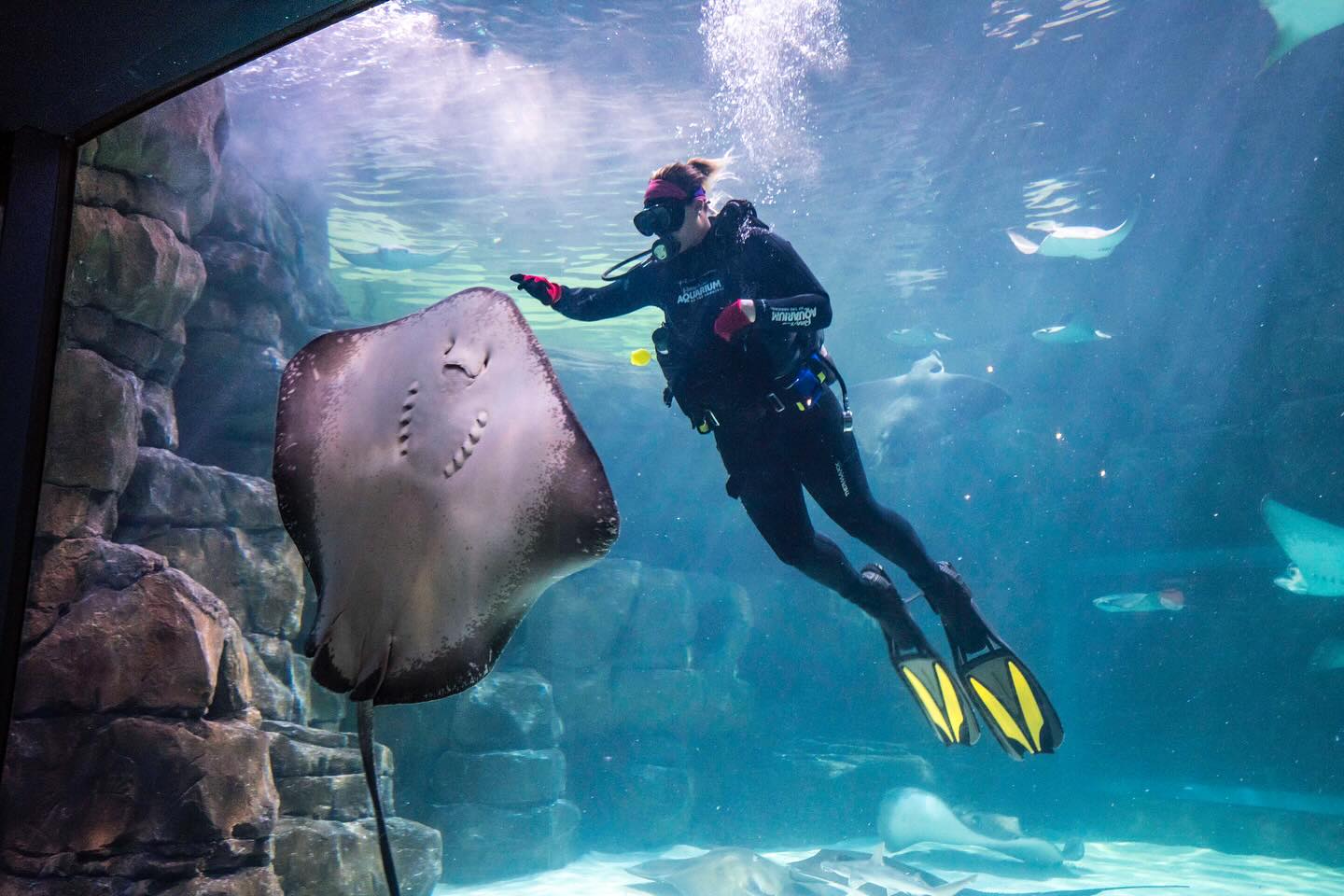
Education is at the core of marine conservation. By fostering awareness about ocean ecosystems and their importance, we empower individuals to take protective actions. Ripley’s Aquariums exemplify this approach by providing educational programs alongside research initiatives. Visitors gain insights into marine habitats and the species that inhabit them, developing a connection to the ocean that can inspire conservation action.
Research plays an equally crucial role in understanding ocean health. Scientists study marine ecosystems to gather data that informs conservation strategies. For instance, studying the impact of climate change on coral reefs can lead to interventions that help these ecosystems adapt and survive. Moreover, innovative technologies such as underwater drones and remote sensing are becoming integral tools for monitoring ocean health, allowing researchers to gather real-time data on temperature, acidification, and biodiversity.
Collaboration enhances the effectiveness of conservation efforts. Partnerships among governments, NGOs, and the private sector can maximize resources and expertise dedicated to marine conservation. Initiatives like the Global Ocean Alliance demonstrate how collective action can lead to significant policy changes aimed at protecting ocean biodiversity. These coalitions bring together stakeholders from various sectors, addressing the multifaceted challenges facing marine environments.
Ocean conservation is vital to sustaining fisheries and supporting livelihoods. Many coastal communities rely on healthy oceans for food security and economic activity. Ecosystem-based management approaches that consider the interconnectedness of different marine resources can lead to sustainable practices balancing human needs with environmental health. Restoring habitats like mangroves, salt marshes, and seagrass beds can help fisheries rebound while offering protection against storm surges.
The ocean is also integral to cultural heritage and recreation. Many communities have deep-rooted connections to their coastal environments, relying on them for cultural practices and recreational activities. Threats such as coastal development and marine debris threaten these vital spaces, making conservation efforts even more crucial. Ecotourism initiatives, which focus on sustainable travel, can foster appreciation for marine ecosystems while providing economic benefits to local communities.
Climate change, driven by human activities, poses an existential threat to oceans. Rising sea temperatures result in coral bleaching, where stressed corals expel the symbiotic algae they rely on for color and nutrition. Moreover, sea-level rise due to melting ice caps inundates coastal areas, leading to habitat loss. Mitigating climate change requires collective global action, transitioning to renewable energy sources and advocating for policies that reduce greenhouse gas emissions.
Public awareness about ocean health is critical for driving change. Campaigns to reduce plastic use, improve waste management, and protect marine habitats are effective in mobilizing communities. Educational outreach can play a vital role in changing behaviors. Schools, aquariums, and community organizations can provide programs that highlight the importance of ocean stewardship. Engaging young people ensures that the next generation values and protects our oceans.
Additionally, involving policymakers in conservation discussions can lead to meaningful legislative action. Proposals for marine protection often require public support and scientific backing. Educating decision-makers about the importance of sustainable practices can influence the adoption of policies that benefit ocean health. Advocacy at the local, national, and international levels is essential for enacting effective conservation measures.
Monitoring ocean health through research and citizen science programs allows for continued assessment of marine environments. Individuals can contribute to data collection through initiatives that involve coastal clean-ups, species counts, and water quality monitoring. These actions raise awareness and engage citizens in the fight for healthier oceans. The power of Community Science mobilizes individuals to observe, report, and participate in conservation efforts.
Oceans are invaluable to our survival and well-being, offering ecosystem services like climate regulation, oxygen production, and food resources. The interdependence of marine ecosystems highlights the need for comprehensive strategies that address human impacts. Progress in conservation is possible through targeted actions at individual, community, and global levels.
Innovations in marine technology are continually emerging, allowing scientists to better understand ocean ecosystems. Advancements in genetic research have also opened new pathways in conservation efforts. Studying the genetic diversity of marine species helps to assess populations and formulate strategies to sustain them.
World Ocean Day serves as a reminder of the oceans’ critical importance and the collective responsibility we share in ensuring their health. Celebrations and activities around this day aim to promote awareness and inspire action to protect and preserve ocean ecosystems.
As we move forward, we must elevate our commitment to ocean conservation. Individuals, organizations, and governments can forge partnerships to amplify efforts and ensure that oceans remain vibrant and teeming with life. Every action counts towards this vital goal. Ocean health today will determine the legacy we leave for future generations.
*****
Source Description
🌊 It’s World Ocean Day! 💙
Today, we’re celebrating the heartbeat of our planet, the ocean. Covering over 70% of Earth’s surface, our oceans are home to millions of species, from sea turtles and jellyfish to sharks and coral reefs.
At Ripley’s Aquariums, we’re proud to support ocean conservation through education, research, and partnerships that protect marine ecosystems around the globe.
Every choice we make can help protect the sea, whether it’s reducing single-use plastics, choosing sustainable seafood, or supporting conservation organizations.
Let’s work together to keep our oceans healthy, vibrant, and full of life today and for generations to come.
