
- Importance of Lunch Time for Tortoises in Captivity
- Feeding Behaviors and Dietary Needs
- Challenges Faced During Feeding
- Role of Zoo Management in Conservation
- Best Practices for Tortoise Care and Feeding
Lunch time can be a chaotic affair for tortoises, especially in a zoo setting. Understanding their feeding habits, dietary needs, and the management strategies adopted by zoos can illuminate this important aspect of their care and conservation. A closer look reveals much about the prerequisites and responsibilities involved in caring for these ancient creatures.
One of the first considerations is the importance of lunch time for tortoises in captivity. Tortoises, as herbivores, have specific dietary requirements that must be met for their overall health. In zoos, they rely on staff to provide balanced diets rich in vitamins and minerals. Given that tortoises can live for several decades, feeding them the right foods throughout their lifespan is vital for preventing health issues. A single meal that fails to meet their nutritional needs can lead to long-term consequences.
In a natural environment, tortoises consume various grasses, leafy greens, fruits, and vegetables. However, in captivity, their diets are often supplemented with specialized tortoise pellets that contain essential nutrients. It’s common practice to offer a mix of fresh and formulated diets to mimic natural feeding patterns. During lunch time in a zoo, staff may present a selection of foods to encourage foraging behaviors. This practice can play a crucial role in their enrichment and overall well-being. Tortoises have been known to exhibit various feeding strategies, including grazing and selective feeding. Observing these behaviors during meal times offers insights into their natural instincts.
Feeding behaviors and dietary needs significantly vary across tortoise species, which adds complexity to lunch time operations. For example, the Aldabra giant tortoise thrives on a diet rich in fibrous vegetation, while species like the Greek tortoise prefer more succulent greens. This differentiation is essential not just for their health but also for maintaining balanced ecosystems in parks and reserves. Zookeepers must be knowledgeable about individual species needs to prepare appropriate meals. Furthermore, understanding and implementing the right feeding strategies can prevent competitive behaviors among tortoises when food is presented in communal settings.
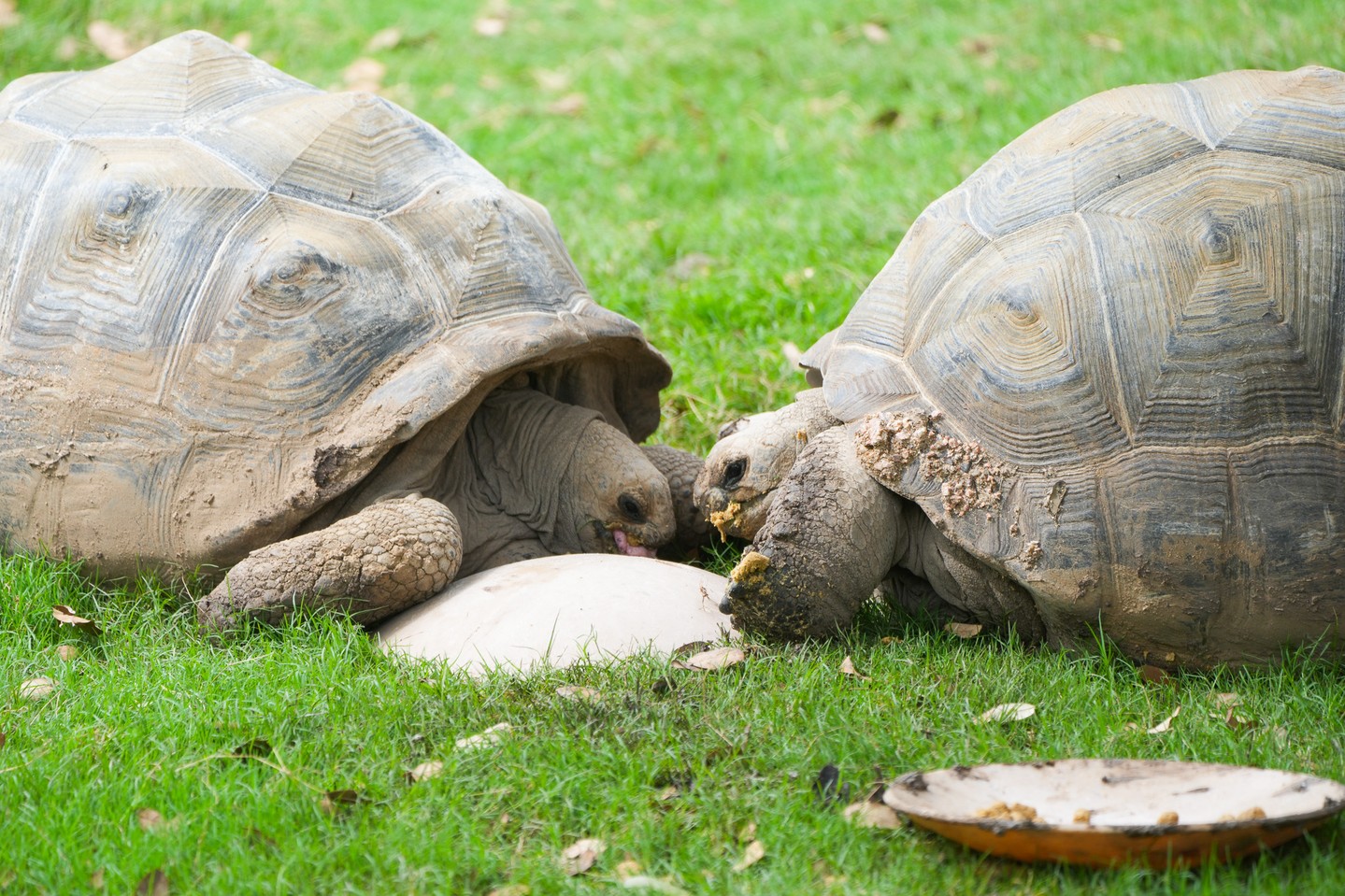
Lunch time can also get messy for the tortoises due to the sheer volume of food prepared and the eagerness of these animals to eat. Various factors contribute to the messiness, including the way food is presented. Some zoos may opt for scatter feeding, where food is spread out across their enclosures, mimicking how tortoises would naturally forage. While this method promotes naturalistic behavior, it also leads to food debris scattered across their habitat. Cleanup becomes necessary not only for hygiene but also to prevent the growth of mold and bacteria that can affect the tortoises’ health. Staff is often trained to observe and manage the amount left behind after feeding to maintain cleanliness.
Moreover, the involvement of zoo management in conservation cannot be overlooked during lunch times. Many zoos participate in breeding programs aimed at preserving endangered tortoise species. This communal feeding routine serves as an opportunity to assess the health of individual animals. Trained zookeepers can monitor feeding behaviors for signs of illness or distress. If a tortoise appears disinterested in food, further examination might be warranted. This level of oversight reinforces the commitment to conservation and the well-being of the tortoise population.
It is also essential to incorporate best practices for tortoise care and feeding into lunch time routines. Proper care includes selecting age-appropriate food items, providing additional calcium for shell health, and ensuring that all food is pesticide-free. Many zoos utilize a cooperative approach, where different animal care staff exchange information about food preferences and health observations. Knowledge-sharing contributes to an effective care strategy that benefits both the tortoises and the zoo as a whole.
Additionally, education plays a significant role in this process. Many zoos offer educational programs that highlight the importance of tortoise care, diet, and conservation. When visitors observe the feeding process, they often gain greater awareness of the challenges tortoises face in the wild, such as habitat destruction and poaching. These educational encounters encourage public engagement and support for conservation efforts.
In summary, lunch time can be a chaotic yet essential part of care for tortoises in zoos. From dietary needs to the management of feeding behaviors, every aspect contributes to their overall health and the success of conservation initiatives. As we gain more knowledge, the way tortoises are cared for will continue improving, reducing messiness while enhancing their quality of life. By focusing on proper feeding practices, awareness, and conservation education, we can create a better environment for these fascinating reptiles and foster a deeper appreciation for their place in our ecosystem.
*****
Source Description
Lunch time can get a little messy for the tortoises🤤 🐢
