
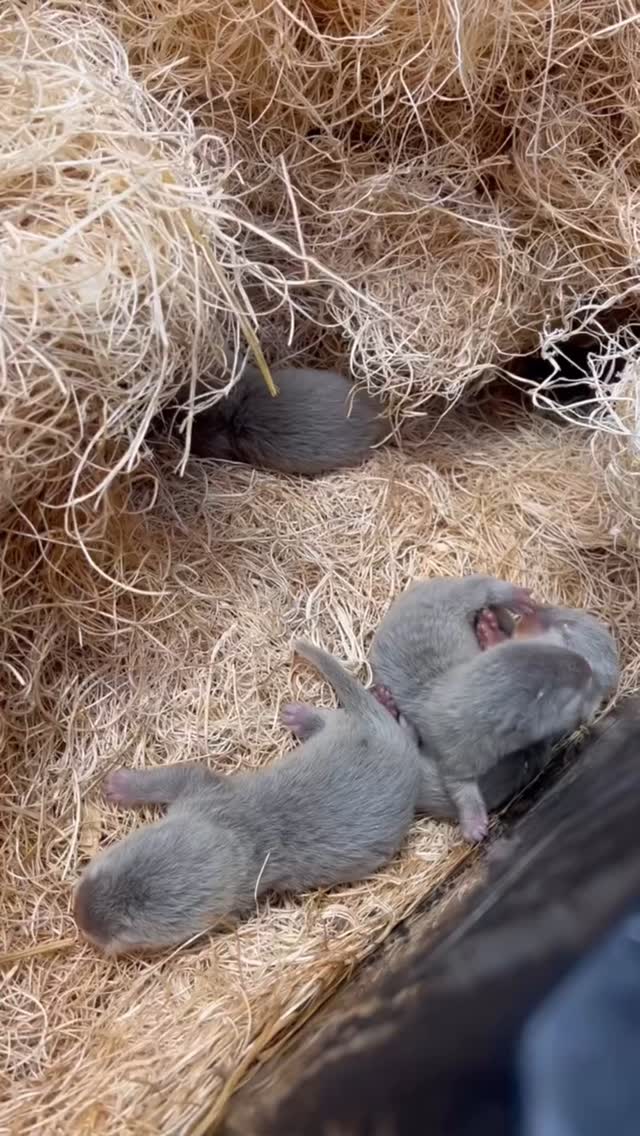
- Introduction to Happy World Otter Day and its significance in wildlife conservation.
- The unique characteristics and behaviors of otters, highlighting their ecological roles.
- The diversity of otter species globally and their varying habitats.
- Conservation efforts for otters, addressing challenges and strategies for protection.
- The role of zoos and aquariums in otter conservation and public education.
Happy World Otter Day is a celebration of the delightful otters that inhabit our rivers, seas, and lakes. This occasion emphasizes their significance in aquatic ecosystems and the conservation efforts needed to protect them. Otters are vital for maintaining balance in their habitats, yet they face numerous threats. Recognizing their importance and supporting conservation initiatives is crucial.
Otters are often referred to as nature’s acrobats, known for their playful behavior and remarkable agility in water. These semiaquatic mammals exhibit a range of fascinating behaviors, such as teamwork in foraging and sophisticated communication skills. Otters are also known for their usage of tools, such as rocks, which they use to break open shellfish, showcasing their intelligence.
Globally, there are 13 species of otters, each adapted to different environments. From the sea otters of the Pacific coast to the giant river otters of the Amazon, these creatures thrive in varied habitats. Each species plays a vital role in its ecosystem by controlling prey populations and providing an indicator of environmental health.
However, otters face numerous challenges, including habitat destruction, pollution, and poaching. Conservation efforts are crucial to protect these animals and their environments. Organizations worldwide are working tirelessly to implement strategies that mitigate these threats. This includes habitat restoration, legal protection, and community education programs that promote coexistence with local human populations.
Zoos and aquariums play a pivotal role in otter conservation. They provide opportunities for research and breeding programs while educating the public about the importance of otters and the delicate ecosystems they inhabit. Through engaging exhibits and interactive sessions, these institutions foster a connection between humans and nature, inspiring efforts to support conservation projects. By celebrating Happy World Otter Day, we reinforce our commitment to preserving these charming creatures and the ecosystems they call home.
Otters span a wide range of environments, from the chilly waters of Northern Europe to the dense tropical rainforests of South America. Each species boasts unique adaptations that allow them to thrive in their specific habitats. For example, the smooth-coated otter has webbed feet and a streamlined body to efficiently navigate through water, whereas the sea otter possesses an incredibly dense fur coat that insulates against cold ocean temperatures.
The importance of otters extends beyond their charm and ecosystem roles. Their presence often signifies a healthy aquatic environment, reflecting the overall health of our ecosystems. As apex predators, otters help maintain the balance of food webs by controlling populations of fish and invertebrates. This can prevent overgrazing of aquatic vegetation, showcasing their crucial role in ecosystem dynamics.
Conservation initiatives for otters seek to counteract the widespread threats these animals face. Pollution, such as oil spills and chemical runoff, can devastate otter populations. Additionally, illegal hunting for their pelts remains a problem in many regions. Effective conservation strategies include legal protection through national and international laws, habitat conservation efforts such as reforestation and wetland restoration, and initiatives to curb pollution.
Community involvement and education are vital to the success of these conservation strategies. By fostering local stewardship and awareness, communities near otter habitats can actively participate in conservation efforts. Educational programs in schools and local communities emphasize coexistence and inform the public about the significance of otters.
Zoos and aquariums are instrumental in advancing otter conservation. These institutions conduct critical research on otter health, breeding, and behavior, providing valuable insights that aid in wild conservation efforts. Through captive breeding programs, they ensure the survival of threatened species. Public exhibits and educational outreach initiatives in zoos and aquariums build public awareness and appreciation, highlighting the importance of otters and the need to protect them.
The playful nature of otters, seen in activities like sliding down riverbanks and engaging in intricate social interactions, fascinates and endears them to people worldwide. This behavior not only illustrates their intelligence and adaptability but also serves as a powerful means of connecting people with the natural world. Observing these behaviors provides insights into their social structure and communication, both important aspects of their survival.
Each otter species faces unique challenges based on its specific environment and human interactions. The Eurasian otter, for example, is found across Europe and parts of Asia, adapting to both freshwater and coastal environments. Its adaptability has sometimes led to conflict with humans, particularly in areas where fishing is a significant economic activity. In contrast, the Asian small-clawed otter, the smallest otter species, navigates the swamps and rice paddies of Southeast Asia, where it often encounters habitat loss due to urbanization.
Efforts to protect otters are comprehensive and multifaceted. International collaboration plays a significant role in crafting policies and sharing resources for conservation. Organizations like the International Union for Conservation of Nature (IUCN) and the World Wildlife Fund (WWF) prioritize otter conservation in their global agendas.
Active research is also crucial. Ongoing studies investigating the impacts of climate change on otter habitats provide critical data for developing adaptive conservation strategies. These studies explore how rising temperatures and changing precipitation patterns affect otter prey availability and habitat suitability.
By spotlighting Happy World Otter Day, there is an opportunity to unite communities, conservationists, and wildlife enthusiasts in a renewed commitment to these extraordinary creatures. This special day serves as a powerful reminder of the intricacies of earth’s ecosystems and the critical role that wildlife plays within them.
Engagement and awareness are essential to conservation success. Campaigns and events associated with Happy World Otter Day often include educational workshops, social media advocacy, and fundraising activities dedicated to otter and habitat preservation. Through these efforts, Happy World Otter Day not only raises awareness but also drives tangible action toward safeguarding our natural world.
*****
Source Description
Happy World Otter Day! 🦦 Today, we’re celebrating our playful, whiskery friends who bring joy to guests and play a vital role in healthy aquatic ecosystems. From their incredible teamwork to their slippery sliding skills, otters are truly nature’s little water acrobats! Learn more in the link in our stories!
