
- Importance of constructing a new habitat for North American river otters.
- The ecological significance of river otters in Michigan.
- Design and features of the new otter habitat.
- Conservation efforts and challenges in otter population recovery.
- Funding and support for the new habitat project.
The announcement of a new habitat for North American river otters marks a significant milestone in wildlife conservation and zoo management. As we embark on this project, we reflect on the crucial role these animals play in Michigan’s ecosystem. Once facing declining numbers due to habitat destruction and pollution, these playful creatures have rebounded, thanks in part to targeted conservation efforts.
The construction of this facility is not only a response to logistical needs but also an enhancement of educational and engagement opportunities for the public. The existing otter habitat, which has stood for over four decades, is being upgraded to a spacious and modern environment. Expanding from 1,300 to 3,209 square feet, the new facility will offer more room for otters to swim, dive, and display their natural behaviors. This upgrade not only benefits the otters but also enriches the visitor experience, showcasing the vibrancy of Michigan’s native species.
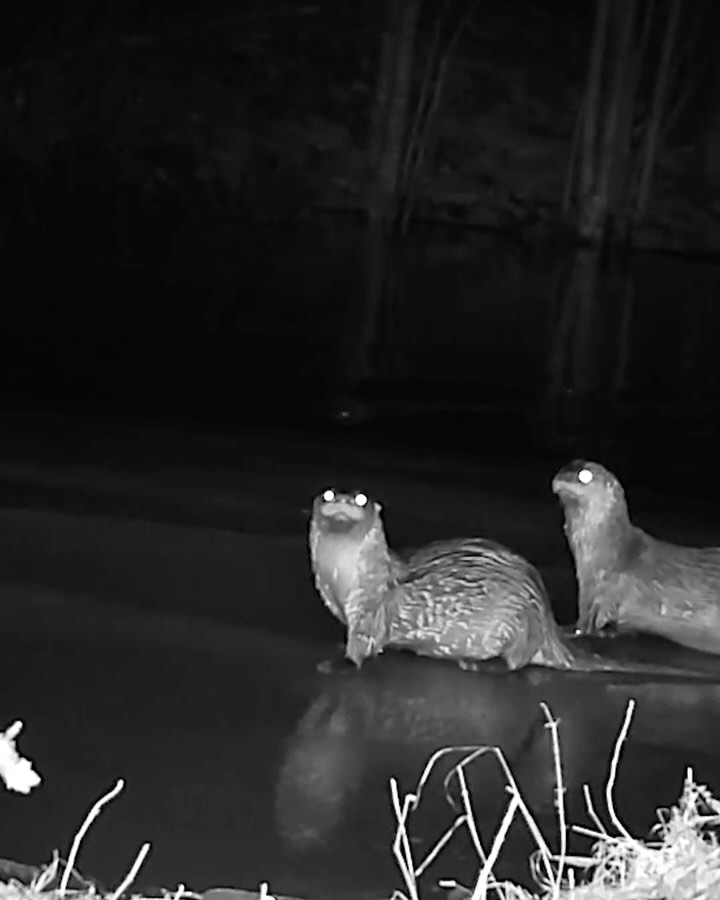
Collaboration with organizations such as Kent County Parks highlights the importance of community involvement in conservation initiatives. Observing wild river otters nearby reinforces the impact of this project. It’s a testament to the otters’ adaptability and the success of local conservation measures. The support from the Bill and Bea Idema Foundation highlights the philanthropic partnerships that make such projects feasible. However, additional funding is sought to realize the full potential of the 10-Year Master Plan, underscoring the continuous need for public and private collaboration in conservation endeavors.
River otters are integral to freshwater ecosystems, acting as indicators of environmental health. Their presence suggests good water quality and a healthy food web. Otters primarily feed on fish and amphibians, controlling prey populations and contributing to ecological balance. The existence of a robust otter population signals a thriving habitat, which benefits numerous other species.
The new habitat is designed with the otters’ needs in mind, optimizing space for exercise and social interaction to mimic their natural surroundings. Features like underwater viewing areas, varied terrain, and enrichment tools will facilitate a dynamic environment. By allowing otters to express innate behaviors, the habitat supports their physical and mental well-being.
Otter conservation faces several challenges, including pollution, climate change, and competition for resources. Efforts to maintain and rebuild their habitats are crucial. Initiatives such as pollution reduction, wetland restoration, and legal protection of waterways have contributed to the otters’ resurgence. Public education and awareness are also pivotal in fostering a sense of responsibility toward these ecosystems.
The journey to constructing this habitat serves as a case study in successful wildlife management and conservation strategy. It exemplifies how targeted actions and community support can lead to ecological recovery. By harnessing scientific research, community engagement, and strategic funding, we aim to build a sustainable future for river otters and other native species.
As we continue this project, we emphasize the importance of maintaining momentum in conservation efforts. Every step toward protecting these animals helps ensure the biodiversity of our ecosystems for generations to come. Through informed and collaborative efforts, we can sustain the natural world that enriches our planet and fuels our curiosity.
*****
Source Description
Otter-ly exciting news 🦦
We’ve officially begun construction on a brand-new, state-of-the-art habitat for our North American river otters — and we couldn’t be more excited to bring you along on this journey! 🛠️
River otters are more than just playful and curious swimmers — they’re also a key part of Michigan’s freshwater ecosystems. Once in decline due to habitat loss and pollution, they’ve made an inspiring comeback in parts of our state thanks to ongoing conservation efforts.
Our current otter habitat has served us well for 43 years, but it’s time for a major upgrade. The new space will total 3,209 square feet — making it over 60% larger than the original 1,300-square-foot habitat. This new habitat will give our otters more space to dive, play, and explore — while also giving you a closer look at a species that’s native to Michigan and thriving right in our backyard.
Thanks to our friends at @kentcountyparks, we were lucky enough to catch a glimpse of wild river otters living nearby — a perfect reminder of why this project matters.
The new river otter habitat was made possible by a generous lead gift from the Bill and Bea Idema Foundation. The Zoo is still seeking additional donors to support this habitat and other initiatives within the 10-Year Master Plan.
