
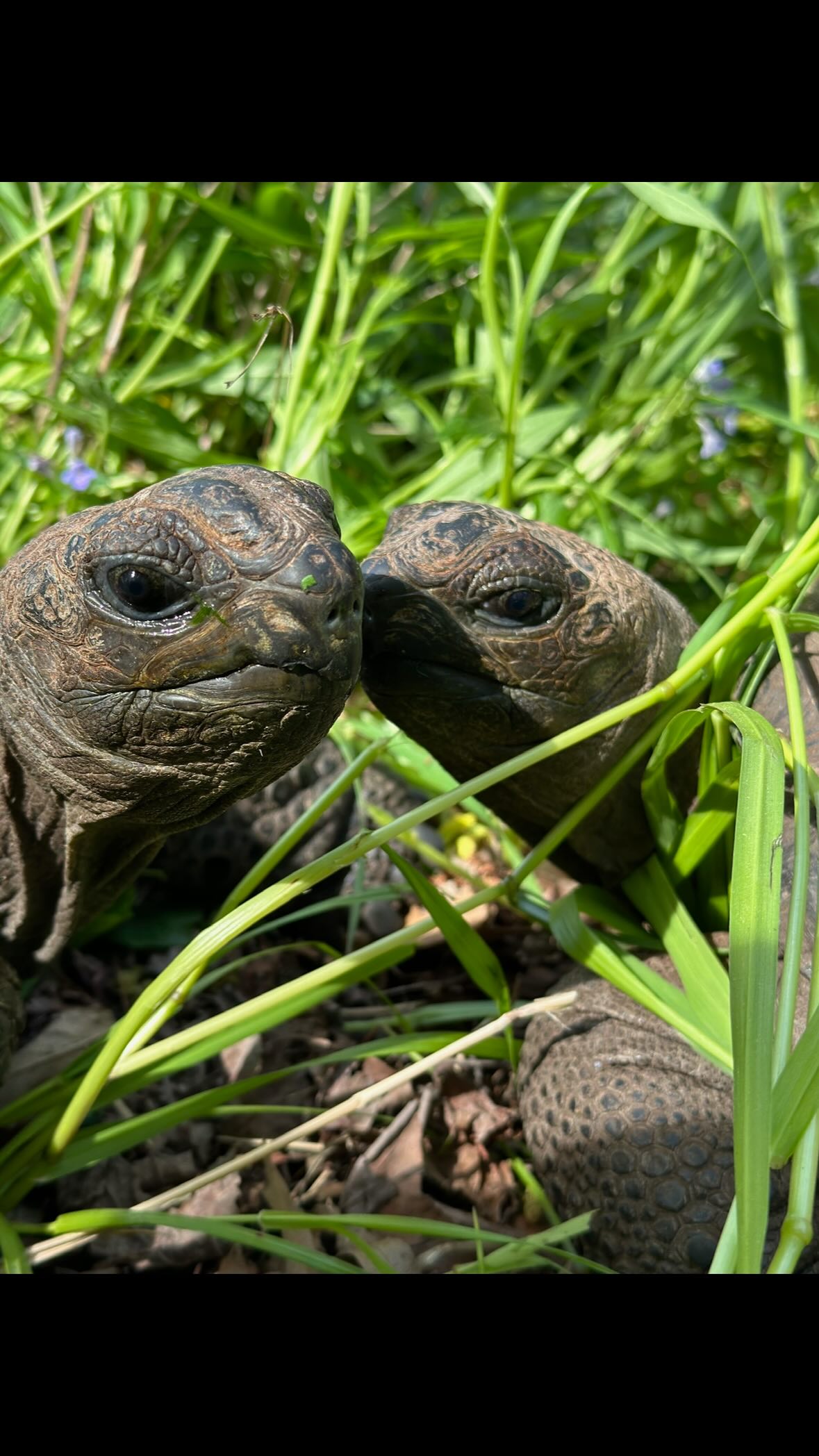
- The significance of World Turtle Day and the ecological role of turtles.
- An exploration of the differences between turtles and tortoises.
- Conservation challenges faced by turtles and tortoises worldwide.
- Successful conservation efforts and how individuals can contribute.
- The urgent need for raising awareness and supporting turtle conservation.
World Turtle Day, celebrated on May 23rd each year, shines a spotlight on turtles’ ecological importance and the urgent need for their conservation. This day aims to raise awareness about the diverse species of turtles and tortoises and their vital roles in ecosystems across the globe. These ancient reptiles are environmental champions, contributing in various ways to ecological balance.
Understanding the differences between turtles and tortoises is crucial to appreciating their unique adaptations and lifecycles. Turtles are a broader category that includes both marine and terrestrial species. Tortoises, however, are a subgroup characterized by their stumpy legs and land-based habitats. While turtles can be found in both fresh and saltwater environments as well as on land, tortoises are strictly terrestrial.
The ecological roles of these animals are diverse and fascinating. In marine environments, sea turtles are important for maintaining healthy seagrass beds and coral reefs. They graze on seagrass, preventing it from becoming overgrown. This action promotes seagrass growth and the health of marine ecosystems. In freshwater and terrestrial ecosystems, turtles and tortoises aid in seed dispersal and contribute to maintaining the balance of their habitats.
Despite their ecological importance, more than half of all turtle and tortoise species face the threat of extinction. Habitat destruction, climate change, and illegal trade exacerbate their vulnerable status. Coastal development and pollution threaten marine turtles’ nesting grounds, while illegal poaching for their shells and meat devastates populations worldwide.
Efforts to conserve these remarkable creatures have seen some success. Marine protected areas have been established to safeguard critical habitats. Initiatives that engage local communities in conservation practices have proven effective. For example, the success of community-based conservation projects in regions like Costa Rica highlights the impact of involving local stakeholders in protecting sea turtle nesting sites.
Individual actions can significantly impact the conservation of turtles and tortoises. Supporting organizations dedicated to wildlife preservation, participating in beach clean-ups, and advocating for sustainable fishing practices are impactful ways to contribute. Educating others about the critical role of turtles in ecosystems fosters a culture of awareness and responsibility.
Raising awareness of the plight of turtles is essential. By promoting the importance of turtle conservation, we can advance protective measures and policies. Public education campaigns and community involvement are crucial steps toward ensuring that future generations can witness the beauty and importance of turtles in the wild.
World Turtle Day is a reminder of our responsibility to protect these incredible creatures. It calls us to action, encouraging us to advocate for policies that protect their habitats and support conservation initiatives. The world needs turtles, and turtles need our vigilance, care, and dedicated efforts to thrive. Through education, we can champion their cause, celebrating their place in nature every day.
*****
Source Description
Happy World Turtle Day! 🐢
Did you know all tortoises are turtles, but not all turtles are tortoises? These ancient reptiles come in over 300 species—ranging from ocean giants to tiny forest dwellers—each playing a vital role in their ecosystem. From maintaining healthy seagrass beds to dispersing seeds in tropical forests, turtles are true environmental heroes.
But sadly, more than half of turtle and tortoise species are threatened with extinction due to habitat loss, climate change, and illegal trade.
Let’s shell-ebrate them not just today, but every day—by supporting conservation efforts and spreading awareness. The world needs turtles. And right now, turtles need us.
