
- Understanding the significance of World Turtle Day and its celebration.
- Exploring the habitat and characteristics of the gopher tortoise.
- Clear distinctions between turtles and tortoises.
- Practical ways to aid in the conservation of turtles and tortoises.
- Educational outreach and the role of spreading awareness.
World Turtle Day, celebrated annually, aims to bring attention to the vital role turtles and tortoises play in ecosystems and the environment. It’s an opportunity to appreciate these ancient reptiles and promote the conservation of their habitats, which face numerous threats from human activity. This celebration is timely as it draws awareness to essential conservation efforts, encouraging communities to engage in actions that safeguard these remarkable creatures.
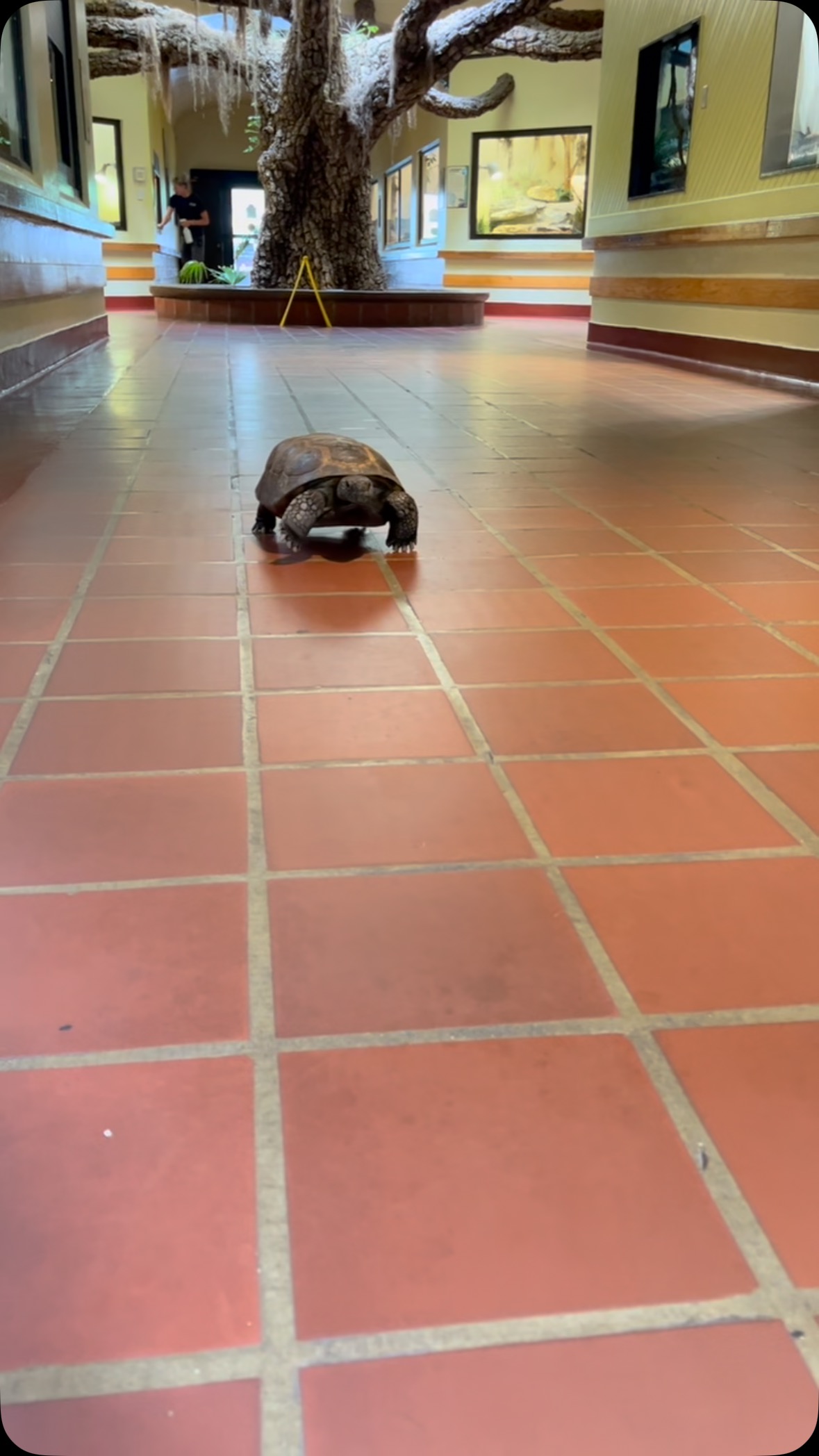
The gopher tortoise, the animal of the month, is particularly deserving of attention. This terrestrial reptile, native to the southeastern United States, is cherished for its role in enhancing biodiversity. It spends most of its life in deep burrows, which are essential for its survival and provide shelter for over 350 other species. The gopher tortoise is a cornerstone species, influencing its environment and serving a crucial ecological function.
Understanding the distinction between turtles and tortoises enriches our knowledge about these creatures. While all tortoises are turtles, not all turtles are tortoises. The term ”turtle” encompasses a wide array of species, including those that live in oceans, freshwaters, and on land. Tortoises, however, are strictly terrestrial and have distinct adaptations such as dome-shaped shells and sturdy, elephant-like legs suited for their life on land.
In supporting the conservation of turtles and tortoises, individuals can take several actionable steps. Reducing litter and choosing sustainably sourced seafood are vital practices. Plastic pollution poses a significant threat, often mistaken by turtles as food, leading to choking hazards. Picking up litter, especially near water bodies, limits this danger. Moreover, being mindful of seafood consumption helps reduce the impact of fishing on marine turtle populations.
It’s crucial to resist the temptation to take turtles from their habitats unless there’s a concern for injury or illness. Such acts can disrupt local populations and ecosystems. For unwanted pet turtles, reputable shelters or reptile rescues provide the best care without introducing potential diseases or genetic mismatches into wild populations. Additionally, understanding native wildlife and advocating for their protection spreads awareness and strengthens conservation efforts.
Education plays a pivotal role in conservation. Creating engaging content and resources allows individuals to learn about native species and share this knowledge within their communities. Spreading awareness is foundational to driving meaningful change and shaping attitudes toward environmental stewardship.
Ultimately, celebrating World Turtle Day with this knowledge encourages an enduring commitment to protecting turtles and tortoises. As stewards of the earth, each small action contributes to a larger, global effort to preserve nature’s balance. Through concerted efforts, we can help ensure a thriving future for these ancient reptiles and the ecosystems they sustain.
*****
Source Description
It’s time to shellebrate World Turtle Day (in 3x speed!) with our animal of the month – the gopher tortoise!
Did you know that tortoises are a type of turtle that live on land? All tortoises are turtles, but not all turtles are tortoises. 🤯
How can you help turtles and tortoises?
🗑️ Pick up litter
🚫Say no to plastics!
🦞 Choose responsibly caught seafood
🤕 Don’t take any turtles out of the wild unless they are sick/injured
🏜️ Don’t release unwanted turtles into the wild – bring them to a shelter/reptile rescue
🐢 Learn more about native wildlife and spread awareness
🎥: Lily, Educator aide
