
- The ecological role of piranhas in their habitat
- Dietary habits and behavioral characteristics of red-bellied piranhas
- The significance of piranha conservation and management
- Misconceptions surrounding piranha aggression and behavior
- Celebrating seven years of piranha care and population growth
The ecological role of piranhas in their habitat cannot be understated. These fish thrive in river systems throughout South America, particularly in the Amazon Basin. Their presence contributes to the balance of their ecosystems, as they are both predators and prey. Piranhas help control populations of insects, small fish, and plant life, thus maintaining a diversified aquatic environment. They often compete with other fish species for food resources, reinforcing the biodiversity in their habitat.
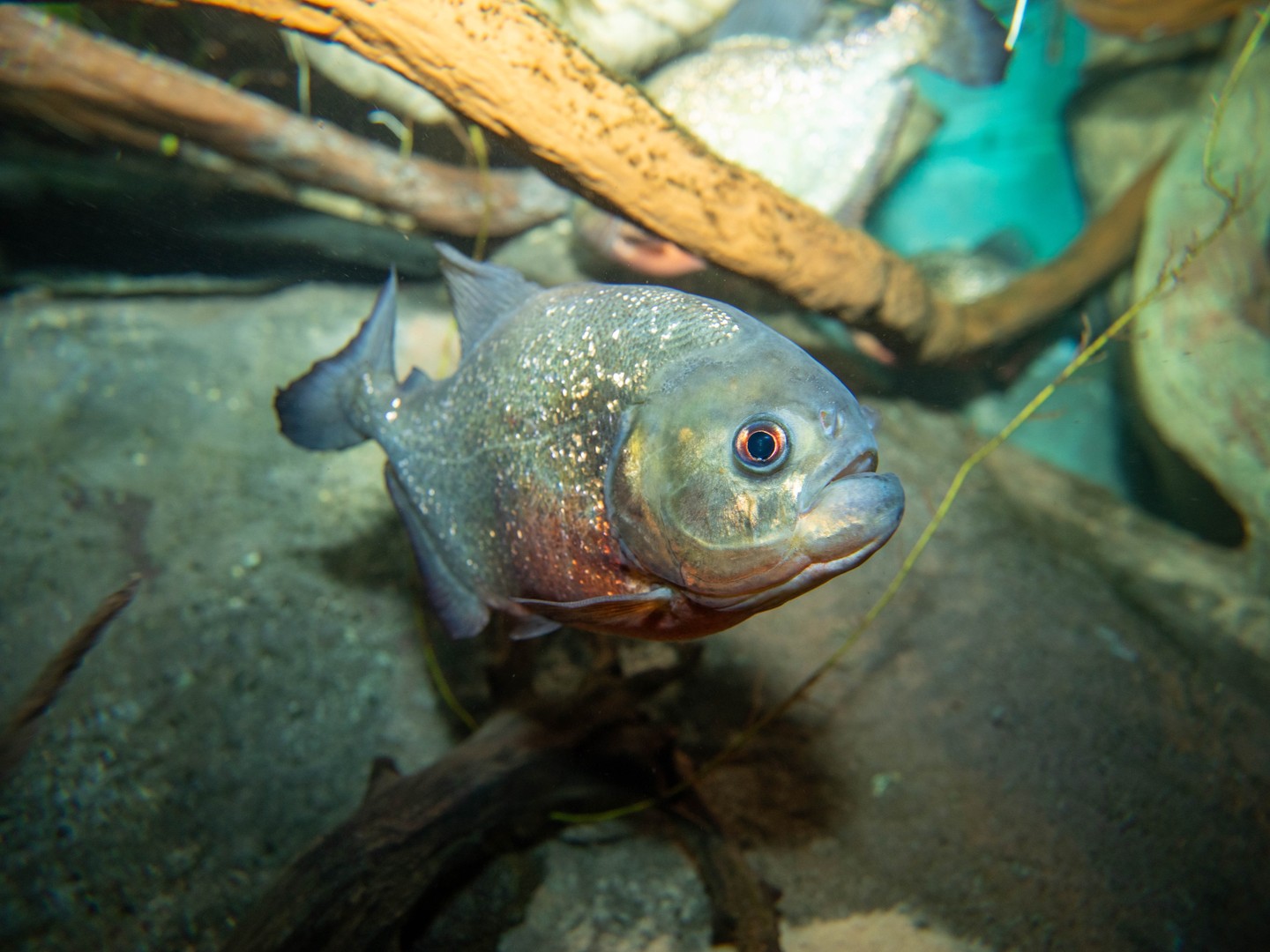
The red-bellied piranha, scientifically known as Pygocentrus nattereri, is one of the best-known piranha species and the one most commonly found in captivity. Although infamous for their sharp teeth and aggressive reputation, their dietary habits reveal a more complex eating behavior. Red-bellied piranhas primarily consume a mixed diet of plant material and animal proteins. They have been observed eating insects, worms, and parts of fish. This omnivorous eating pattern supports their survival as opportunistic foragers, allowing them to adapt to varying food availability in their environment.
Behaviorally, red-bellied piranhas exhibit dynamic social interactions. They often thrive in schools, which can provide protection from larger predators. While in groups, these fish can display fascinating social structures, maintaining hierarchies where dominant individuals often secure the best feeding spots. Their schooling behavior is not just a tactic for safety; it also enhances their foraging success, as they can more effectively locate and consume food when hunting in numbers.
The significance of piranha conservation and management is growing, especially as their natural habitats face numerous threats. Deforestation, pollution, and climate change can drastically alter their ecosystems. These factors can lead to decreased piranha populations, making conservation efforts vital. Responsible aquarium management allows for sustainable piranha populations in controlled environments, serving as a safeguard against the over-exploitation faced in the wild.
Education about piranhas is critical to dispelling misconceptions surrounding their aggression and behavior. Many people believe that all piranhas are inherently dangerous and aggressive killers. In reality, while some piranha species can exhibit territorial and competitive behaviors, they are not indiscriminately aggressive. The red-bellied piranha primarily feeds on plant material and smaller creatures, rarely posing a threat to humans unless provoked. This misunderstanding has led to unjust fear and misrepresentation of the species.
Celebrating seven years with our piranha population is a significant milestone. Over these years, we have provided a stable and enriching environment that has allowed our red-bellied piranhas to thrive. Successful breeding programs have been established, leading to an increasing population that contributes to educational initiatives. Visitors can learn about their fascinating lifestyles and the important ecological functions they perform.
Our piranha population serves as an ambassador for conservation efforts, illustrating the need for holistic approaches to wildlife management. The aquarium has implemented best practices to ensure that the piranha population resembles their natural state as closely as possible. This includes replicating their natural habitats with appropriate water conditions, vegetation, and tank mates. Such strategies support their well-being and allow for immersive educational experiences for our visitors.
Feeding time at the aquarium presents an opportunity for guests to observe these fish in action. Our aquarists utilize varied diets to stimulate natural foraging behaviors. Piranhas are often fed a mix of dried pellets, fresh vegetables, and protein-rich items such as shrimp. This dietary variety not only meets their nutritional requirements but also encourages the natural foraging techniques they would use in the wild.
Continuous monitoring of water quality is vital in maintaining a healthy piranha population. Various parameters such as pH levels, temperature, and nitrate concentrations are regularly tested. Such diligence ensures that any environmental stressors are quickly addressed, promoting optimal living conditions for our fish. These practices have been crucial in supporting the health and longevity of our piranha population over the years.
Understanding the social dynamics of red-bellied piranhas is essential for effective management and care. Observing their interactions provides insight into their behavioral patterns. For example, during feeding, dominant individuals will often establish themselves at the forefront, while subordinates wait for their turn. This behavior reflects the hierarchy that plays out daily among the school, illustrating the complexities of their social structures.
A significant part of our commitment to conservation involves engaging visitors through educational programming. Interactive exhibits and demonstrations help to foster an appreciation for these often-misunderstood fish. By showcasing their ecological roles, we are promoting stewardship and encouraging support for wildlife conservation. Informative talks highlight the impact of local habitat degradation on piranha populations, further illuminating the connection between ecosystem health and species survival.
Recording the growth and health of our piranha population over the last seven years also involves meticulous data collection. Growth rates, breeding success, and behavioral observations contribute to a broader understanding of their needs. This data is crucial for other aquariums and wildlife organizations aiming to successfully manage their piranha populations in similar facilities.
The celebrations surrounding our piranha population underscore a growing appreciation for diverse aquatic species. As people come to understand the threatened statuses of many wildlife populations globally, it becomes increasingly essential to highlight the successes of conservation efforts. Our piranhas serve as a focal point for raising awareness about the importance of biodiversity in freshwater ecosystems.
In summary, these toothy fish have much more to offer than their fearsome reputations suggest. With a diverse diet that includes plant material, red-bellied piranhas embody the complexities of aquatic ecosystems. Their successful management in our facility highlights the importance of responsible practices in animal care and conservation efforts. As we celebrate seven years with our piranha population, we not only honor their contribution to our aquatic community but also recommit ourselves to vital conservation initiatives.
Every visit to our aquarium provides an opportunity to learn, appreciate, and support the important roles that piranhas and other wildlife play in the health of our planet. So next time you encounter our fascinating red-bellied piranhas, give them a big smile! They are integral to ensuring the balance of their ecosystems and are worthy of admiration and respect.
*****
Source Description
We’re celebrating 7 years with our piranha population! 🥳
These toothy fish have a fearsome reputation, but it couldn’t be further from the truth. Plants are part of many piranhas’ meals, and some piranha are even herbivorous. Our red-bellied piranhas are one of the few carnivorous species.
Red-bellied piranhas’ varied diet helps them survive as foragers in the wild, where they’ll munch on insects, worms, and little nibbles of other fishes.
Give them a big smile next time you see them! 😁
