
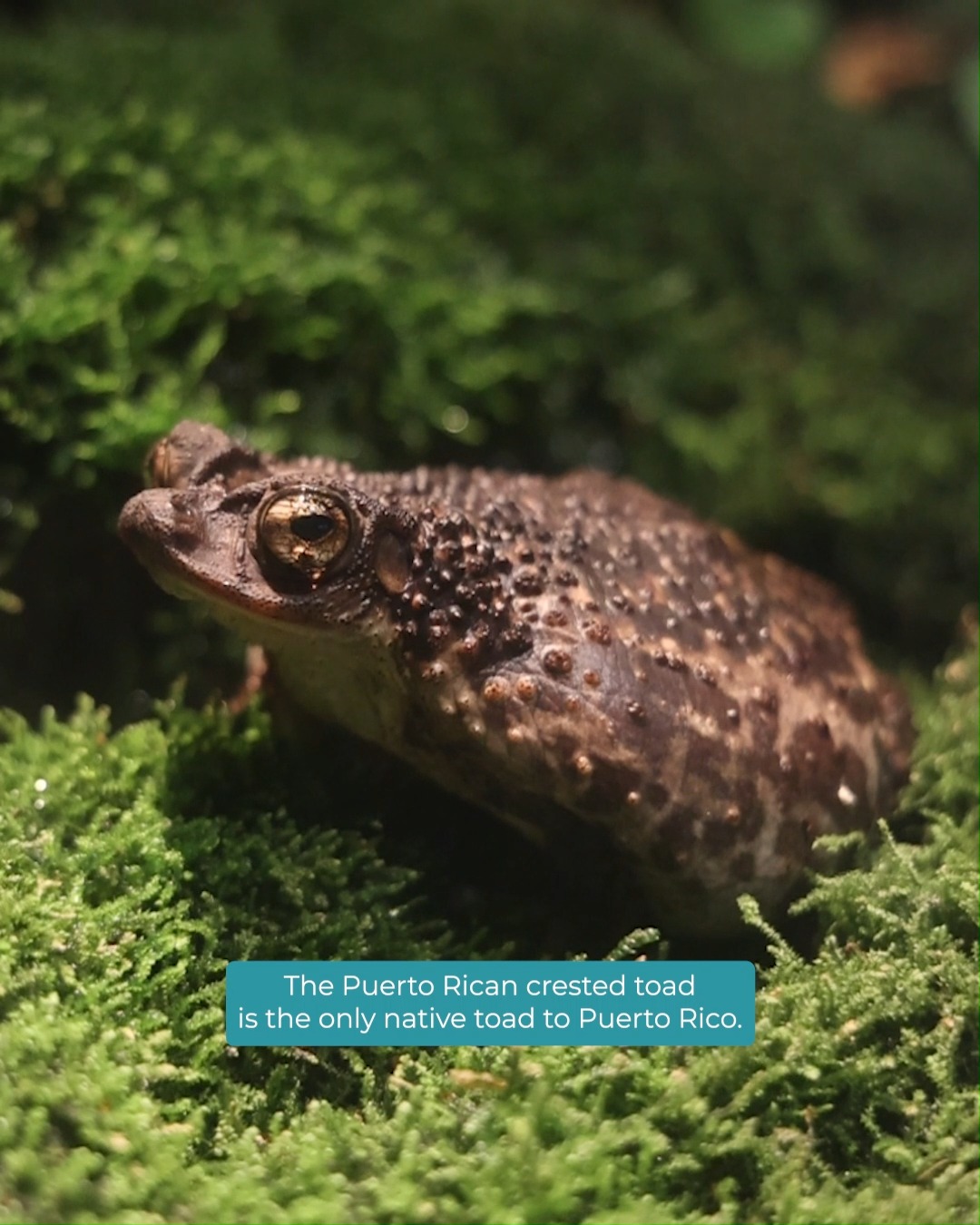
- The significance of the Puerto Rican Crested Toad in biodiversity.
- Nashville Zoo’s Wild Works conservation program and its impact.
- Hands-on conservation efforts in Puerto Rico, including fieldwork experiences.
- The broader implications of amphibian conservation on ecosystems.
- Strategies for raising awareness and fostering community involvement in conservation.
The Puerto Rican Crested Toad (Peltophryne lemur) serves as a crucial indicator of the health of ecosystems in Puerto Rico. Endangered due to habitat loss, pollution, and disease, this amphibian exemplifies the challenges faced by countless species worldwide. Its presence is essential for maintaining ecological balance. As a predator of insect populations, the Puerto Rican Crested Toad helps regulate these numbers, demonstrating that even small creatures like toads play a vital role in biodiversity. The decline of such species can signal broader environmental issues, making their conservation a high priority.
Nashville Zoo’s Wild Works conservation program has made significant strides in preserving the Puerto Rican Crested Toad. Since its inception, the program has sent over 33,000 tadpoles back to their natural habitat. The record-breaking number of 6,681 tadpoles released this year underscores the commitment and efficacy of this initiative. By breeding these toads in controlled environments, the program mitigates the risks posed by their declining population in the wild. Each tadpole represents a tiny step toward reversing the trend of extinction. Conservation efforts like these not only help prevent species loss but also foster a sense of responsibility toward preserving our planet’s biodiversity.
Fieldwork plays a vital role in conservation, and the trip that Herpetology Keeper Pia took to Puerto Rico exemplifies this need for direct involvement. Gaining hands-on experience in the field is crucial for understanding the specific challenges and needs of the Puerto Rican Crested Toad. Through her time in Puerto Rico, Pia assisted with various tasks, including habitat assessments, tadpole releases, and community engagement. These activities not only benefit the toads but also serve to educate local communities about the importance of conservation. Field experiences also equip conservationists with the knowledge and skills necessary for effective management strategies in the future.
The implications of amphibian conservation extend beyond the species itself. Amphibians are vital indicators of environmental change. They have permeable skin, which makes them particularly susceptible to pollutants and climate change. As such, their population dynamics can offer insight into the health of their ecosystems. Protecting amphibians like the Puerto Rican Crested Toad can yield benefits for various other species, ensuring a more balanced ecosystem. The loss of amphibians can lead to increased insect populations, which can, in turn, have negative repercussions on agriculture and human health.
Community involvement is essential for successful conservation efforts. Raising awareness and educating the public can drive collective action. The Nashville Zoo has been proactive in connecting with local communities, emphasizing the role that individuals can play in conservation efforts. Educational programs, outreach initiatives, and volunteer opportunities provide avenues for people to engage actively with wildlife preservation. Generating enthusiasm around conservation fosters a culture of stewardship that can have lasting effects on the environment.
The critical status of the Puerto Rican Crested Toad highlights the broader context of amphibian conservation globally. Approximately one-third of amphibian species are currently threatened with extinction. Habitat destruction, climate change, and introduced diseases are primary factors contributing to these declines. Organizations like Nashville Zoo underscore the urgent need for collaborative conservation efforts to tackle these issues. In addition to releasing tadpoles, the zoo’s conservation program focuses on habitat restoration and research initiatives aimed at better understanding the ecological requirements of species like the Puerto Rican Crested Toad.
One of the significant threats to amphibians is the chytrid fungus, which has devastated populations worldwide. Research focused on understanding and combating these kinds of pathogens is paramount. By collaborating with researchers and other organizations, Nashville Zoo is contributing vital data that could eventually lead to solutions. This approach exemplifies how targeted research combined with practical conservation strategies can yield beneficial results for endangered species.
Conserving the Puerto Rican Crested Toad is intricately linked to preserving its habitat. Ensuring that breeding and release sites are suitable for their survival is crucial. Habitat degradation can lead to unfavorable conditions for toads, complicating their chances of survival once reintroduced. Therefore, efforts directed at habitat preservation and restoration are just as essential as breeding programs. Engaging with local communities in habitat conservation initiatives reinforces their role in stewardship, ensuring that efforts are sustainable.
The involvement of zoos in conservation is expanding. Many institutions, including Nashville Zoo, leverage their resources and expertise to contribute to in-situ conservation initiatives. This shift recognizes that zoos can serve as powerful advocates for wildlife and become aware of the myriad issues surrounding conservation. Through educational programs, research initiatives, and collaborative conservation efforts, zoos can mobilize public support in unprecedented ways.
The connection between animal welfare and conservation cannot be overstated. Welfare considered in captive breeding programs, like those of the Nashville Zoo, can have downstream effects on the success of reintroduction efforts. Healthy, well-adjusted animals are more likely to thrive when placed back into their natural habitats. This understanding has led to a paradigm shift in how zoos design their programs, allowing for a holistic approach to wildlife preservation.
Engaging storytelling is effective for raising awareness about the plight of endangered species like the Puerto Rican Crested Toad. By sharing success stories from conservation programs, such as the remarkable feat of releasing over 33,000 tadpoles, people can see tangible results of their support. Social media campaigns, educational seminars, and public events focus on fostering emotional connections to wildlife. The more people learn and feel connected to these species, the more likely they are to advocate for their protection.
The Puerto Rican Crested Toad serves as a compelling symbol of broader conservation needs. Its survival pathways are representative of the challenges and opportunities that species worldwide face. The efforts of the Nashville Zoo illustrate that effective conservation requires a multi-faceted approach. Breeding programs, fieldwork, community education, and research initiatives operate collectively to enhance the chances of survival for endangered species.
As global citizens become increasingly aware of environmental issues, the role of individuals becomes even more critical. Raising awareness around species like the Puerto Rican Crested Toad can spark interest and investment in conservation actions. Volunteer opportunities and citizen science initiatives enable individuals to actively participate in conservation efforts. Strategies such as these build community resilience and long-term commitments to biodiversity preservation.
Nashville Zoo’s initiatives highlight the importance of dedication and collaboration in the fight against species extinction. Each successful release of tadpoles back into the wild marks a step toward restoring the Puerto Rican Crested Toad population. The experiences of conservationists, grounded in both scientific knowledge and compassionate action, inspire future generations to value and protect wildlife. This ongoing commitment to action and education bolsters hope for not only the Puerto Rican Crested Toad but for countless other species facing similar challenges. With continued efforts, the lessons learned can extend to wider conservation initiatives, ensuring that endangered species receive the attention and support they deserve.
*****
Source Description
On we’re celebrating a leap for the endangered Puerto Rican Crested Toad! Under our Wild Works conservation program, Nashville Zoo has sent over 33,000 tadpoles to be released back into the wild, including a record-breaking 6,681 this year. 🌎🐸
In November, Herpetology Keeper Pia traveled to Puerto Rico to assist with fieldwork and gain hands-on experience supporting these endangered amphibians in their natural habitat. 💚
