
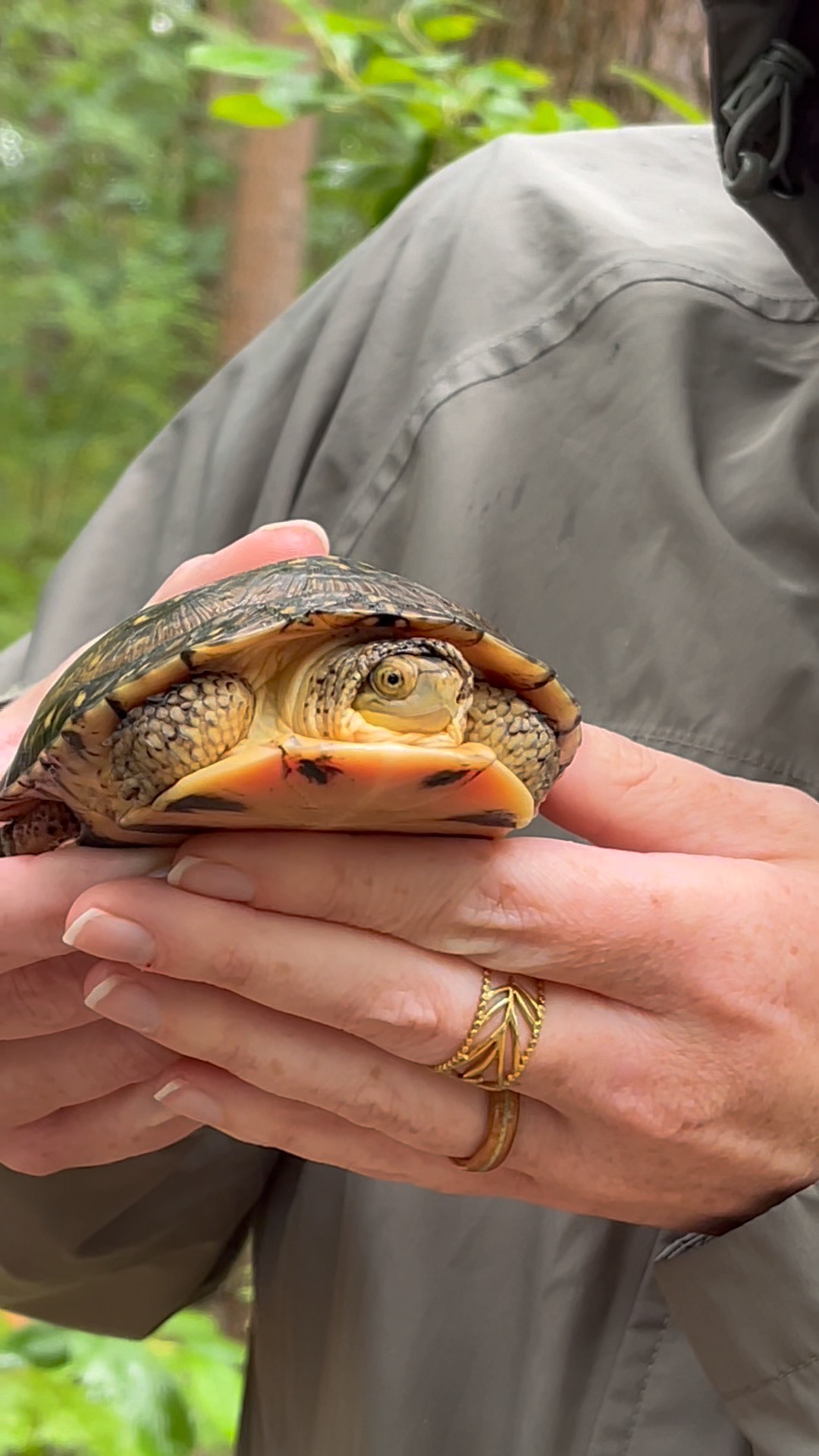
- The ecological importance of Blanding’s turtles and their role in freshwater ecosystems
- Overview of the Zoo Hatchling and Turtle Conservation through Headstarting (HATCH) Program
- The specific needs and vulnerabilities of young Blanding’s turtles in their early life stages
- The significance of headstarting in wildlife conservation
- Community and educational outreach related to turtle conservation efforts
This summer marked a pivotal moment in the conservation of Blanding’s turtles, as Zoo New England successfully released five young turtles into their natural habitat. Blanding’s turtles, recognized easily by their distinctive yellow chin and dome-shaped shells, are classified as a threatened species. They are pivotal players in freshwater ecosystems, helping to maintain the balance of their environments. Understanding their ecological importance is vital for both conservationists and the general public.
Blanding’s turtles inhabit marshes, ponds, and wetlands, where they play various roles, such as controlling insect populations and serving as both predator and prey within their ecosystems. Adult Blanding’s turtles can influence their environments in profound ways, but the young turtles are particularly vulnerable in their early life stages. Habitat loss, predation, and climate change significantly threaten these turtles, underscoring the necessity for conservation efforts.
In July, the Zoo Hatchling and Turtle Conservation through Headstarting (HATCH) Program came to life. This initiative is designed to assist endangered turtles during their most critical developmental phase. Young turtles raised at the Aquarium are given a head start before being released into the wild. The program addresses the environmental challenges faced by these turtles, enabling them to grow stronger and healthier before they encounter threats in their natural habitats.
Headstarting involves breeding turtles in a controlled environment, allowing them to grow larger and develop essential skills. For instance, young Blanding’s turtles are particularly susceptible to predation from birds and mammals during their first few months of life. By increasing their size before release, conservationists significantly improve their chances of survival. During the headstart phase, turtles are kept in enclosures where their physical needs for humidity and temperature are carefully met. This attention to their specific requirements contributes to higher survival rates upon release.
The vulnerability of young Blanding’s turtles cannot be overstated. After hatching, they weigh less than a quarter of an ounce and are only a few inches long. This small size makes them an easy target for predators. Their protection from the elements and other threats during the headstart phase is paramount in the incoming transition to the wild. Education on their habitat needs and predatory threats serves to cultivate a better understanding of the challenges these turtles face.
The significance of headstarting in wildlife conservation extends beyond just individual species. It acts as a model for various other conservation programs aimed at preserving endangered populations. While the primary goal is to increase survival rates, the program also boosts genetic diversity in natural habitats. Over time, the release of healthy young Blanding’s turtles into the wild contributes to a more robust population, which can stabilize local ecosystems.
Community engagement is crucial for the success of conservation projects like the HATCH Program. Education about Blanding’s turtles and their ecological importance fosters a sense of stewardship among local communities. Educational outreach includes hosting events at the Zoo and creating interactive content that highlights the threats faced by Blanding’s turtles. By encouraging public participation, the program cultivates a network of advocates dedicated to conservation.
Public awareness is vital in addressing the issues that affect turtle populations. Working closely with local schools and environmental organizations helps raise awareness of habitat preservation, sustainable practices, and the importance of biodiversity. Engaging communities in conservation activities, such as clean-up events near local wetlands, provides opportunities for hands-on participation. When community members see how their actions can directly impact the survival of species like the Blanding’s turtle, it cultivates a more profound commitment to environmental stewardship.
Many conservation programs also find success through technological advancements. Tracking devices are sometimes attached to released turtles to monitor their movements and behaviors in the wild. This data plays an essential role in understanding adult Blanding’s turtles’ needs post-release and revealing further insights into their life cycles. Utilizing advanced technologies increases our understanding of the complex lives these turtles lead beyond the hatchery and into their natural habitats.
The broader implication of conserving Blanding’s turtles resonates within the context of wetlands and other freshwater ecosystems. Healthy turtle populations indicate a balanced environment. Blanding’s turtles help regulate insect populations and serve as important indicators of ecosystem health. As top-tier consumers in these habitats, their survival is often correlated with the overall integrity of wetlands. Protecting such species helps maintain ecological balance and enhances biodiversity.
In addition to the immediate benefits of releasing young turtles, long-term monitoring can yield significant insights into population recovery and ecosystem resilience. Collaboration with academic institutions and environmental groups aids in expanding the research surrounding Blanding’s turtles. Data collected post-release help inform future conservation strategies, allowing researchers to adjust efforts and refine methodologies accordingly.
Notably, the commitment to turtle conservation aligns with broader ecosystem conservation initiatives. As environmental challenges become increasingly urgent, efforts to save threatened species also contribute to the protection of vital habitats. By focusing on the preservation of habitats like wetlands, where Blanding’s turtles thrive, conservationists can combat larger issues such as climate change and biodiversity loss.
The impact of this summer’s release of Blanding’s turtles extends beyond the immediate success of the HATCH Program. Each turtle released serves as a beacon of hope for endangered species and showcases the potential of wildlife conservation efforts. Every action taken—whether raising these turtles in a controlled environment or engaging with the public—creates ripples across ecosystems, reinforcing the interconnectedness of species.
Conservation measures often face challenges, including funding and support. Maintaining a thriving ecosystem requires ongoing dedication and investment. The collaboration among organizations such as Zoo New England, local governments, and volunteer groups provides the necessary framework for effective conservation. Initiating fundraising campaigns and community grants can bolster resources for crucial programs like HATCH, expanding the reach of conservation efforts.
In addressing these challenges, it is essential to keep the fun and educational aspects of conservation at the forefront of community outreach. Engaging storytelling, interactive exhibits, and volunteer opportunities help enkindle passion and commitment toward preserving unique species such as Blanding’s turtles. Tailoring educational content to inspire younger generations can lead to lasting impacts, ensuring their legacy carries forward.
Each young turtle released this summer embodies the collaborative efforts of veterinarians, biologists, and volunteers who are deeply invested in the future of Blanding’s turtles and their habitats. Their journey from the Aquarium to the wild illuminates the importance of ongoing conservation work and the shared responsibility we hold to protect vulnerable species.
Conserving Blanding’s turtles is not just about preserving a single species. It reflects a commitment to maintaining the integrity of freshwater ecosystems. Every effort contributes to the larger narrative of conservation, emphasizing that protecting one species can create a positive ripple effect throughout its ecosystem. Each of us has a role to play in this narrative, whether through direct involvement in conservation efforts or simply by raising awareness in our communities.
The summer release stands as a key moment in the ongoing effort to protect and restore endangered populations. Each turtle released symbolizes hope, not only for themselves but for the vital ecosystems they inhabit. As we move forward, sustaining these efforts will require unity, education, and a shared vision for a healthier world rich in biodiversity.
In the end, our connection to wildlife enriches our understanding of the delicate balance of nature. Celebrating these milestones in conservation serves to strengthen the resolve to safeguard our natural world for future generations. The lessons learned from this summer’s endeavor with Blanding’s turtles remind us: through collaborative efforts, education, and passion, we can make a difference for our planet.
*****
Source Description
Throwing it back to a special moment from this summer! 🥹🐢
In July, we released five young Blanding’s turtles into the wild as part of Zoo New England’s Zoo Hatchling and Turtle Conservation through Headstarting (HATCH) Program. These endangered freshwater turtles were raised at the Aquarium through their first winter to give them a “head start” during their most vulnerable stage of life.
