
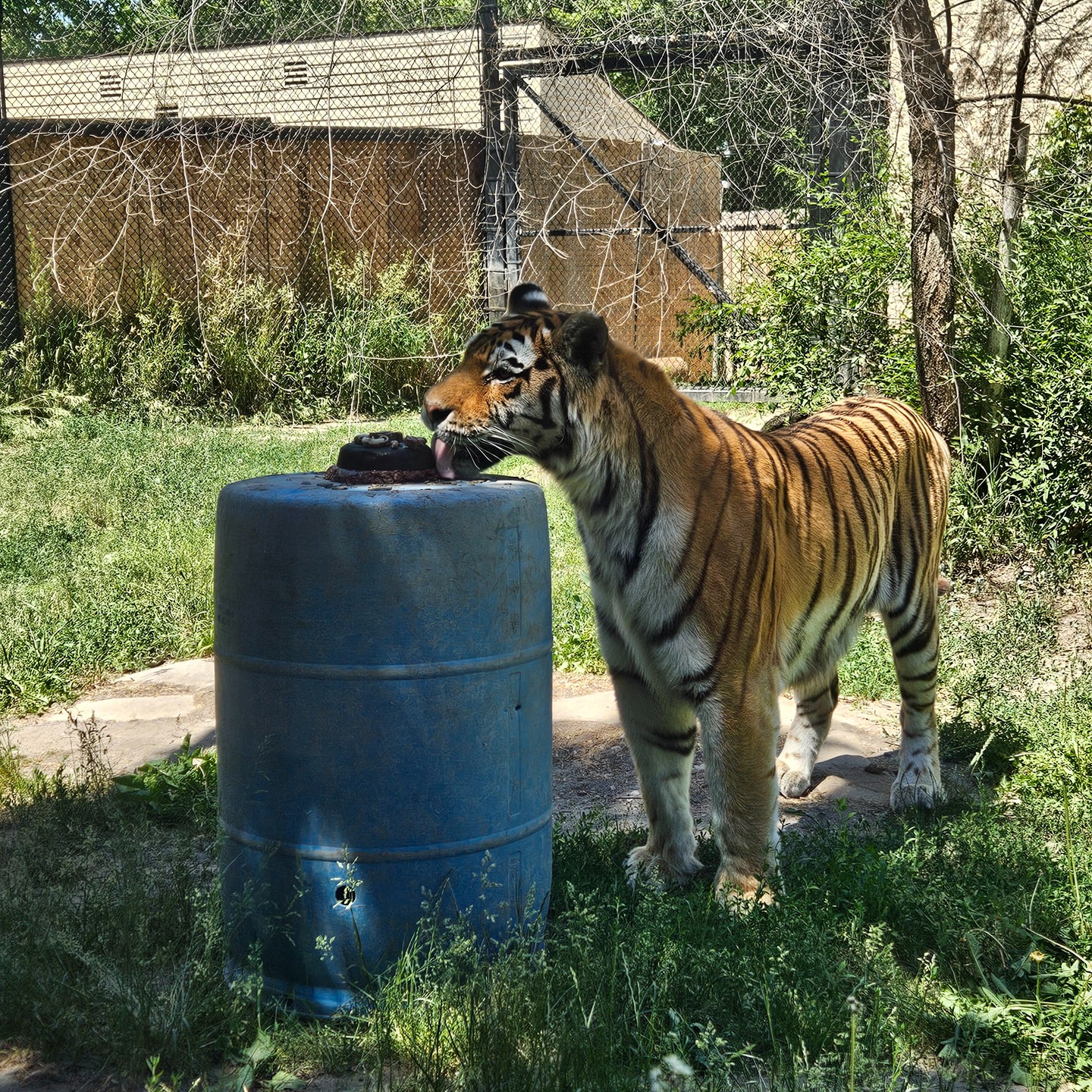
- Celebrating Tiger Akasha’s 15th Birthday: Highlights and Significance
- The Importance of Enrichment and Special Diets for Captive Tigers
- Insights into Tiger Conservation and Zoological Care
- Zoo Management Practices and Their Role in Animal Welfare
- The Role of Zoos in Education and Wildlife Conservation
Celebrating Tiger Akasha’s 15th Birthday: Highlights and Significance
The 15th birthday of Akasha, a revered resident at the zoo, marks a significant milestone. Tigers, as apex predators, typically have a lifespan of 10-15 years in the wild, whereas in captivity, they can live up to 20 years with proper care. Celebrating Akasha’s journey is not only a testament to her longevity but also reflects the dedication of the zoo staff to her wellbeing.
For her birthday, Akasha was treated to a "tiger cake," specially crafted to cater to her nutritional needs. The cake featured a base layer of meat, followed by a blood ice block, and topped with another layer of meat and approved treats. This combination is designed to stimulate her natural hunting instincts, providing both a physical and mental challenge.
Such celebrations are not merely indulgent displays, but crucial elements of animal care. They demonstrate the zoo’s commitment to fostering an enriched environment, promoting natural behavior, and enhancing the quality of life for their animal residents.
The Importance of Enrichment and Special Diets for Captive Tigers
Enrichment is a cornerstone of modern zoo management, with a focus on mimicking the natural behaviors of animals through a variety of activities. For tigers like Akasha, this involves stimulating their predatory instincts, engaging in problem-solving, and encouraging physical exercise.
The "tiger cake" serves as a prime example of dietary enrichment. The blend of meat and a blood ice block is not only nutritious but also promotes natural feeding behaviors. By allowing Akasha to interact with her food, the staff provides a dynamic feeding experience that prevents boredom and reduces stress.
Maintaining a proper diet is vital. Tigers require a diet rich in protein and essential nutrients, typically comprising red meat, bones, and animal organs. Supplements may be added to their meals to ensure comprehensive nutrition. The zoo collaborates with veterinary nutritionists to tailor these diets, reflecting the latest research and dietary guidelines.
Insights into Tiger Conservation and Zoological Care
Tigers are classified as endangered, with fewer than 4,000 left in the wild. Conservation efforts within zoos play a pivotal role in their survival. Institutions contribute to this cause through breeding programs, research, and public education.
Zoos also support anti-poaching initiatives and habitat restoration projects. Breeding programs are particularly crucial, offering a genetic reservoir that may one day bolster wild populations. Akasha’s birthday celebration underscores these conservation endeavors, reminding visitors of the critical need to protect and preserve these majestic creatures.
Zoological care for tigers extends beyond birthdays. Regular veterinary check-ups, environmental enrichment, and psychological support are constant aspects of their routine care. Understanding each tiger’s individual needs allows for personalized care plans, which can lead to healthier, longer lives in captivity.
Zoo Management Practices and Their Role in Animal Welfare
Effective zoo management is integral to animal welfare. This includes facility design, daily animal care routines, and staff training. For tigers, an enclosure must provide space to roam and stimuli resembling their natural habitat.
The zoo staff, including keepers like Tegan, play a vital role in observing the health and behaviors of animals such as Akasha. Trained professionals can identify subtle changes in behavior or health, allowing for prompt intervention.
Staff are also responsible for maintaining the cleanliness of enclosures and ensuring food safety standards. They must adhere to guidelines set by governing bodies, such as the Association of Zoos and Aquariums (AZA), which emphasizes welfare and conservation.
Continuous education and training are essential for zoo staff, as they need to remain informed about the latest advancements in animal care and conservation strategies. By fostering a culture of learning and adaptability, zoos can enhance the lives of animals like Akasha.
The Role of Zoos in Education and Wildlife Conservation
Zoos are invaluable in raising awareness about wildlife conservation. By providing a tangible connection to animals, they educate the public about ecological challenges and inspire conservation action.
Educational programs offer insight into the lives of animals like tigers, highlighting the threats they face, such as habitat loss and poaching. Through interactive exhibits and expert talks, visitors gain a deeper understanding of the natural world.
Zoos also partner with global conservation organizations. These collaborations extend their impact beyond the confines of the zoo, supporting field research and community-based conservation projects across the globe.
Celebrating Akasha’s birthday serves as an opportunity to engage visitors in meaningful conversations about conservation. By showcasing the care and dedication provided to their animals, zoos foster a greater appreciation for wildlife and the importance of protecting endangered species.
The 15th birthday of tiger Akasha highlights the intricate blend of celebration and education at the zoo. By focusing on enrichment, diet, and conservation, zoos not only prioritize animal welfare but also cultivate a broader understanding of the natural world. Through dedicated care and public engagement, these institutions champion the cause of wildlife conservation, creating a legacy that extends far beyond their borders.
*****
Source Description
Happy 15th Birthday to tiger Akasha. 🎂
For her birthday, Akasha got a special “tiger cake”. The bottom layer was meat, the next layer was a blood ice block, and the top was more meat and other approved treats.
📸: Zoo staff Tegan
