
- Importance of Arbor Day in promoting environmental conservation.
- Overview of Lehigh Valley Zoo’s commitment to wildlife habitats.
- Role of partnerships in enhancing zoo facilities and conservation efforts.
- Impact of community involvement on local ecosystems.
- How visitors can contribute to wildlife conservation.
Arbor Day serves as a crucial reminder of the importance of trees and greenery in our environment. This day celebrates nature by encouraging citizens to plant and care for trees. Trees play a vital role in our ecosystem; they produce oxygen, improve air quality, conserve water, preserve soil, and support wildlife habitats. By promoting a culture that values tree planting and maintenance, Arbor Day champions a sustainable future. This year, exciting activities took place, particularly at Lehigh Valley Zoo, where Prologis generously contributed to various projects aimed at enhancing the zoo’s environment.
Lehigh Valley Zoo emphasizes the significance of creating habitats that reflect the natural environments of its animal residents. The zoo understands that animals thrive best when they reside in settings that resemble their original habitats. For instance, big cats require more than an enclosure; they need wide spaces and climbing structures that mimic the trees and terrains of their native landscapes. Likewise, animals like zebras and ostriches benefit significantly from environments replicating their savanna ecosystems. By prioritizing these living conditions, Lehigh Valley Zoo fosters the physical and psychological well-being of its animals. Observing these natural surroundings allows visitors to appreciate not only the beauty of the animals but also the ecosystems they inhabit.
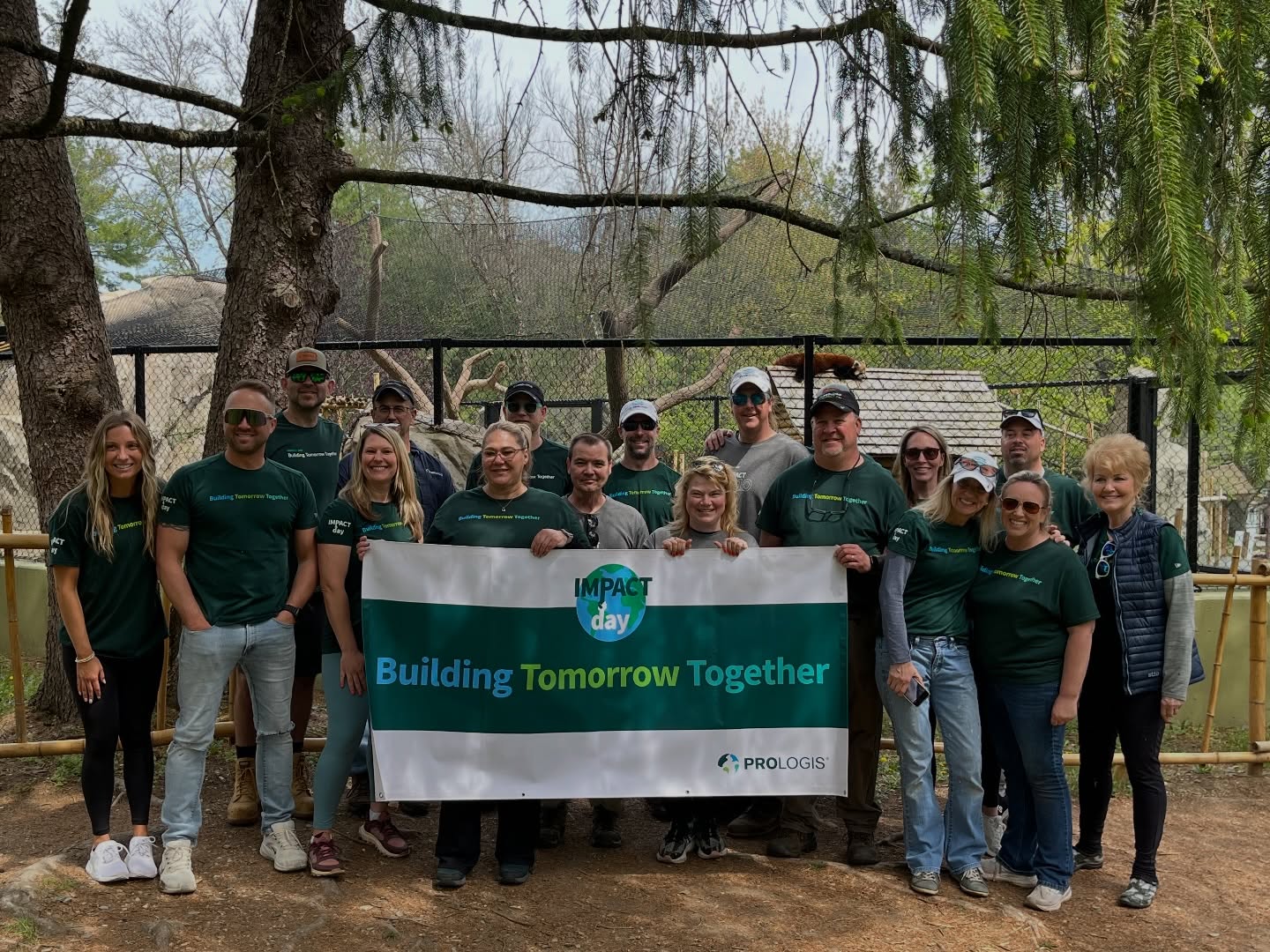
Community partnerships are essential for enhancing zoo facilities and broadening the scope of conservation efforts. Prologis, an integral collaborator, helped with mulching various areas around the zoo. Their dedication to environmental issues extends beyond this one event. By donating paint, painting supplies, mulch, and flower arrangements, Prologis contributes significantly to preserving the aesthetic and ecological quality of the zoo. Such contributions demonstrate how businesses can actively engage in community-driven environmental stewardship. Events like these encourage volunteerism among employees and provide necessary resources for zoos struggling with funding.
Community involvement is pivotal in promoting a healthy local ecosystem. Engaging the public not only raises awareness but also fosters a sense of responsibility towards the environment. When visitors to Lehigh Valley Zoo take the time to observe their surroundings, they become part of a larger conversation about conservation. By recognizing the interdependence of flora and fauna, individuals can cultivate a deeper appreciation for wildlife. Educational initiatives at the zoo also inspire visitors to take what they learn back to their local communities, motivating them to participate in tree-planting events or habitat preservation projects.
Zoo visits serve dual purposes; they provide entertainment and promote conservation. With every ticket purchased, visitors contribute to funding wildlife preservation efforts. The zoo prioritizes programs aimed at educating the public on the importance of conservation and biodiversity. Interactive exhibits and informative signage provide insights into the various habitats represented in the zoo. When community members observe animal behavior in environments reminiscent of their original habitats, they gain a clearer understanding of the species’ needs and the challenges they face in the wild.
For example, the interaction between animals like zebras and ostriches in their respective exhibits illustrates the complexities of ecosystem interdependence. Their habitat embraces flora native to their regions, which serves multiple purposes. The plants provide basic sustenance and shelter for the animals, while also enhancing the aesthetic appeal of the exhibition areas. Such carefully planned environments encourage biological interactions—demonstrating how different species can coexist harmoniously.
The commitment to conservation extends beyond just maintaining the animals at the zoo; it includes proactive measures to protect wildlife in their native environments. Many species face threats such as habitat loss, climate change, and poaching. Lehigh Valley Zoo partners with various organizations to contribute to conservation programs that address these urgent issues. By promoting ecological awareness at the zoo, visitors learn the importance of supporting conservation efforts in various forms—whether through donations, advocacy, or direct actions like volunteering.
On Arbor Day and every day, it’s crucial for individuals to recognize the environment surrounding them. The act of noticing trees, plants, and wildlife enriches our understanding of the ecosystem. Each organism plays a role, contributing to a delicate balance that sustains life. By fostering an appreciation for greenery, particularly trees, communities can become partners in preserving our shared environment.
Education is also key to promoting conservation. The zoo takes an active role in informing the public about the significance of biodiversity. Through zoos, people learn about endangered species and threatened ecosystems, eliciting a shared responsibility to protect them. Programs and workshops encourage participants of all ages to engage with nature, understand environmental challenges, and become informed advocates for wildlife conservation.
Visiting a zoo encourages a sense of curiosity and wonder about wildlife. Many people are unaware of the subtle relationships that exist between different species and their habitats. For instance, educational programs can reveal how certain trees provide shelter for birds or how specific plants are critical for pollination. Each visit to Lehigh Valley Zoo is a chance to connect with these intricate details of biological life.
As urban development expands, many local ecosystems face increasing pressure. Understanding this challenge promotes a greater sense of agency within the community. Small actions, such as planting a tree in your yard or advocating for natural spaces in neighborhood parks, can contribute to larger conservation efforts. Each person’s involvement matters, whether through planting, educating others, or participating in local conservation initiatives.
It’s essential that every community takes note of its green spaces and works to protect and rejuvenate them. Lawn care, urban forestry, and local parks are integral parts of urban ecology. Local wildlife plays a fundamental role in maintaining biodiversity, which is often overlooked. Zoos, through their conservation missions, act as a catalyst for preserving these elements of our environment.
Events like Arbor Day foster collaboration among different stakeholders—businesses, community members, and local institutions—to plant and nurture the seeds of conservation. Companies such as Prologis, through their support, drive home the message that corporate social responsibility matters. When businesses invest in their communities, they contribute to a holistic view of environmental welfare. Such actions position partner organizations as leaders in sustainability.
Each visit to a zoo like Lehigh Valley fosters an empathetic connection with nature. When children wander through habitats, they develop an understanding of wildlife’s critical needs. Encouraging engagement nurtures future generations capable of carrying forward conservation initiatives. By noticing the complexity of ecosystems, children can learn the importance of both individual and collective actions.
Community-driven projects enhance awareness about the necessity of caring for green spaces. Tree planting, gardening, and wildlife monitoring can be embraced by individuals and organizations alike. Such activities not only beautify neighborhoods but also contribute to improved air quality and more significant biodiversity. They serve as tangible efforts toward achieving a healthier environment.
Tree planting and local conservation efforts should be prioritized year-round. Arbor Day is not merely a singular event; it should serve as a launchpad for ongoing initiatives throughout the year. Engaging in projects year-long allows for sustained community involvement in environmental stewardship. The lasting impact of these actions means that individuals can keep contributing to their environment long after Arbor Day has passed.
Visiting Lehigh Valley Zoo isn’t just an enjoyable experience; it’s an investment in conservation. By understanding the importance of habitats and species preservation during such visits, individuals take away valuable lessons. Our friends at Prologis embody this spirit of community engagement, enhancing the natural environment we all share. Visitors leave with an understanding of their role in a broader ecological context.
This Arbor Day, we celebrate not only the trees we have planted but also the relationships we’ve built in service to our environment. Conversations about conservation must be cultivated continuously, inviting broader participation. Nature and wildlife are irreplaceable, and community-wide efforts ensure their preservation for years to come. It is through ongoing dedication to such efforts that we will create a healthier, more sustainable future for local ecosystems and beyond.
*****
Source Description
Happy Arbor Day! Today, our friends from Prologis @prologis joined us today to mulch various locations around the Zoo and painted our Zebra and Ostrich viewing deck. We’re also incredibly thankful for their generous donations of paint and painting supplies, mulch, and flower baskets and flats. Thank you for keeping Lehigh Valley Zoo beautiful! 🌸💚
On Arbor Day and every day, we encourage our community to notice the green. When you visit the animals, take a moment to observe their habitats! This gives you an idea of where they live in nature. At Lehigh Valley Zoo, we’re proud to offer our animals habitats that resemble their natural environment. By visiting us, you’re directly supporting our conservation efforts of those natural habitats!
