
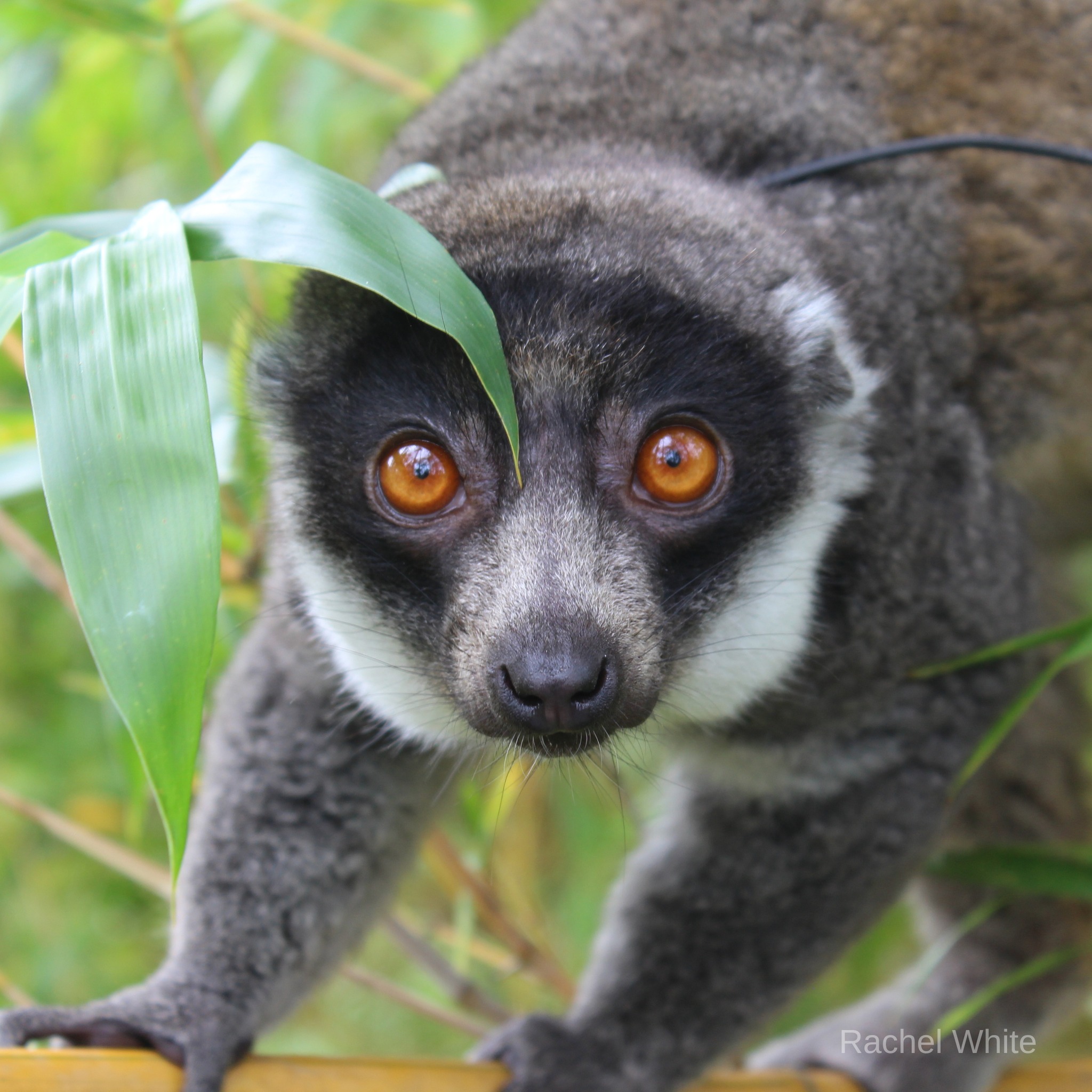
- The biological and behavioral characteristics of mongoose lemurs.
- The significance of animal enrichment in captive environments.
- The role of social structures in lemur communities.
- Insights into the conservation status of the mongoose lemur.
- The importance of public engagement and education in wildlife conservation.
Mongoose lemurs (Eulemur mongoz) are fascinating primates native to Madagascar. They are part of the Eulemur genus, which includes several other lemur species. Lusia, the female mongoose lemur spotlighted this week, displays many of her species’ characteristics. This species weighs between 3.5 to 4.5 kg (7.7 to 9.9 lbs) and exhibits sexual dimorphism; males tend to be slightly larger than females. Lusia’s distinctive fur coloration complements her active, bright personality. The front half of her body is often grayish-brown, while the back half tends to be a lighter, tawny shade.
Mongoose lemurs are known for their agility and adaptability. They inhabit various environments, from the dense rainforests to dry deciduous forests in Madagascar. Their diet primarily consists of fruits and leaves, supplemented by insects when available. This diet illustrates their role in their ecosystems, as they help in seed dispersal, facilitating forest regeneration.
Behaviorally, Lusia showcases the adventurous and extroverted traits typical of mongoose lemurs. Her caretakers at the Lemur Conservation Foundation (LCF) have observed that she is curious and playful, exploring her surroundings with enthusiasm. Lusia often engages in social play, which is critical for social bonding and learning among her groupmates. This characteristic makes her a beloved resident at the foundation, reflecting the innate qualities of her species.
Animal enrichment is crucial for the well-being of captive animals. It promotes physical activity and mental stimulation, preventing boredom and stress-related behaviors. Lusia frequently participates in enrichment activities, eagerly investigating new toys or changes in her habitat. These activities can range from puzzle feeders to climbing structures. Through these stimulating experiences, caretakers provide an environment that fosters natural behaviors.
Enrichment isn’t just a recreational activity; it is a vital aspect of animal welfare. Various studies have shown that animals provided with enrichment typically display better physical health, reduced stress levels, and more natural behaviors. For instance, when Lusia engages with her environment, it mimics the exploration she would undertake in the wild. This aligns with her natural instincts and contributes significantly to her overall well-being.
Lusia shares her habitat with Mateo, another mongoose lemur, which highlights the importance of social structures in lemur groups. Mongoose lemurs are primarily social animals, often found in small groups. These groups provide safety against predators and enhance collaborative foraging. The mutual grooming that occurs within groups also strengthens social bonds. Lusia frequently cuddles with Mateo, underscoring not just their companionship but also the importance of social interactions for emotional health.
In addition to their social dynamics, the conservation status of mongoose lemurs is a topic that demands attention. Currently, they are classified as “Vulnerable” on the IUCN Red List. The primary threats they face include habitat destruction caused by deforestation, hunting, and the illegal pet trade. Madagascar’s unique ecosystems are under severe pressure, raising critical concerns about the survival of native species like Lusia.
Conservation efforts for mongoose lemurs and their habitats can take different forms. Captive breeding programs, like those at the LCF, aim to maintain healthy populations and educate the public about the threats faced by these primates. Such educational initiatives play a significant role in fostering empathy and awareness among visitors at zoological institutions. By understanding the plight of mongoose lemurs, individuals are more likely to participate in conservation efforts and make informed choices that benefit biodiversity.
Public engagement is crucial for effective wildlife conservation. Support from the community can influence policy changes and funding for conservation projects. Educating visitors about the unique behaviors and ecology of mongoose lemurs can inspire future generations of conservationists. Interactive exhibits, informative talks, and the opportunity to observe Lusia can transform passive observers into active advocates for wildlife.
Moreover, collaborations between various organizations enhance conservation strategies. These partnerships can provide resources and expertise to tackle alarming issues such as habitat loss or climate change. Individuals seeking to contribute to wildlife conservation can do so by supporting reputable organizations focused on preserving lemurs and their habitats, taking part in awareness campaigns, and advocating for sustainable practices.
In the same vein, understanding the biological and behavioral aspects of mongoose lemurs fosters a deeper appreciation for these creatures. Capturing the essence of Lusia’s personality provides a glimpse into the intricate lives of these animals and demonstrates the need for continued efforts to protect them. As more people become aware of the challenges faced by mongoose lemurs, they can contribute to solutions that enhance conservation efforts.
Animal welfare and conservation are intricately linked. As seen with Lusia, the conditions and care provided in captivity can significantly impact an animal’s quality of life. The experience shared between Lusia and Mateo serves as a reminder of the emotional complexities of animals. Ensuring that these primates continue to thrive in both captive and wild environments is essential for sustainable conservation.
With Lusia at the forefront, we highlight the interconnectedness between animal welfare, conservation, and public education. Through understanding the unique attributes of mongoose lemurs and their challenges, we foster a more informed and compassionate world. Each Friday’s spotlight not only celebrates individual animals but also emphasizes the collective responsibility we bear toward wildlife conservation.
This ongoing narrative is more than just the story of a single lemur. It encapsulates the broader dialogue around conservation, animal welfare, and the essential role that humans play. With supporters, caretakers, and educators all committed to this cause, we can bring about meaningful change for mongoose lemurs like Lusia. Each interaction and engagement emphasizes our shared stewardship for all wildlife and the environments they inhabit.
Stay tuned as we continue to shine a light on the remarkable lives of lemurs, inspiring guests to take part in conservation and cultivate a deeper understanding of these incredible animals. Our journey doesn’t end here; it unfolds every week as we delve deeper into the lives of these fascinating creatures, amplifying awareness for their preservation. Join us next Friday for another enlightening installment featuring one of LCF’s beloved lemurs.
*****
Source Description
It’s ! Every Friday, we want to give one our lemurs the spotlight. This week’s feature is the lovely Lusia!
Lusia is a female mongoose lemur (E. Mongoz) who lives with her groupmate, Mateo. Luisa is certainly a character at LCF—her caretakers know her for her adventurous and extroverted personality and affinity for stealing a snack. Though Luisa is often exploring her surroundings and engaging with enrichment, she will always find time to cuddle Mateo.
Stay tuned for next week’s feature Friday!
