
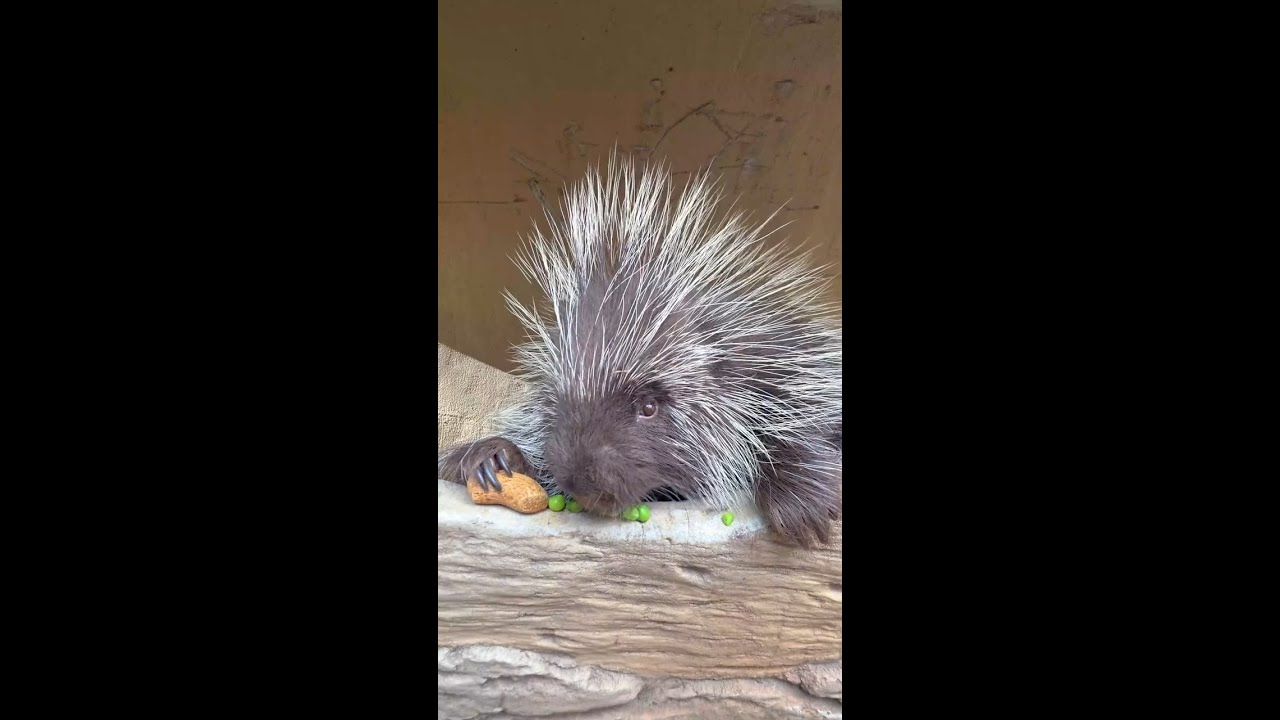
- Introduction to Aurora, the porcupine princess, and her significance in the zoo community.
- Details about porcupines, focusing on their biology, habitat, and behavior.
- Insights into zoo management practices for caring for porcupines like Aurora.
- The role of wildlife conservation efforts in protecting porcupine species.
- Understanding the educational and environmental impact of zoos and conservation programs.
Aurora, affectionately known as the porcupine princess, recently celebrated her birthday, offering a delightful occasion to delve into the fascinating intricacies of porcupine biology and the vital role these creatures play in our ecosystems. Aurora represents not just her species but the commitment to wildlife education and conservation within the zoo environment. With her quills and inquisitive demeanor, she captivates both visitors and handlers, serving as a symbolic link to broader discussions around biodiversity and environmental stewardship.
Porcupines are members of the rodent family, renowned for their protective quills, which are modified hairs embedded with keratin. Globally, there are around 29 species, predominantly found in two families: the Hystricidae of the Old World and the Erethizontidae of the New World. Aurora, like many others, boasts a robust set of sharp quills that are instrumental in deterring predators. These quills are not thrown, as sometimes imagined, but are released upon contact, providing a formidable defense mechanism.
Porcupines typically inhabit woodlands, deserts, and grasslands. They are primarily nocturnal, and their herbivorous diet comprises leaves, herbs, twigs, and green plants. Some species also indulge in bark and fruit. Their unique digestive systems allow them to thrive on a variety of plant materials. Social behaviors vary among species; some are solitary while others display social tendencies, particularly in mating seasons.
Caring for a porcupine like Aurora in a zoo setting involves specific expertise. Zoo management requires a comprehensive understanding of their dietary needs, social behaviors, and habitat requirements to replicate their natural environment as closely as possible. Enclosures are designed to encourage natural behaviors, providing plenty of room for exploration and stimulation. Aurora’s diet at the zoo includes a carefully curated selection of fruits, vegetables, and specially formulated pellets to mimic her natural nutritional intake.
Zoo staff also monitor behaviors and health indicators to preemptively address potential health issues. Regular health checks, enrichment activities, and training programs are integral components of zoo management, ensuring animals like Aurora lead healthy and active lives. Enrichment activities might include puzzle feeders or scent trails to engage her natural foraging instincts.
Wildlife conservation is a cornerstone of modern zoological practice. Porcupines, like Aurora, benefit from conservation programs aimed at preserving gene pools and supporting wild populations. Conservation efforts often extend beyond zoo walls, including habitat preservation, anti-poaching initiatives, and community education programs. Zoological institutions collaborate with global conservation organizations to provide resources and research that aid in the protection of porcupine habitats, addressing threats such as deforestation and habitat fragmentation.
The presence of animals like Aurora in zoos plays an indispensable role in education and environmental advocacy. Zoos offer immersive experiences that cultivate a deeper understanding of animal behaviors and the interconnectedness of ecosystems. They are forums for public education, drawing attention to the challenges faced by many species and the actions needed to protect them. Educational programs often engage children and adults alike, instilling a sense of responsibility and activism toward wildlife conservation.
Aurora’s birthday not only celebrates one remarkable animal but also underscores the contributions of zoological institutions to biodiversity and learning. Celebrations like these highlight the balance between captivating public interest and advancing scientific understanding. By experiencing wildlife firsthand, visitors develop a personal connection that translates into broader support for conservation initiatives.
Zoological staff work tirelessly to ensure that animals like Aurora are ambassadors for their wild counterparts. The challenges and successes encountered in keeping and breeding such animals provide invaluable insights that inform and strengthen global efforts to conserve wildlife. By supporting zoos and conservation programs, people contribute to a legacy of preserving nature for future generations.
Aurora’s presence at the zoo exemplifies the dedication required to maintain healthy, thriving animal populations in captivity. Through careful research, diligent care, and proactive conservation efforts, zoos play a pivotal role in safeguarding the natural world. As we honor Aurora, the porcupine princess, we reflect on the collective importance of maintaining harmony between human populations and the diverse species that share our planet.
*****
Source Description
Aurora is turning 10 and celebrating the best way she knows how… snacks, snacks and more snacks! 😋
Drop a 🫛 in the comments to give Aurora another treat to munch on and wish her a happy birthday!
