
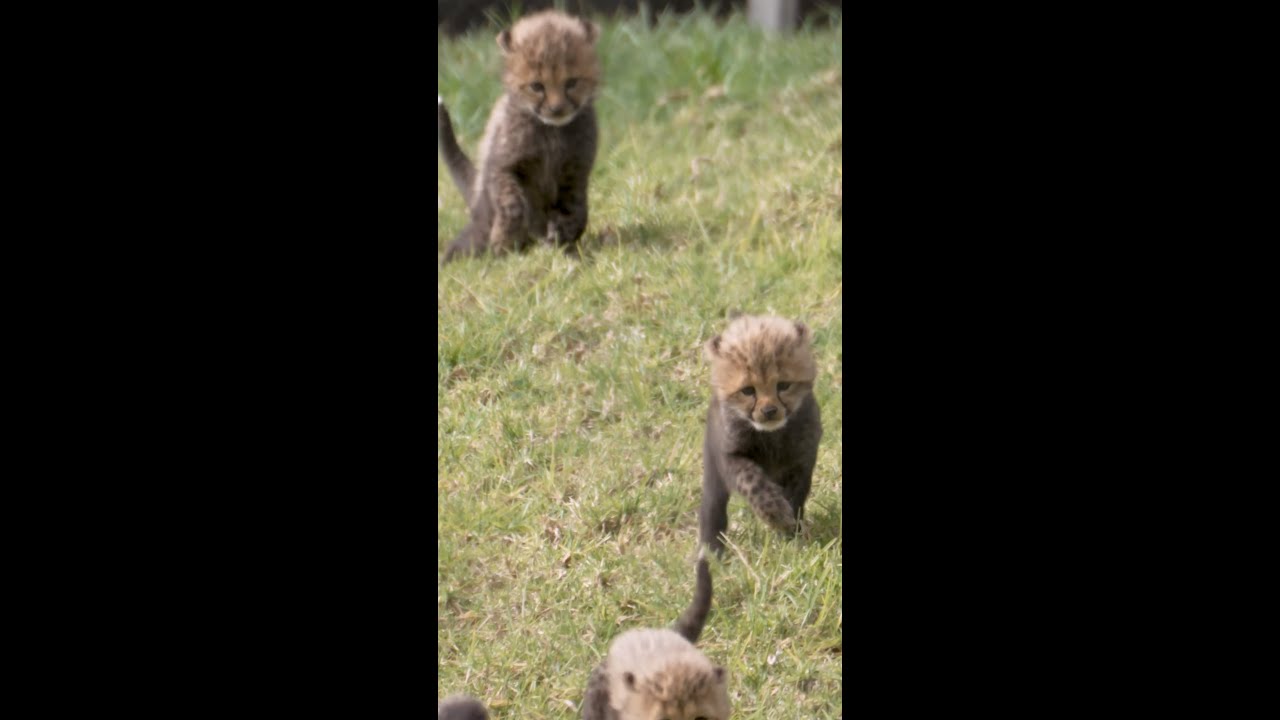
- Overview of Lil Leapers 🐆 and its significance in modern zoology and conservation efforts.
- Characteristics and adaptive behaviors of small leaping animals.
- Role of zoos in conservation and education outreach related to Lil Leapers 🐆.
- Techniques in zoo management for creating enriching habitats.
- Contributions of Lil Leapers 🐆 to global biodiversity and ecological balance.
Lil Leapers 🐆 represents a fascinating focus within modern zoology and conservation initiatives, encapsulating the dynamic relationship between small leaping animals and their ecosystems. These creatures are not just integral components of biodiversity but also serve as critical indicators of environmental health. In the quest to understand their role, it’s vital to delve into their physical characteristics, adaptive behaviors, and the overarching efforts to ensure their survival and propagation.
Small leaping animals, often characterized by their agility and unique biomechanics, showcase specialized adaptations that allow them to thrive in diverse habitats. They possess powerful hind limbs relative to their body size, enabling swift, high jumps that are essential for escaping predators and traversing challenging terrains. Their compact builds and efficient energy use make them exemplary models of evolutionary adaptation.
Zoos play a pivotal role in educating the public about Lil Leapers 🐆, emphasizing both their ecological significance and the challenges they face. These institutions provide a platform for raising awareness about the conservation needs of small leaping animals and highlight the consequences of habitat destruction and climate change. Through innovative outreach programs, zoos foster a deeper understanding and appreciation among visitors, encouraging conservation-minded behaviors.
Creating enriching environments for Lil Leapers 🐆 in zoological settings involves precise zoo management techniques. Crafting habitats that mimic natural conditions is crucial. This includes using varied landscape features, such as rocks and vegetation, to stimulate natural behaviors. Enrichment activities that encourage physical exercise and mental stimulation are also vital, catering to the animals’ need for exploration and interaction.
The global biodiversity and ecological balance are significantly impacted by small leaping animals. These creatures play a critical role in pollination, seed dispersal, and as prey for larger predators. Their presence in an ecosystem helps maintain a delicate balance, reflecting the health of the environment. As such, their conservation contributes to preserving various other species and ecological functions.
Lil Leapers 🐆 highlights the intricate connections within ecosystems and underscores the importance of ongoing conservation efforts. By supporting these endeavors, we ensure that future generations can continue to learn from and be inspired by these remarkable animals. Through concerted efforts in research, education, and habitat preservation, we pave the way for a more sustainable coexistence with these leaping wonders.
*****
Source Description
