
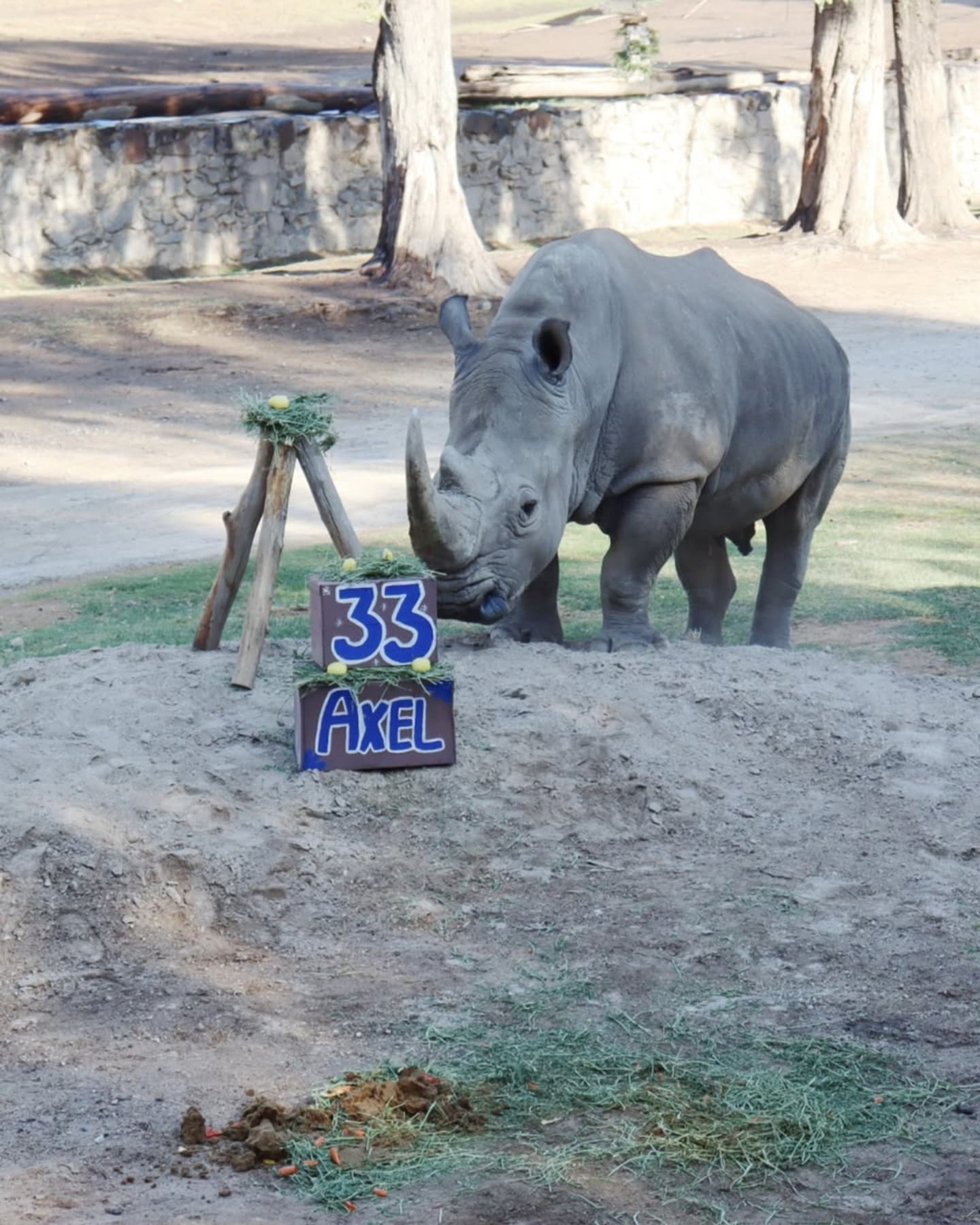
- Axel, the white rhinoceros, symbolizes conservation efforts through specially designed dietary enrichment.
- White rhinoceroses face extinction threats; each individual’s care is vital for education and conservation.
- Enrichment activities boost rhinoceroses’ welfare by encouraging natural behaviors and sensory stimulation.
- Zoological management practices play a critical role in wildlife conservation and species education.
- The role of zoos in global conservation efforts highlights the need for professional care and community engagement.
Axel, nuestro querido rinoceronte blanco, ha become a beacon of hope and education in the conservation community. Celebrating Axel with a special dietary enrichment serves multiple purposes, enhancing his life while educating the public about the pressing need for rhinoceros conservation. This focus on dietary enrichment involves a sophisticated understanding of Axel’s nutritional requirements combined with activities that engage him physically and mentally.
White rhinoceroses, like Axel, are perilously close to extinction. Wars, poaching, and habitat destruction have drastically reduced their numbers. In such a precarious situation, every captive rhinoceros becomes a symbol of survival and a genetic reservoir. Axel’s life under professional care exemplifies the vital role that zoos play in species conservation. Not only are these institutions safe havens for animals, but they also function as educational platforms to promote wildlife conservation.
Enrichment is a cornerstone for the well-being of animals like Axel. Enrichment encompasses various strategies and techniques aimed at enhancing animal welfare by stimulating naturalistic behaviors and senses. For rhinoceroses, this includes not just food variety but also the presentation of that food, which can mimic the foraging challenges they would face in the wild. Whether it’s using scented bales of hay or hiding treats around their environment, these activities keep animals mentally agile and physically active.
Professional zoo management is essential in maintaining the health and vitality of captive rhinoceroses. This involves a team of veterinarians, nutritionists, and animal behaviorists who work collaboratively to develop enrichment schedules tailored to each animal’s specific needs. For Axel, this means understanding his dietary preferences and nutritional needs while also incorporating sensory and cognitive tasks that stimulate his natural behavior. The aim is not only to meet his basic survival requirements but to provide a quality of life that approaches that of the wild.
The broader role of zoos goes beyond just caring for animals like Axel. They engage in global conservation efforts by participating in breeding programs, habitat restoration, and anti-poaching initiatives. Axel embodies these efforts, serving as an ambassador for his species and a focal point for public education campaigns. Zoos collaborate internationally, sharing knowledge and resources to enhance conservation strategies and provide comprehensive care.
White rhinoceroses are a charismatic species, drawing public attention and funding for conservation projects. By leveraging this appeal, zoos can build public awareness about wildlife protection and ecological stewardship. Axel’s presence in the zoo encourages visitors to learn more about the threats facing his species and the importance of maintaining biodiversity. Through interactive exhibits and educational programs, zoos connect people with nature and inspire future conservationists.
Axel’s dietary enrichment underscores the importance of personalized care in modern zoological practices. By focusing on specialized diets and enrichment activities, zookeepers can significantly enhance an animal’s physical health and psychological well-being. These efforts are critical in preserving the genetic diversity and continuity of threatened species. The goal is to create a nurturing environment that imitates natural habitats, fostering both survival and reproduction.
The education and conservation messages conveyed through Axel’s care are powerful. They remind us of the tremendous responsibility we hold toward preserving the planet’s biodiversity. Each visit to the zoo becomes an opportunity to learn, engage, and act in favor of conservation. Through continued efforts and outreach, Axel and others like him play a crucial role in shaping a more sustainable future for all wildlife.
Axel’s situation is illustrative of the broader challenges faced by endangered species worldwide. The work done in zoos bridges the gap between captivity and the wild, providing critical insights into species conservation under controlled conditions. This knowledge is invaluable, offering hope for reintroduction and recovery efforts aimed at restoring populations in their natural habitats.
Thus, Axel, nuestro rinoceronte blanco, represents more than just an individual’s story; he embodies the collective effort to ensure a thriving future for rhinoceroses. His care and enrichment illustrate the best practices in zoos today, prioritizing animal welfare and conservation. Through ongoing dedication and innovation, zoos continue to be pivotal players in the global mission to save endangered species from extinction.
*****
Source Description
Así celebramos a Axel, nuestro rinoceronte blanco, con un enriquecimiento alimenticio especial. 🦏 🎂🌿
🌍 Los rinocerontes blancos están cercanos a la amenaza de extinción, y cada individuo bajo cuidado humano profesional es clave para la educación y conservación de su especie.
🐾 El enriquecimiento es fundamental para su bienestar, ya que estimula sus sentidos, fomenta sus comportamientos naturales y mejora su calidad de vida. 📸💙
