
- Understanding Canada Day: Historical Background and Celebrations
- The Role of Zoology in Canadian Wildlife Conservation
- Enhancing Zoo Management Practices in Canada
- Integrating Wildlife Conservation Efforts with Public Education
- Canada Day’s Impact on Zoological and Environmental Awareness
Celebrating Canada Day offers a unique opportunity to explore national heritage and cultural activities across the country. This holiday, observed on July 1st, commemorates the Canadian Confederation’s birth in 1867, when the British North America Act united the provinces of Nova Scotia, New Brunswick, and the Province of Canada into one nation. Festivities across the country include fireworks, parades, and concerts, demonstrating the country’s rich and diverse cultural fabric.
Understanding the history of Canada Day not only highlights its significance as a symbol of national unity but also allows us to appreciate the myriad ways in which Canadians celebrate their country’s achievements. Schools, communities, and governmental institutions engage in various events, fostering an understanding of Canadian history and values. Public participation in these events reflects a shared commitment to national pride.
Canada Day provides an opportune moment to highlight the interconnectedness of cultural pride and environmental consciousness. As people gather to celebrate, they often become more attuned to the intricate beauty of Canada’s natural landscapes and wildlife, igniting discussions around conservation and sustainable practices.
Zoology, as a scientific discipline, plays an essential role in facilitating wildlife conversation in Canada. The study of animal biology helps identify critical conservation priorities by understanding species behavior, genetics, and ecosystems. Canadian wildlife is renowned for its diversity, encompassing species such as moose, beavers, and polar bears. This diversity requires robust scientific knowledge to protect and manage these animals effectively.
Research conducted by zoologists aids in developing protective measures addressing threats like habitat loss, climate change, and human interference. For instance, studies show that polar bears are increasingly vulnerable to diminishing sea ice habitats due to climate change. Such findings urge policymakers to implement strategies to ensure the species’ survival.
Canada Day celebrations can incorporate educational activities where citizens learn about zoological research and its implications for wildlife conservation. Zoos and wildlife parks play a pivotal role in this education process as they serve as accessible venues bridging the gap between scientific research and public awareness.
Enhancing zoo management practices is crucial to optimizing the role of zoos in conservation. Modern zoo management in Canada focuses on creating environments that mimic natural habitats, promoting animal well-being while allowing for public viewing and education. Advances in technology and animal care have transformed zoos into centers for conservation, research, and education.
Accredited zoos adhere to stringent guidelines and standards, emphasizing animal health, enrichment, and sustainable breeding practices. They engage with global networks to exchange knowledge and collaborate on conservation projects, thus contributing to worldwide wildlife preservation. Canada Day events offer an excellent platform for zoos to highlight their conservation initiatives, encouraging public engagement and support.
Efforts to integrate wildlife conservation with public education on Canada Day can stimulate community involvement in conservation efforts. Educational programs, workshops, and guided tours conducted in zoos and national parks foster a deeper understanding of biodiversity. Visitors gain insights into the challenges and triumphs in wildlife conservation, inspiring collective responsibility towards environmental stewardship.
Zoos often collaborate with local schools and community groups, offering resources and programs that enhance knowledge about ecological balance. Expressing such themes on Canada Day, when national attention is focused on national pride and cultural heritage, can enhance environmental awareness.
Moreover, zoological institutions engage in outreach efforts to educate the public about the importance of species conservation. They host events demonstrating how individual actions can impact the broader environmental picture, thereby motivating personal responsibility towards sustainable living practices.
Canada Day can significantly impact zoological and environmental awareness by creating a unified call to action for conservation. The holiday encourages reflection on the relationship between national identity, cultural values, and environmental responsibility. It serves as a reminder of the collective duty to conserve natural resources and biodiversity for future generations.
Through active participation in Canada Day festivities, citizens become more conscious of their role in preserving the environment. Whether attending an educational exhibit at a zoo or participating in community conservation initiatives, the impact of this awareness can have lasting effects.
In conclusion, Happy Canada Day symbolizes much more than a celebration of national unity. It is a day of reflection, education, and commitment to the natural world. By embracing the role of zoology, enhancing zoo management, and fostering public education, Canadians take significant strides in protecting their rich and diverse wildlife heritage.
*****
Source Description
Happy Canada Day 🍁
We join all Canadians in celebrating our country – one filled with strength, diversity, and shared commitment to a better future. For 158 years, our country has been a source of unity for all, representing the values we hold dear: resilience, stewardship, and a deep connection to the natural world.
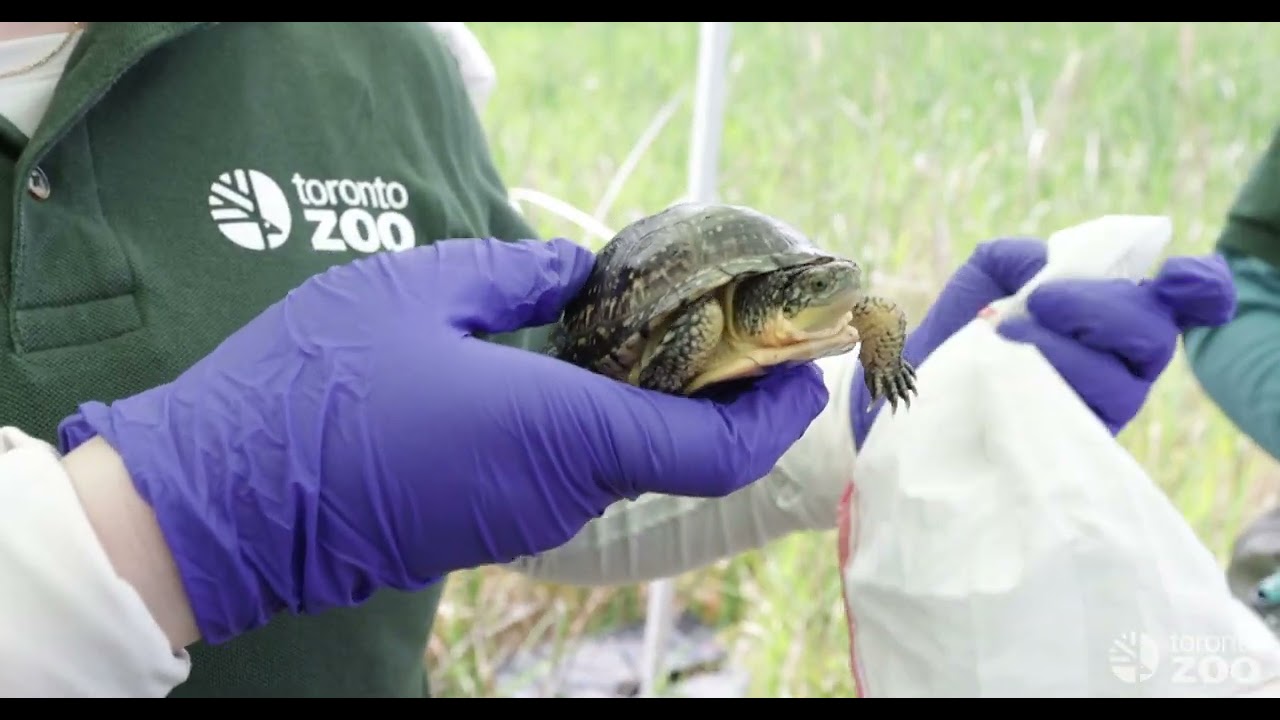
Here at your Toronto Zoo, we’re proud to play a leading role in the conservation and protection of Canadian species through science, education, and partnership. Our work has allowed us to reintroduce endangered species like the Vancouver Island Marmot and the Blanding’s turtle to their native habitats. We will continue playing an active role in protecting the incredible wildlife and wild spaces that make this country so special – inspiring action for the conservation of species both here at home and around the world.
Today, we don’t just recognize Canada as a country or a point on a map. We celebrate what our incredible country stands for – hope, responsibility, diversity and generosity of spirit 🇨🇦
