
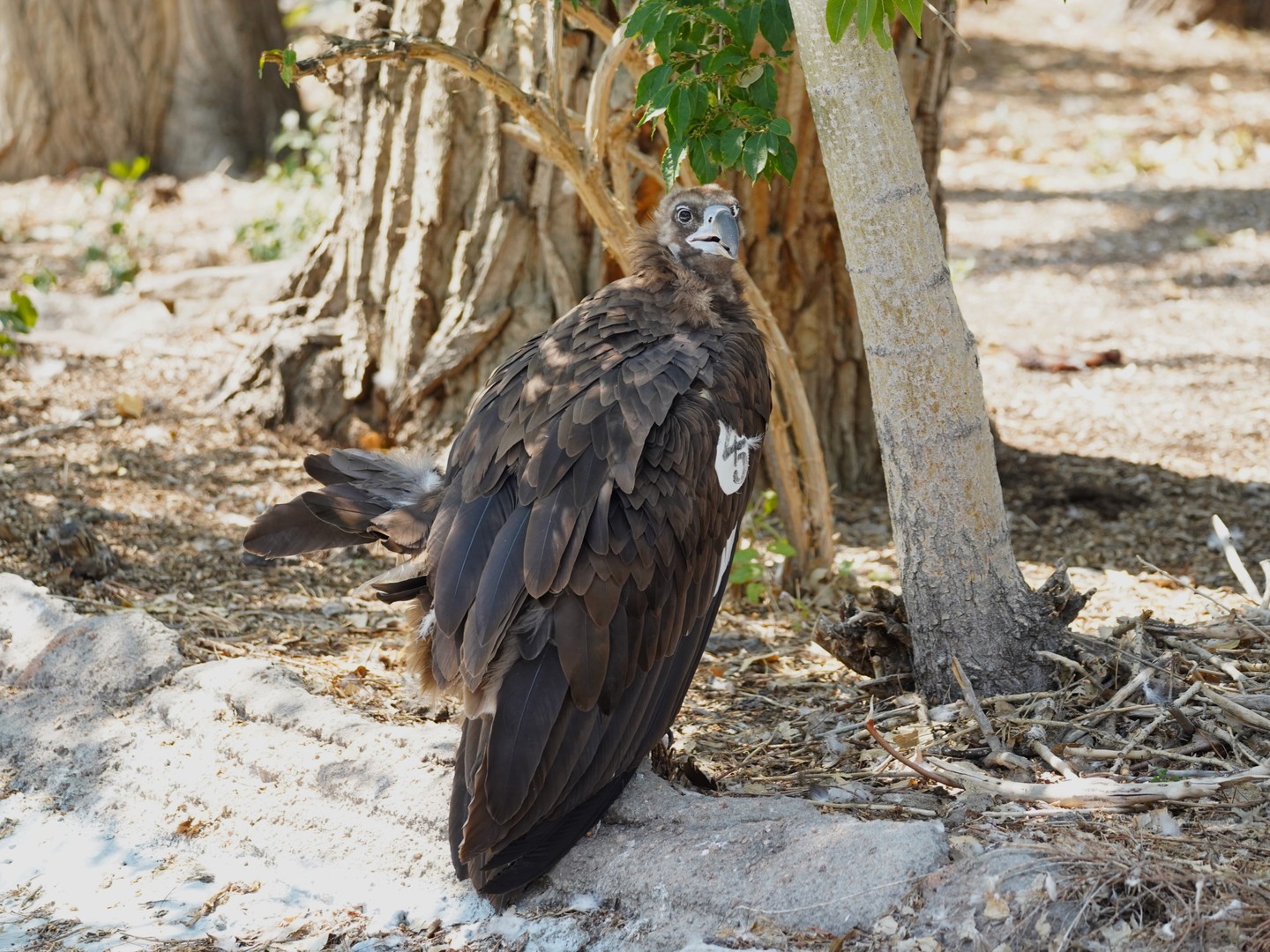
- Profile of Aztai and Drogo: Their backgrounds and roles at the conservation center
- Rescue and Rehabilitation: Aztai’s journey from Mongolia to Denver
- Biology and Behavior of Cinereous Vultures: Insights into their ecological significance
- Conservation Efforts: International collaboration and local impact
- Community Engagement: How public involvement and education enhance conservation
Aztai and Drogo, our cinereous vultures, embody the spirit of resilience and conservation. This month marks a significant milestone as Aztai turns 15 and Drogo celebrates his 12th birthday. These majestic birds, with their impressive wingspans and commanding presence, serve as crucial ambassadors in our conservation efforts.
Aztai’s life is a testament to the power of rescue and rehabilitation. Born in the vast landscapes of Mongolia, she faced a dire situation as a chick with a severe wing fracture. Her name, fittingly meaning "lucky" in Mongolian, reflects her survival against the odds. Discovered by conservationists from the Denver Zoo Conservation Alliance (DZCA), Aztai’s initial care was provided by local partners in Mongolia. Her journey to Denver in 2012 marked a new chapter, providing her with a safe environment while raising awareness about international conservation challenges.
Cinereous vultures, among the largest birds of prey, play a vital role in ecosystems by scavenging and controlling disease spread. They can be identified by their dark plumage and massive size, with wingspans reaching up to 10 feet. Their strong social structure involves complex communication and cooperative behaviors, crucial for their survival in diverse habitats. Understanding these behaviors is essential for effective conservation strategies.
The preservation of cinereous vultures hinges on global collaboration. Efforts to protect their habitats in Asia and Europe require comprehensive strategies that include habitat restoration, anti-poisoning programs, and engagement with local communities. Aztai exemplifies how international partnerships can leverage resources and expertise to achieve significant results. By thriving in Denver, Aztai also symbolizes hope and serves as an educational tool to teach future generations about biodiversity.
Community involvement is a cornerstone of conservation success. Public education programs and volunteer initiatives engage people of all ages, fostering a deeper connection to wildlife and inspiring stewardship. Photographers like Joan Reedy and Emma Duffy capture moments that resonate with audiences, enriching the narrative of our conservation mission. Learning from Aztai and Drogo, visitors gain insights into the critical role vultures play and how they can actively participate in conservation initiatives.
Cinereous vultures like Aztai and Drogo are more than just captivating animals. They are integral to the ecosystems they inhabit and influential figures in global conservation efforts. As we celebrate their birthdays, we also recognize the importance of continued commitment to wildlife protection and the role each of us plays in those efforts.
*****
Source Description
It’s a big birthday month for our cinereous vultures! Aztai is turning 15 and Drogo is turning 12! 🦅🎉
Aztai has a powerful rescue story that began in Mongolia, where DZCA conservationists found her as a four-month-old chick with a severely fractured wing. She was given the name “Aztai,” which means ‘lucky’ in Mongolian, and lovingly cared for through the harsh winter by our local partners. Since she couldn’t survive in the wild with a permanent wing injury, Aztai was brought to Denver in 2012 where she now thrives as both an animal ambassador and a symbol of our international conservation efforts. You can spot her by the tag on her wing as she explores the yard alongside her companion, Drogo.
Come celebrate this majestic pair and learn more about these incredible avian scavengers.
📸: Volunteer Photographers, Joan Reedy and Emma Duffy
