
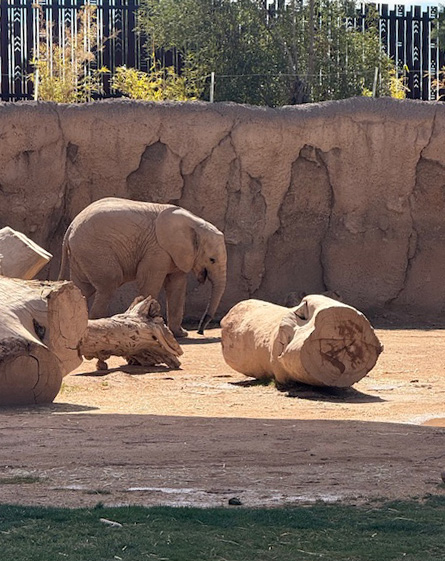
- The significance of engaging zoo visitors in conservation through interactive media.
- The role of zoos in wildlife conservation and education.
- Highlighting the contributions of zoo guests, like Rosalinda Trillo Clerry, in spreading awareness.
- The impact of photography in enhancing visitor experiences and promoting wildlife appreciation.
- Practical ways for the public to contribute to wildlife conservation efforts.
Zoos have long served as a bridge between urban life and the natural world, offering a glimpse into diverse ecosystems and the creatures that inhabit them. In recent years, they have increasingly embraced interactive and digital media to deepen visitor engagement and promote conservation awareness. This strategy not only enhances visitor experience but also transforms individuals like Rosalinda Trillo Clerry into active participants in conservation efforts. Her photos, shared on Facebook, exemplify how the public’s involvement can inspire others and foster a community dedicated to preserving wildlife.
The strategic use of digital platforms allows zoos to reach a broader audience. By encouraging visitors to share their photographs and experiences, institutions can create a continuous dialogue about the importance of wildlife conservation. This engagement is crucial as it extends the educational reach beyond the confines of the zoo and into the daily lives of the audience. By utilizing platforms like Facebook, zoos can amplify their message and nurture a community of conservation advocates.
Zoos have evolved from mere exhibits of captive animals to dynamic centers for education and conservation. The primary mission of modern zoos encompasses crucial activities such as breeding endangered species, conducting scientific research, and educating the public about biodiversity. These initiatives require a delicate balance between public display and conservation efforts, often involving multidisciplinary teams of scientists, educators, and animal care experts.
The participation of zoo guests in these conservation efforts is invaluable. Contributions from visitors, such as the stunning photos submitted by Rosalinda Trillo Clerry, provide unique perspectives that can captivate and educate a wider audience. These images serve as a powerful tool for awareness, allowing people to connect with animals on a personal level, thereby fostering empathy and understanding.
Photography plays a pivotal role in enhancing zoo experiences. Capturing moments of animal behavior and sharing them with the wider world allows others to appreciate the true beauty and complexity of wildlife. These images have the potential to transcend geographical boundaries, bringing the plight and wonders of animals into the homes and hearts of people everywhere. They serve as visual narratives that can inspire action and support for conservation initiatives.
For the public interested in contributing to wildlife conservation, participating in programs and initiatives offered by zoos is vital. Many institutions provide volunteer opportunities, citizen science projects, and educational workshops. These programs not only provide vital support to the zoo but also empower individuals by giving them hands-on experience in conservation work.
Active participation in wildlife conservation does not end with visiting zoos. Individuals can also make daily choices that positively impact the environment. Supporting sustainable products, reducing waste, and promoting biodiversity-friendly practices in communities are some ways to contribute. Sharing experiences and knowledge gained from zoos via social media platforms further amplifies these efforts, encouraging a larger audience to partake in conservation activities.
The role of zoos in wildlife conservation is crucial, extending far beyond public entertainment. They have become custodians of biodiversity, working tirelessly to protect endangered species and educate the masses. By engaging the public through photography and social media, zoos can harness the power of collective action in promoting environmental sustainability.
In summary, the collaboration between zoo visitors and institutions, exemplified by individuals like Rosalinda Trillo Clerry, showcases a successful model of community-driven conservation awareness. By leveraging digital media and encouraging personal contributions to wildlife documentation, zoos can effectively expand their reach, foster a deeper understanding of conservation challenges, and motivate tangible action towards preserving the natural world.
*****
Source Description
Let’s get ready for the weekend with this These great photos were turned in by Zoo Guest Rosalinda Trillo Clerry on Facebook. Share your photos with us by sending us a DM — you could be featured next!
