
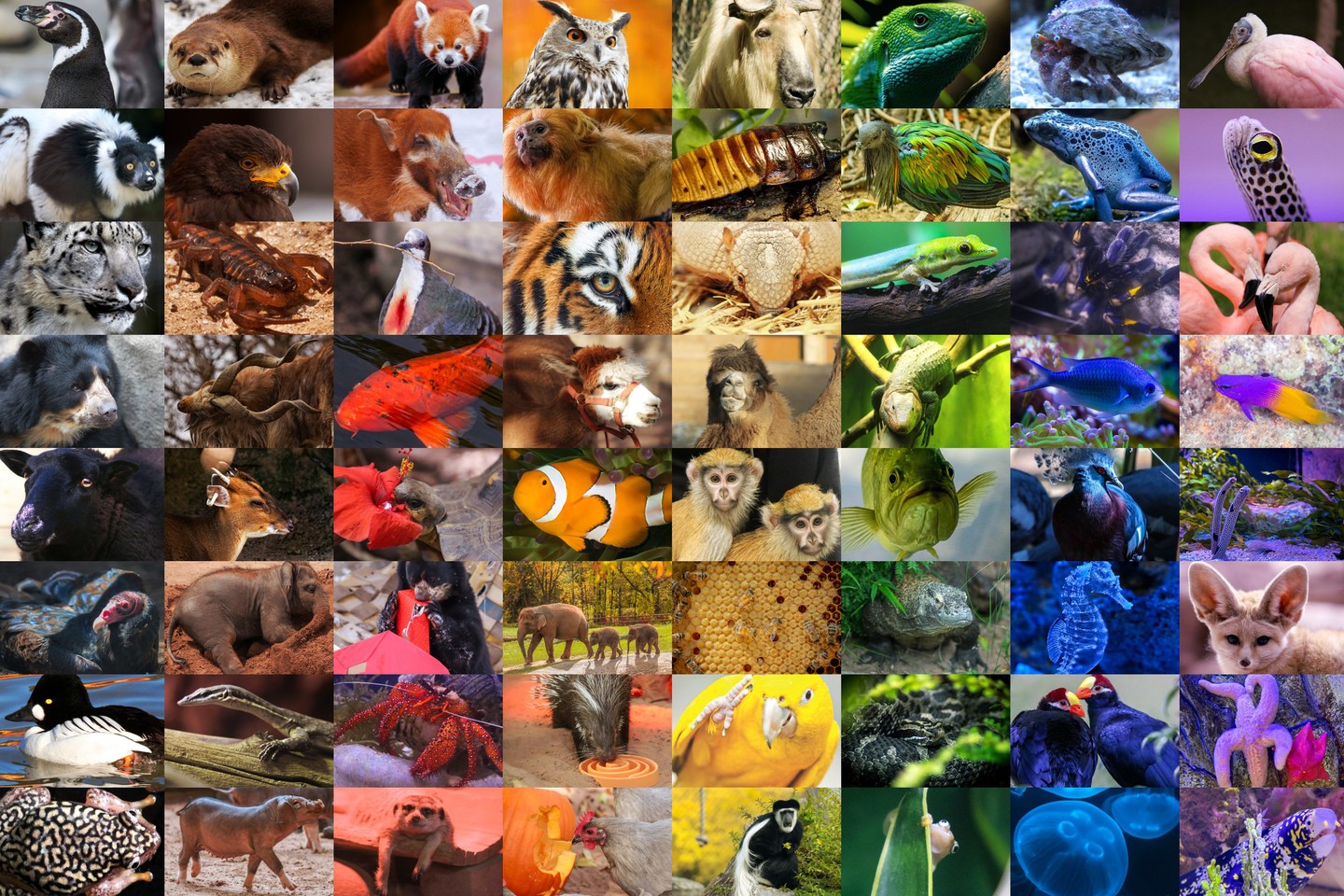
- Happy, the Asian elephant and its role in zoo education
- The Rosamond Gifford Zoo’s commitment to wildlife conservation
- The significance of LGBTQ+ advocacy in zoo settings
- The importance of community engagement and outreach
- The impact of animal ambassadors in promoting biodiversity
Happy, the Asian elephant at the Rosamond Gifford Zoo, represents more than just a magnificent animal; she is a vital part of the zoo’s educational mission and outreach initiatives. This intelligent and social species has a significant role in teaching visitors about wildlife conservation, animal behavior, and the pressing issues facing their habitats. From her interactions with zookeepers to the educational programs developed around her presence, every aspect emphasizes the importance of understanding and protecting wildlife.
Happy has worked as an ambassador for her species. She participates in various educational demonstrations, where visitors can learn about the natural behaviors, diet, and social structure of elephants. Such educational endeavors are essential, as they deepen public awareness regarding the threats facing elephants in the wild, including habitat destruction, poaching, and climate change. Captive elephants, like Happy, can inspire action in individuals and communities to contribute to conservation efforts.
The Rosamond Gifford Zoo is dedicated to wildlife conservation, engaging visitors through innovative programming aimed at preserving endangered species. The zoological staff continually seeks to promote biodiversity, which is critical for a healthy ecosystem. Through partnerships with organizations that focus on habitat restoration and anti-poaching efforts, the zoo actively supports initiatives that benefit not just elephants, but a wide range of wildlife.
Additionally, the zoo contributes to global conservation efforts by participating in electric fence projects in Africa to protect elephants and local communities from conflict. This hands-on approach highlights the zoo’s commitment to impactful change. Funds raised through admission and donations are channeled into these conservation projects, emphasizing the interconnectedness of zoos and wildlife conservation.
One of the standout features of the Rosamond Gifford Zoo is its unabashed support for the LGBTQ+ community. The zoo embraces diversity in all its forms and recognizes the importance of fostering an inclusive environment. Celebrating Pride Month, the zoo hosts events that highlight LGBTQ+ contributions. By supporting this community, the zoo sets an example of acceptance and equality, showcasing that diversity is crucial in both human society and wildlife conservation.
Nurturing an accepting atmosphere within the zoo extends to community partnerships aiming to raise awareness about the vital connections between animal welfare and social justice. Engagement with local schools and organizations fosters an understanding of how diversity can enhance conservation practices. Offering educational programs that bridge the gap between human rights and animal rights encourages individuals to act with empathy and compassion.
Community involvement is imperative for promoting wildlife conservation. The Rosamond Gifford Zoo actively engages with schools, nonprofits, and local organizations to foster awareness. Community programs provide opportunities for hands-on learning and volunteer work. By participating in these initiatives, visitors learn valuable skills and become advocates for animal welfare. The "Adopt-an-Animal" program is one such example, where individuals can support an animal of their choice and understand the broader implications of their contributions.
Animal ambassadors like Happy play a crucial role in shaping positive attitudes towards wildlife. When visitors see her up close, they often form a deeper connection that encourages them to consider their own impact on the environment. High-quality facilities and enrichment activities keep Happy physically and mentally stimulated. This focus not only exemplifies best practices in animal care but also reinforces the importance of humane treatments in both zoo and wildlife settings.
Furthermore, emphasize that the care for animals extends beyond basic needs. It involves providing opportunities for social interaction, mental challenges, and natural behaviors. Through their engagement with challenges that mirror their wild counterparts, animals are more likely to thrive. This approach enhances their well-being and serves as a teaching tool for visitors, who can appreciate the complexities of animal care and behavior.
The importance of preservation and education cannot be overstated. Each visit to the Rosamond Gifford Zoo serves not only to entertain but also to educate the public about pressing issues. Events focusing on specific species allow for deeper dives into conservation strategies and the real-life challenges faced by these animals. These programs connect science with storytelling, giving context to each animal’s plight.
Public awareness campaigns highlight the significance of individual actions—like recycling, reducing plastic use, and supporting ethical companies. The zoo distills these messages to promote actionable steps individuals can take to join the fight against habitat destruction. Education thus becomes the cornerstone of both zoological practice and community action.
The role of zoos extends to becoming knowledge hubs, where rigorous scientific research informs conservation programs. Collaborative efforts with conservation scientists and researchers fuel advancements in our understanding of animal care and welfare. By sharing research findings with the public, zoos like the Rosamond Gifford help demystify the challenges animals face in the wild and the steps needed for sustainable practices.
In addition to conservation, the zoo also plays a significant part in local economies. It attracts visitors from various areas, generating revenue that supports not only animal care but also educational outreach. By offering learning opportunities that appeal to families, school groups, and individuals, the zoo maximizes its role as a community resource. High-quality programs and interactive exhibits engage audiences, fostering long-lasting relationships with nature.
Advocacy for thermal habitats is also a key part of the zoo’s mission. Educating the public about climate change’s impact on wildlife helps shape collective action toward eco-friendly practices. The Rosamond Gifford Zoo incorporates conversations about climate science into their programming, inviting guests to participate in dialogue about the ecosystem’s health. Informing visitors about the importance of carbon reduction, renewable energy sources, and sustainable living contributes to a more informed citizenry poised to take action.
Happy and her peers symbolize a larger movement toward creating connection and understanding between humans and animals. By providing educational programming that emphasizes the importance of animal conservation and the contributions of diverse communities, the Rosamond Gifford Zoo strives to create a better future for both wildlife and people.
As a community resource, the zoo stands as a proud supporter of the LGBTQ+ community, showing that animal welfare and social justice can go hand in hand. Whether through educational initiatives or collaborative partnerships, the zoo exemplifies how diverse voices can lead to innovative solutions in conservation.
*****
Source Description
Happy from your community zoo! The Rosamond Gifford Zoo will always be a proud, and vocal supporter, of the LGBTQ+ community.
