
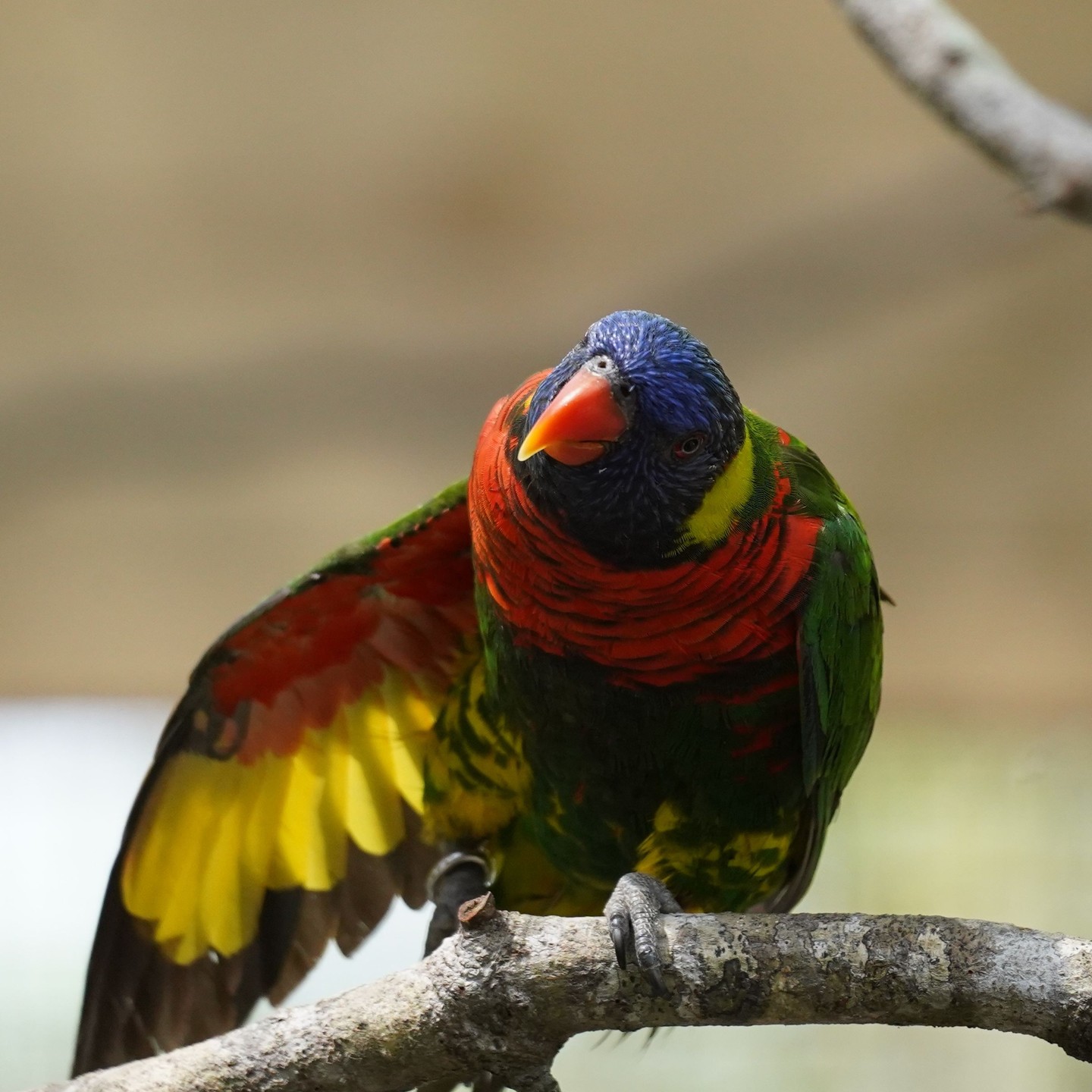
- The Importance of Stretching for Avian Species
- How Lorikeets Prepare for Flight
- The Role of Stretching in Wildlife Health
- Wildlife Conservation and Its Connection to Animal Behavior
- Inspiring Conservation Efforts Through Observational Learning
Stretching serves an essential purpose across various animal species, including birds like lorikeets. For these vibrant creatures, the act of stretching is not just a casual routine; it is a physiological necessity that supports their preparation for flight and overall well-being. Understanding this behavior can provide valuable insights into avian health, conservation efforts, and even the parallels with human practices.
The Importance of Stretching for Avian Species
Stretching is fundamental for birds, especially as they engage in activities like flying, foraging, or displaying. Lorikeets, known for their brilliant coloration and acrobatic flight patterns, require their muscles and joints to be in peak condition to execute their impressive aerial maneuvers. Stretching helps to warm up the tendons and muscles. This is crucial before intense physical activities, as it increases blood flow, improving flexibility and reducing the risk of injury.
Research has demonstrated that stretching can aid in muscle recovery and overall performance in many terrestrial animals. Birds, given their unique anatomy and the demands of flight, benefit just as much—if not more. The intricate musculature leverages both strength and agility, traits that are essential for lorikeets as they navigate through their lush habitats in search of nectar and fruits.
In the context of conservation, understanding the significance of stretching and physical preparation in birds is crucial. Conservationists can focus on creating environments that encourage natural behaviors, including exercise through flight and stretching. Providing sufficient space in habitats allows birds to engage in stretching exercises as part of their daily routine, essential for both physical health and breeding success.
How Lorikeets Prepare for Flight
When lorikeets prepare for flight, the stretching process is quite interesting. They engage in a series of movements that include extending their wings, shaking their bodies, and sometimes utilizing their beaks to touch their feet. This multi-faceted approach ensures that every part of their body is ready for flight.
Biodynamics plays an essential role in how these birds perform their stretches. The muscles in a bird’s wings and legs are designed to contract and extend efficiently, enabling rapid flight and direction changes. The act of elevating their wings and flaring their feathers allows for better aerodynamics when they eventually take off. This warm-up not only heightens their physical condition but also boosts their confidence in the air.
Lorikeets also engage emotionally and socially during their warm-up. These birds often perform synchronized stretching with others in their flock. Such behavior promotes social bonds, fosters teamwork, and builds a supportive community. This social aspect of stretching mirrors human practices in communities that emphasize group exercises or yoga sessions.
The Role of Stretching in Wildlife Health
Stretching doesn’t exclusively benefit flight preparation; it is a critical aspect of overall wildlife health. For lorikeets and their kin, maintaining flexibility can prevent injuries and promote long-term viability. Well-stretched muscles contribute to effective blood circulation, aiding in nutrient transport and waste elimination, both essential for robust health.
Moreover, the physical movement involved in stretching promotes joint mobility. Young birds, in particular, experience rapid growth, so integrating beneficial stretching routines into their lives may enhance their physical development. In rehabilitation settings, where injured or malnourished birds are treated, emphasizing gentle stretching can assist in the recovery process.
Conservationists can develop targeted programs for injured or captive birds. These initiatives can incorporate stretching routines that encourage natural movements. Efforts towards building awareness in rehabilitation facilities can ensure that caretakers understand the physiological importance of stretching in promoting healing and recovery.
Wildlife Conservation and Its Connection to Animal Behavior
Lorikeets and their stretching habits can serve as an example in the broader conversation about wildlife conservation. Understanding the natural behaviors of animals can enhance conservation efforts. When conservationists observe how animals interact with their environment, they can gather insights into habitat requirements and behavioral patterns that need preservation.
Conservation programs often consider the intricate behaviors exhibited by species. The implementation of protected areas that promote natural movement could help these birds thrive in their ecosystems. This awareness can lead to policies emphasizing the enrichment of habitats, ensuring that lorikeets have ample opportunities to fly, forage, and stretch.
The increasing pressure of urbanization and habitat loss poses threats to many species, including lorikeets. Designing conservation strategies that focus on maintaining or restoring these natural behaviors becomes crucial. Educating the public about the essential aspects of avian health can stimulate interest and initiatives in wildlife preservation, emphasizing that every action counts.
Local communities can engage by becoming involved in habitat restoration. Awareness campaigns can highlight how preserving areas where lorikeets reside not only benefits the bird populations but increases biodiversity, benefiting entire ecosystems.
Inspiring Conservation Efforts Through Observational Learning
Observational learning represents a powerful tool in motivating conservation efforts. By watching lorikeets stretch and prepare for flight, individuals may become inspired to take action for wildlife preservation. This empathetic connection fosters a sense of responsibility, encouraging community members to participate in conservation advocacy.
Programs that integrate observations of animal behavior into educational frameworks can significantly enhance public engagement. Schools, community organizations, and zoos can work together to create opportunities for individuals to witness these actions in situ. Dedicated educational initiatives focused on animal health and behaviors, especially in charismatic species like lorikeets, can cultivate a new generation of wildlife advocates.
By demonstrating the essential role of stretching in the lives of lorikeets, these programs can contextualize broader themes in animal behavior and well-being. This understanding can catalyze conversations about ethical animal practices, preserving habitats, and promoting biodiversity.
Public interest can convert into tangible actions, such as volunteering for wildlife conservation organizations or participating in fundraising events. Each small step in awareness can significantly impact conserving wildlife, as it encourages a collective approach to environmental stewardship.
Ultimately, engaging communities in deliberate observations strengthens connections to wildlife. It transforms passive observance into proactive involvement, reinforcing the principle that the well-being of species like lorikeets depends on active conservation efforts.
Stretching offers vital benefits to lorikeets, ranging from physical preparedness for flight to overall health and well-being. Learning about their stretching behaviors provides an excellent opportunity to discuss broader themes of wildlife conservation and the critical importance of preserving natural habitats. Encouraging local communities to appreciate these behaviors can foster additional enthusiasm for conservation efforts.
Encouraging education through observational learning can further inspire action in wildlife care, rehabilitation, and conservation spheres. By fostering responsible practices, individuals can become powerful advocates for the preservation of lorikeets and countless other species worldwide, contributing to a more sustainable future for all.
*****
Source Description
Looking for some Sunday stretch motivation? 🧘
Take a moment for some inspiration from our lorikeets! 🦜 Apparently, their fancy flying requires a warm-up.
