
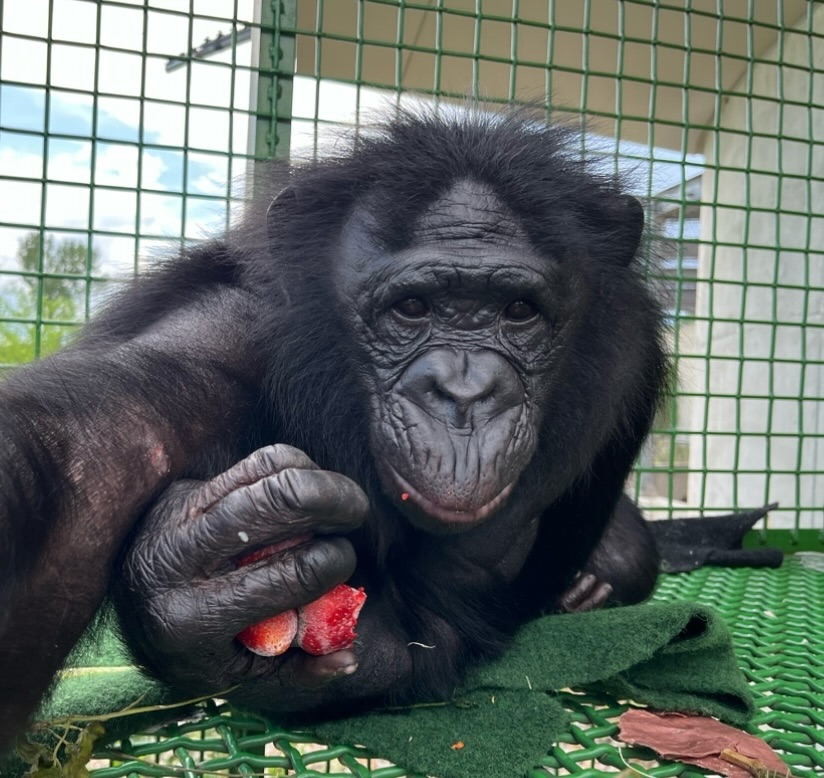
- Elikya’s Role as the Matriarch of the Bonobo Family
- Understanding Bonobo Social Structures and Behavior
- The Importance of Elikya in Conservation Efforts
- Celebrating Birthdays in Zoo Settings: Significance and Practices
- How You Can Contribute to Bonobo Conservation
Elikya, the mother and matriarch of our bonobo family, is soon turning 28 years old on June 28th. As a key figure in our zoo community, understanding Elikya’s contributions can illuminate the significance of bonobos in wildlife conservation and social science research. In addition, recognizing her role enriches our appreciation of the intricate social structures inherent to this remarkable species.
Elikya embodies the role of matriarch within her family unit. Matriarchs like her are central to the social fabric of bonobo groups. As bonobos are often matrilineal, Elikya’s influence extends far beyond individual relationships. She serves not only as a caregiver but also as a leader. Her maternal instincts guide group dynamics, influencing how offspring interact and develop. In bonobo society, females have a clear and powerful stake in establishing social bonds. Elikya’s nurturing behavior creates a stable environment for her offspring and encourages cooperative interactions throughout the group.
Bonobos are known for their complex social structures. Unlike their close relatives, the chimpanzees, bonobos tend to resolve conflicts through social bonding rather than aggression. This behavior is significant and illustrates their capacity for empathy and cooperation. Elikya plays a critical role in maintaining this peaceful environment. Through grooming behaviors, shared foraging, and nurturing interactions, she teaches her offspring essential social skills. Such behaviors contribute to the promotion of harmony within the group and prevent destructive conflicts typical of many animal societies.
Elikya’s influence is also crucial in her role within the broader context of conservation efforts. As a flagship species, bonobos have become symbols of the urgent need to protect their natural ecosystems. Threatened by habitat loss and poaching, bonobos require dedicated conservation strategies. Supporting zoo initiatives aimed at species preservation can have far-reaching implications for bonobos in the wild. Organizations that focus on sustainable wildlife management and habitat restoration benefit from the behavioral and genetic insights gained through studying individuals like Elikya.
Celebrating Elikya’s birthday exemplifies one of the many ways zoos engage with the public to raise awareness about wildlife conservation. Special events provide opportunities for visitors to learn about bonobos, their habitats, and their challenges in the wild. Birthday celebrations in zoos create an atmosphere where people can celebrate individual animals while also advocating for their species. Interactive activities often accompany these events, including educational talks, feeding sessions, and interactive exhibits that highlight the significance of social bonds in bonobo communities.
Elikya’s birthday celebration presents various sponsorship opportunities that empower individuals to contribute to conservation efforts. By sponsoring Elikya’s birthday, patrons can support her ongoing care and the research that derives from her and her family’s behaviors. Their contributions can help fund awareness campaigns and direct conservation programs designed to protect bonobos in their native habitats. Engaging with such initiatives makes it possible for ordinary people to participate actively in the larger mission of wildlife preservation.
Understanding the social behaviors of bonobos not only enriches our appreciation for animals like Elikya but also serves fundamental conservation goals. The matriarch model in bonobo societies sheds light on gender roles in human communities as well, opening avenues for comparative studies. Such studies can help conservationists and researchers understand conflict resolution, cooperation, and social engagement in an ecological context.
Bonobos are fascinating not just for their social dynamics but also for their remarkable cognitive abilities. Research indicates that bonobos possess advanced problem-solving skills and a capacity for symbolic language. Studying Elikya and her offspring contributes to our understanding of these capabilities. These insights have implications for animal welfare, rehabilitation, and the development of enrichment programs ensuring that lives in captivity remain stimulating and fulfilling for bonobos.
Zoo management relies heavily on the understanding of species-specific needs. By observing the behaviors of matriarchs like Elikya, zookeepers can develop health care and enrichment strategies that cater to the group dynamics of bonobos. Enrichment opportunities can include food puzzles, social interactions with other bonobos, and environmental stimuli such as varied habitat structures. These factors contribute significantly to the well-being and overall health of bonobos in captivity.
Engaging with the public means raising awareness about the importance of fostering environments where bonobos can flourish. Elikya serves as a vital ambassador not just for her species but for conservation efforts worldwide. Social media campaigns surrounding her birthday can further elevate awareness, encouraging individuals to think critically about issues like deforestation, poaching, and the importance of biodiversity.
The global bonobo population has been affected by various human activities, largely due to habitat encroachment and illegal hunting. These challenges necessitate a robust approach to wildlife management and a collaborative effort among governments, NGOs, and local communities to protect these incredible animals. By learning about matriarchs like Elikya and recognizing their contributions, we can foster a broader understanding of the political and social factors influencing conservation strategies.
Understanding Elikya’s responsibilities provides insight into the reproductive and developmental strategies of bonobos. Females give birth to a single offspring approximately every five years. This slow reproductive rate highlights the importance of maternal care, as young bonobos rely on their mothers during their extended childhoods. Elikya’s role in nurturing her offspring can influence their survival and integration within the group, reshaping the dynamics of future generations.
Supporting initiatives that spotlight matriarchs like Elikya creates a ripple effect throughout the zoo and conservation community. By embracing the role of bonobo matriarchs, we can foster discussions around gender roles and hierarchy within animal societies. For those keen on contributing to wildlife protection, taking part in events such as Elikya’s birthday can instill a sense of community and responsibility towards environmental stewardship.
Educational programs centered around Elikya and her family cultivate curiosity and appreciation for bonobos. Schools and educational institutions can tie these insights into their curricula, emphasizing the importance of biodiversity and ecosystem preservation. As students and visitors learn about the significance of maternal figures in bonobo groups, they may also draw parallels in human society, prompting discussions about social structures and conservation ethics.
In summary, Elikya’s impending birthday is more than just a celebration of another year; it represents a significant opportunity to reflect on the intricate lives of bonobos and their importance in our world. Her role as matriarch—and that of other bonobos—caters not just to biological functions but highlights the need for deepening our understanding of their world.
As individuals, we can direct our actions to support conservation. Engaging in educational opportunities, sponsoring wildlife initiatives, and advocating for protective measures can all contribute to ensuring bonobos like Elikya continue to thrive. By understanding the importance of celebrating matriarchs and their roles, we create a collective consciousness that can spark change beneficial to both animals and their habitats. Through continued advocacy, research, and engagement, we honor the legacy of Elikya and ensure that future generations will have the opportunity to celebrate their own bonobo matriarchs.
*****
Source Description
The mom and matriarch of our bonobo family ❤️👑 Elikya is turning 28 years old on June 28th! Help us celebrate this special mama by sponsoring Elikya’s birthday! apeinitiative.org/store 🍓☀️
