
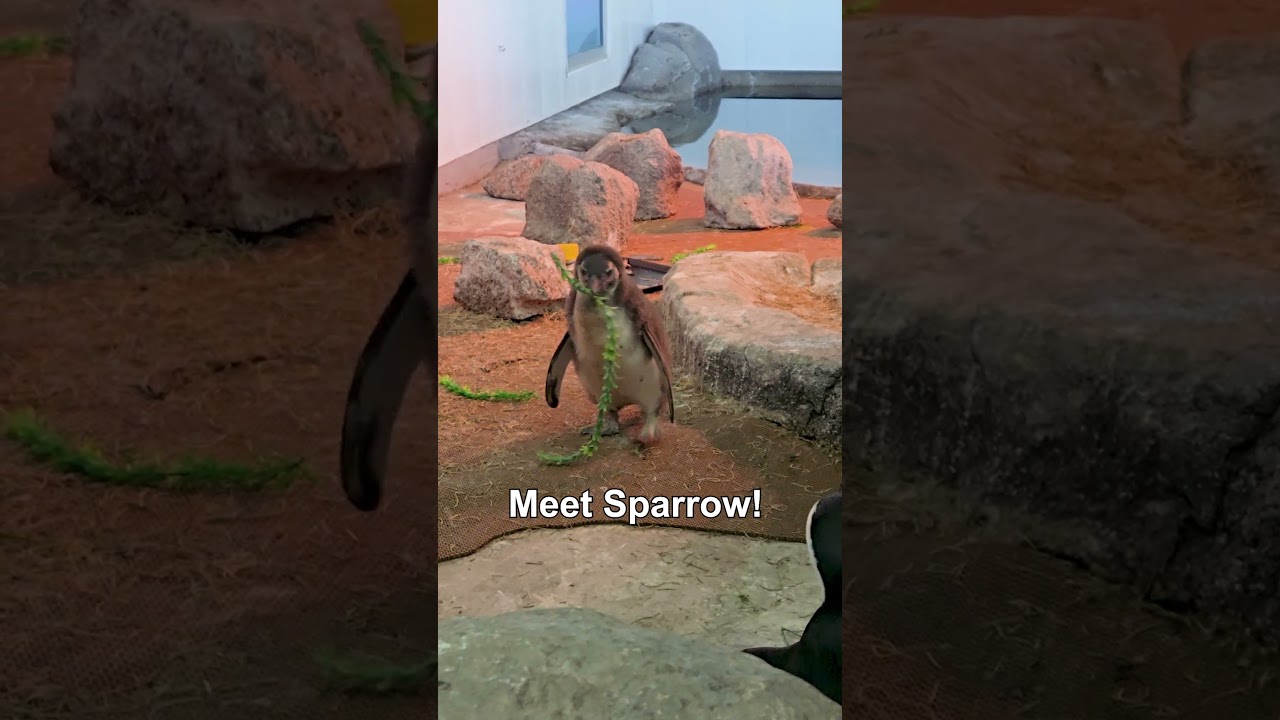
- Introduction to Sparrow: The Naming of a Penguin Chick and Its Significance
- The Life Cycle and Biology of Penguins: Understanding Growth Stages
- The Role of Zoos in Wildlife Education and Conservation Efforts
- Challenges and Successes in Penguin Conservation
- Engaging the Public: Using Media and Storytelling in Conservation
Penguins are fascinating creatures that captivate the imagination with their waddling gait and social behaviors. Recently, a delightful addition to a zoo’s penguin family has captured attention: a newly hatched chick named Sparrow. Examining Sparrow’s journey provides valuable insights into penguin biology, the critical role of zoos in conservation, and the art of engaging the public in wildlife stewardship.
The introduction of Sparrow, a penguin chick, to the zoo community symbolizes more than just the emergence of a new life. Naming a chick serves as a bridge between scientific endeavors and public interest. The act fosters a connection, facilitating a sense of collective guardianship. Sparrow’s name is a conversation starter, enabling discussions about penguins and their habitats.
Penguins undergo distinct life stages, each contributing to their development. From hatching, chicks like Sparrow rely heavily on parental care, with feeding and warmth being paramount. The biology of penguins is tailored to the harsh conditions of their natural environments. Their unique adaptations, such as their feather structure for waterproofing and insulation, are critical for survival. Understanding these adaptations gives insight into the species and informs conservation strategies.
Zoos play an essential role in educating the public about conservation. Sparrow’s life offers a tangible example of how outreach can translate into broader educational initiatives. Zoos provide a controlled environment where people can learn about species, threats to their existence, and actions needed for conservation. Sparrow’s presence demonstrates the educational potential of zoos, underlining their importance beyond recreation.
Penguin conservation involves complex challenges. Threats include climate change and habitat destruction. Conservationists work to protect these environments and address issues like overfishing, which impacts penguin food sources. Efforts are made to maintain genetic diversity through breeding programs. Success stories arise from these collaborations, and each victory adds to our understanding and success in preserving penguins.
Engaging audiences through media and storytelling is vital for conservation success. Sparrow’s journey is shared through videos and social media, reaching a global audience and enhancing public interest in wildlife conservation. These narratives turn abstract concepts into relatable stories, fostering a community of informed and passionate individuals. Engaging storytelling surrounding animals like Sparrow plays a crucial role in inspiring action.
In examining Sparrow’s story, we see layers of educational and conservation value. The presence of a named penguin chick bridges the gap between research and public engagement. It emphasizes the significance of partnerships between zoos, conservationists, and the public. Through awareness, education, and active participation, efforts to protect penguins like Sparrow become a shared commitment.
*****
Source Description
Our penguin chick has a name!
Meet Sparrow! Keepers chose the name to go along with Captain and Pearl’s names. Captain, Pearl and Sparrow are all names related to the Pirates of the Caribbean films, where the swashbuckling Captain Jack Sparrow commands the pirate ship, the Black Pearl.
Sparrow is growing more independent, curious and active every day! It’s learning how to preen its feathers, pick up items and carry them back to the nest and explore its surroundings under the close watch of Captain and Pearl. Sparrow We don’t know the sex yet, but we’ll share future updates on social media!
#KeeperCam
