
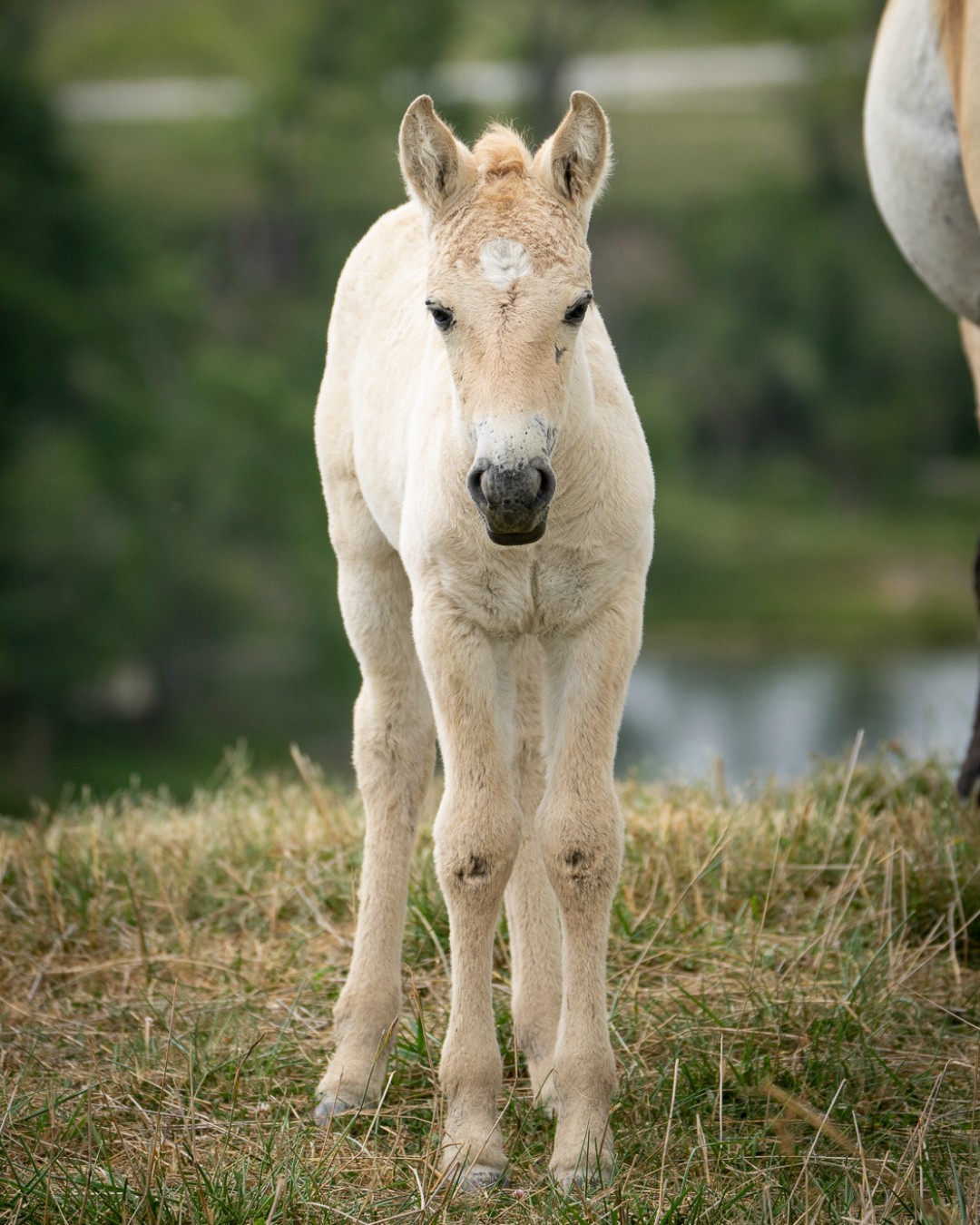
- The significance of the recent births of a Przewalski’s horse foal and a Masai giraffe calf at The Wilds.
- Detailed information about the parent animals and their backgrounds.
- The role of the Association of Zoos and Aquariums (AZA) in species conservation through the Species Survival Plan® (SSP).
- How these births reflect ongoing conservation efforts and guest engagement at The Wilds.
- The adaptation of the two species to their environments and what it means for their conservation.
The recent arrivals of a Przewalski’s horse foal and a Masai giraffe calf at The Wilds mark significant milestones not only for the institution but also for global conservation efforts. Both species face numerous threats in the wild, making such births vital for sustaining their populations, especially in captivity. These events epitomize The Wilds’ commitment to supporting biodiversity while providing guests with enriching educational experiences.
The Przewalski’s horse foal’s birth is particularly noteworthy. Born on August 9, 2025, to first-time mother Paisley and father Maksim, this foal stands as a testament to the species’ resilience. Przewalski’s horses, native to the steppes of Central Asia, were once declared extinct in the wild. The species’ recovery is largely due to dedicated breeding programs. Paisley, born at the San Diego Zoo Safari Park in 2013, joined The Wilds in 2023 from the Minnesota Zoo. Maksim, born in 2017 at the Minnesota Zoo as well, arrived at The Wilds in 2024 based on a recommendation from the AZA’s Species Survival Plan® (SSP).
The birth of this foal is significant within the context of The Wilds’ history. The Przewalski’s horse was the first species brought to The Wilds when it opened in 1992, and the new foal represents the 26th surviving birth of this species at the center since it began operations. The last foal born at The Wilds was in 2015, making this arrival an exceptional occurrence. These events are critical not just for the population numbers, but they reinforce the breeding program’s success and sustainability.
Similarly, the birth of the Masai giraffe calf on August 27, 2025, adds another layer to The Wilds’ conservation narrative. The new calf was born to Lulu and Raha, both of whom also carry impressive backgrounds. Lulu, born at the Cincinnati Zoo in 2012 and residing at The Wilds since 2014, now has three calves to her name. Raha, born at the Los Angeles Zoo in 2006, came to The Wilds in 2009 and has fathered 13 calves in total. Such lineage is important for maintaining genetic diversity, a key aspect of successful breeding programs.
The AZA’s Species Survival Plan® plays a critical role in ensuring the conservation of endangered species. The SSP guides zoos and aquariums in managing captive populations to maximize their viability and genetic diversity. This collaborative approach allows for strategic breeding, habitat management, and knowledge sharing that benefits animals both inside and outside of captivity. The births at The Wilds of both species reinforce the importance of this structured conservation effort.
The importance of these births extends beyond mere survival statistics; they represent tangible steps in the journey toward conservation. The Wilds actively engages its guests by educating them about these species and how they can contribute to wildlife conservation. Visitors can experience the new Masai giraffe calf and her parents during the Wildside Safari Tours, where they will be housed in a barn to ensure they stay warm as temperatures decrease. The Przewalski’s horse herd, meanwhile, can be seen during Open-Air Safaris. This setup not only enriches the visitor experience but also fosters understanding and advocacy for wildlife conservation.
Both species exhibit remarkable adaptations that play a part in their resilience against environmental changes. Przewalski’s horses, known for their stout build and short stature, are well adapted to the harsh climates of their native range. They possess a thick coat that insulates them from cold weather, enabling them to thrive where temperatures can dip significantly. Their natural instincts and behavior patterns allow them to navigate their environment effectively, seeking resources to sustain themselves.
Masai giraffes, on the other hand, are incredibly agile despite their towering height. They possess long necks that allow them to browse leaves high in trees, a trait that reduces competition for food with other herbivores. Their skin patterns serve as camouflage in the savannah; the irregular patches break up their outline and help them avoid predators. The social structures of giraffes are also intriguing, as they often live in loose associations, which further aids their survival in the wild.
Both the Przewalski’s horse foal and the Masai giraffe calf represent hope on multiple fronts: within their species’ populations, in the success of zoo-based conservation, and in the broader framework of environmental stewardship. By incorporating these species into educational programs, The Wilds actively engages guests in conversations about the importance of biodiversity and conservation.
These births invite increased interest in conservation efforts and highlight the necessity of protecting natural habitats. According to the World Wildlife Fund, habitat loss is one of the most significant threats to wildlife, making breeding programs like those at The Wilds crucial. Through these initiatives, both the Przewalski’s horse and Masai giraffe populations can flourish, allowing these species to exist well into the future.
Further efforts are underway by organizations globally to protect the natural habitats of these species. This includes creating protected areas, restoring degraded habitats, and building eco-friendly tourism that helps raise awareness and funds for conservation efforts. Local communities are increasingly engaged in these conservation projects, recognizing their importance for economic sustainability and biodiversity preservation.
The Wilds’ work is pivotal in exemplifying how zoos and conservation centers can collaborate to make a lasting impact. The birth of the Przewalski’s horse foal and the Masai giraffe calf showcases how breeding programs are not merely about increasing numbers but are a crucial part of an interconnected web of conservation activities aimed at achieving long-term viability for endangered species.
Visiting The Wilds offers more than just an opportunity to see these new arrivals; it provides an immersive experience that can inspire individuals to take action. Guests can contribute through participation in educational programs or direct support for ongoing conservation initiatives. This creates a ripple effect—encouraging a new generation to care for wildlife and their habitats.
As temperatures drop in the fall, the care provided to animals like Lulu and Raha, and their new calf, becomes increasingly vital. Situated in warm barns during cold nights is not just a comfort measure; it also ensures that the calves maintain their health and well-being while integrating into the herd. This commitment to animal care demonstrates a deep understanding of animal welfare, a principle essential to effective zoo management.
The Wilds stands at the forefront of the conservation movement, balancing the needs of animal welfare with public education and engagement. Both the Przewalski’s horse and Masai giraffe are emblematic of the ongoing struggles faced by wildlife and the collective responsibility humans hold in preserving these magnificent species.
With dedicated efforts and informed visitors, The Wilds serves as a beacon of hope in conservation, exemplifying how community involvement and education can support the future of wildlife. The recent births stand as a living reminder that connected actions at local levels can lead to meaningful contributions to global conservation narratives, aiming to secure a future where wildlife thrives and natural ecosystems flourish for generations to come.
*****
Source Description
At The Wilds, we’re celebrating the arrival of fall with two more exciting new arrivals: a Przewalski’s horse foal and a Masai giraffe calf!
The Przewalski’s horse foal was born on August 9, 2025 to first-time mother Paisley and father, Maksim. Paisley was born at @sdzsafaripark in 2013 and arrived at The Wilds from the @mnzoo in 2023. Maksim, born in 2017 at the @mnzoo, came to The Wilds in 2024 from the @smithsonianzoo in Front Royal, Virginia based on a recommendation from the @zoos_aquariums (AZA) Species Survival Plan® (SSP). This birth carries special meaning for The Wilds, as the Przewalski’s horse was the very first species brought to the conservation center in 1992, before opening to the public for tours in 1994. The new foal is the 26th surviving Przewalski’s horse born at The Wilds and the first since 2015.
On August 27, 2025, The Wilds also welcomed a Masai giraffe calf to mother, Lulu, and father, Raha. Lulu, born at the @cincinnatizoo in 2012, has lived at The Wilds since 2014, and this marks her fourth calf. Raha, born at the @lazoo in 2006, arrived from @pghzoo in 2009 and has now sired 13 calves at The Wilds. This pairing was also an SSP recommendation, and the calf’s birth represents an important step forward for the conservation of Masai giraffes. Together with the Przewalski’s horse foal, these births highlight The Wilds’ role in protecting species for future generations.
Guests visiting The Wilds can learn more about these important species while supporting global conservation efforts. While the giraffe calf, Lulu, and Raha are spending time in the barn for extra warmth as temperatures drop overnight, they may be seen in the Giraffe Barn during Wildside Safari Tours. The Przewalski’s horses—including Paisley, her foal, and other members of the herd—are well adapted to cooler temperatures like those of their native range and may be seen out in pasture during an Open-Air Safari.
Join us in celebrating these exciting additions!
