
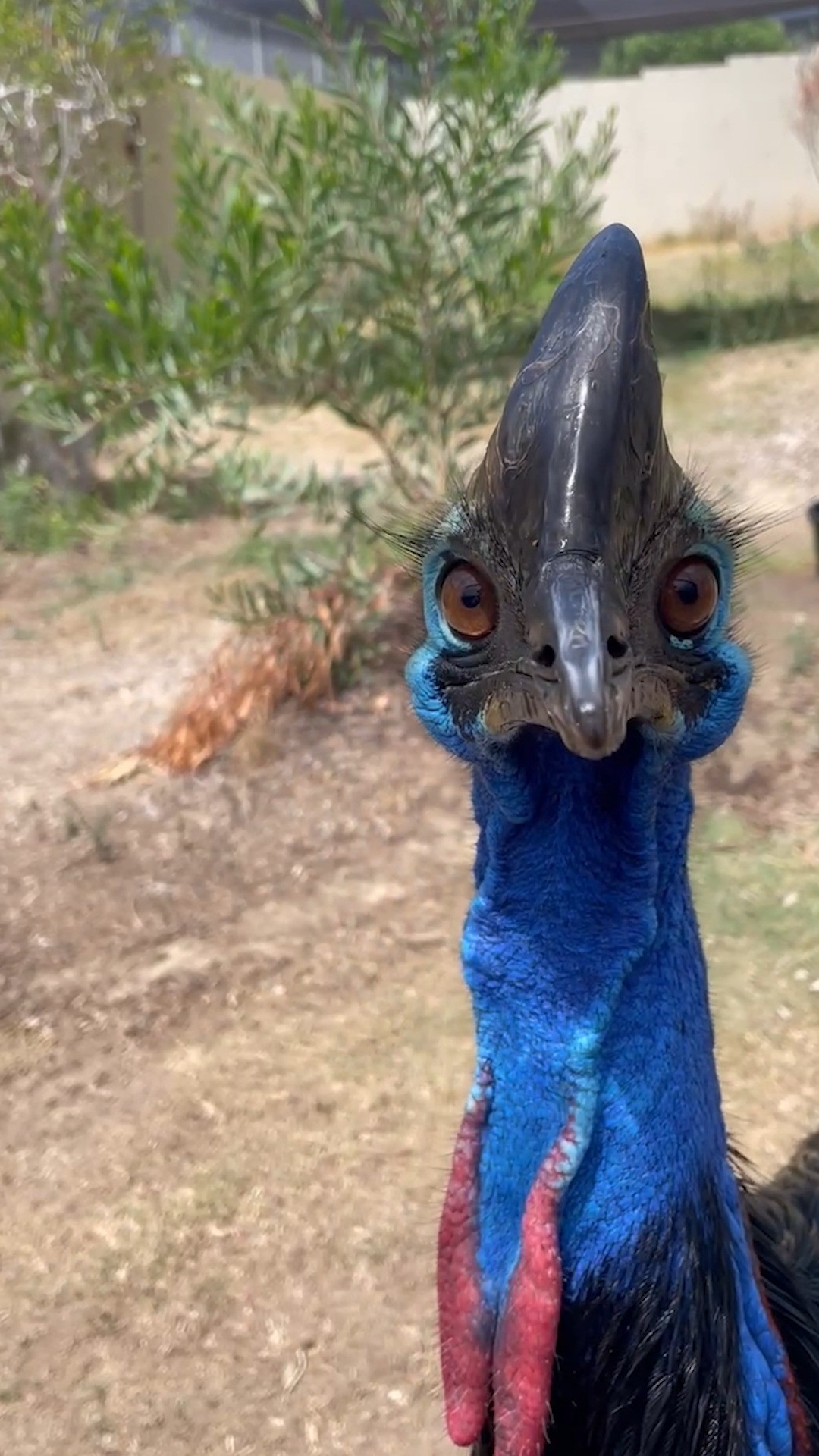
- Cassowaries are fascinating flightless birds found in tropical forests.
- Their closest relatives include emus and ostriches, not peacocks.
- The size difference between male and female cassowaries is notable, with females being larger.
- World Cassowary Day aims to raise awareness about their conservation.
- Understanding the behavior and habitat of cassowaries is essential for their preservation.
Cassowaries serve as a significant component of their ecosystems, specifically within tropical rainforests. These large, flightless birds are found primarily in New Guinea, nearby islands, and northern Australia. Their striking appearance includes a vibrant blue and black plumage, a prominent casque, and long, powerful legs equipped with sharp claws. Cassowaries play a pivotal role in seed dispersal, thereby maintaining the health and diversity of their habitats.
Contrary to what some may believe, cassowaries are not closely related to peacocks. Instead, they are part of a group known as ratites, which also includes emus and ostriches. These birds share common evolutionary traits, such as being flightless and having a flat breastbone. The classification of cassowaries within this group fosters a deeper understanding of their anatomical structure and ecological function. A thorough examination of their genetics reveals strong links to other flightless birds but not to peafowl, which belong to an entirely different lineage.
Females cassowaries are typically larger than their male counterparts. This phenomenon of sexual dimorphism is seen in several bird species. In cassowaries, females can weigh up to 150 pounds and stand about 5 to 6 feet tall. Males, on the other hand, generally weigh around 100 to 120 pounds and possess a somewhat shorter stature. The larger size of female cassowaries may correlate with their reproductive duties and the physiological demands involved in laying eggs and nurturing their young. Such distinctions serve as indicators of species adaptations in relation to various ecological pressures.
World Cassowary Day, celebrated annually, aims to highlight the importance of protecting cassowaries and their habitats. The day raises awareness of the threats they face, which include habitat loss due to logging, agriculture, and urban development, as well as vehicle collisions and predation by domestic animals. Initiatives on this day foster public engagement, encouraging communities and wildlife enthusiasts to participate in conservation efforts. Various organizations use this occasion to host educational events, providing insights into cassowary behavior, biology, and their vital ecosystem roles.
The cassowary’s diet mainly consists of fruits, nuts, and fungi. This dietary preference plays an essential role in the regrowth of the forests they inhabit; as they consume fruits, they help propagate seeds through their droppings. This seed-dispersal function is crucial for maintaining plant biodiversity within their ecosystems. Therefore, understanding their dietary habits is critical for informing conservation strategies aimed at preserving both cassowaries and their habitats.
Cassowaries are often described as solitary creatures, though they can be observed in small groups during mating season. Their courtship behavior involves elaborate displays, including vocalizations and physical posturing. Males perform a series of low booming calls to attract females, while females may choose mates based on these displays, thereby engaging in a form of sexual selection. This behavior not only highlights their social structure but also underscores the importance of maintaining healthy populations.
Habitat preservation is vital for cassowary survival. Their preferred environments are dense rainforests, often located near water sources. However, habitat fragmentation poses significant risks, as it isolates populations and alters their behavior and breeding patterns. Conservation efforts must focus on replanting native flora and establishing wildlife corridors that connect fragmented habitats, allowing for safe movement between areas.
A unique adaptation of cassowaries is their protective footwear. They possess long, sharp claws on their feet, which can deliver substantial force when threatened. This defense mechanism allows them to fend off potential predators, emphasizing the importance of understanding their interactions with both natural enemies and human encroachment. Their infamous reputation for being aggressive stems from these defensive behaviors; however, it is crucial to note that cassowaries generally prefer to avoid confrontation.
The need for ongoing research into cassowary populations is paramount. Monitoring their numbers helps identify trends in population health and the effectiveness of conservation measures. Citizen science projects and community engagement can play key roles in data collection and awareness. By involving the public in conservation efforts, we can foster a sense of stewardship that encourages individuals to take action.
Conservationists and researchers are also working on innovative solutions to mitigate threats posed by motor vehicles in cassowary habitats. Establishing warning signs, speed limits, and wildlife crossings can reduce vehicle collisions, which pose one of the leading risks to cassowary populations. Educating the public about sharing the road with wildlife is a critical component of reducing these incidents and protecting these remarkable birds.
In addition to habitat preservation and road safety, addressing climate change is crucial for cassowary survival. Rising temperatures and changing rainfall patterns can affect the food supply and habitat integrity for cassowaries. Conservation strategies must integrate climate resilience measures, ensuring that ecosystems can adapt to changing conditions. This holistic approach not only benefits cassowaries but also supports the wider biodiversity in their habitats.
Efforts to conserve cassowaries can also leverage community-based approaches. Engaging local populations in tourism initiatives linked to cassowary sightings can create economic incentives for protecting these birds and their habitats. Ecotourism can become a sustainable revenue stream that promotes conservation while allowing people to experience the beauty of nature firsthand.
Cassowaries have a complex behavior that warrants further scientific study. Their interactions with other species, both flora and fauna, play a significant role in ecosystem dynamics. For example, their role as seed dispersers can have cascading effects on plant community composition and food web structures. Research into these relationships can provide valuable insights into ecosystem functioning and guide effective conservation practices.
Partnerships between governmental and non-governmental organizations can be instrumental in driving cassowary conservation. National parks and wildlife reserves provide safe havens for cassowaries, enabling research and habitat protection. Collaborative efforts among ecologists, conservationists, and local communities can forge strategies that resonate with both the environment and human interests.
Improving public understanding of cassowaries is essential. Education initiatives can clarify misconceptions about their behavior and ecological importance. By fostering a sense of admiration for these birds, communities may become stronger advocates for their conservation. Engaging storytelling, educational campaigns, and various media platforms can spread awareness.
The complexity of cassowary conservation involves multiple stakeholders who share interests in biodiversity, ecology, and tourism. Fostering collaborations among these stakeholders can facilitate the formation of impactful policies that benefit both cassowaries and their ecosystems. Strengthening conservation policies at local, national, and global levels is a critical step toward ensuring the long-term survival of these remarkable birds.
Modifying agricultural practices can also yield positive results for cassowary habitats. Implementing wildlife-friendly farming techniques can minimize habitat degradation. Better land-use planning ensures that cassowaries can thrive alongside agricultural endeavors. This balance can provide mutual benefits, securing food sources for local communities while conserving critical habitats.
Cassowaries not only enrich their ecosystems but also inspire awe in the people who encounter them. They serve as a reminder of the delicate interconnections existing in nature and the necessity of safeguarding these relationships. Through focused conservation actions, educational initiatives, and community engagement, the future of cassowaries and their habitats can be secured.
Overall, understanding cassowaries from multiple perspectives—including biology, behavior, and conservation—is essential for fostering a commitment to their preservation. Recognizing their ecological value can lead to a multifaceted approach to conservation that promotes both wildlife sustainability and human interests. As awareness grows through initiatives like World Cassowary Day, it becomes imperative that we take action to protect the remarkable entities of our natural world.
*****
Source Description
Two truths and a lie, World Cassowary Day edition:
🪶Cassowaries are flightless birds
🪶Cassowaries are most closely related to peacocks
🪶Female cassowaries are larger than males
