
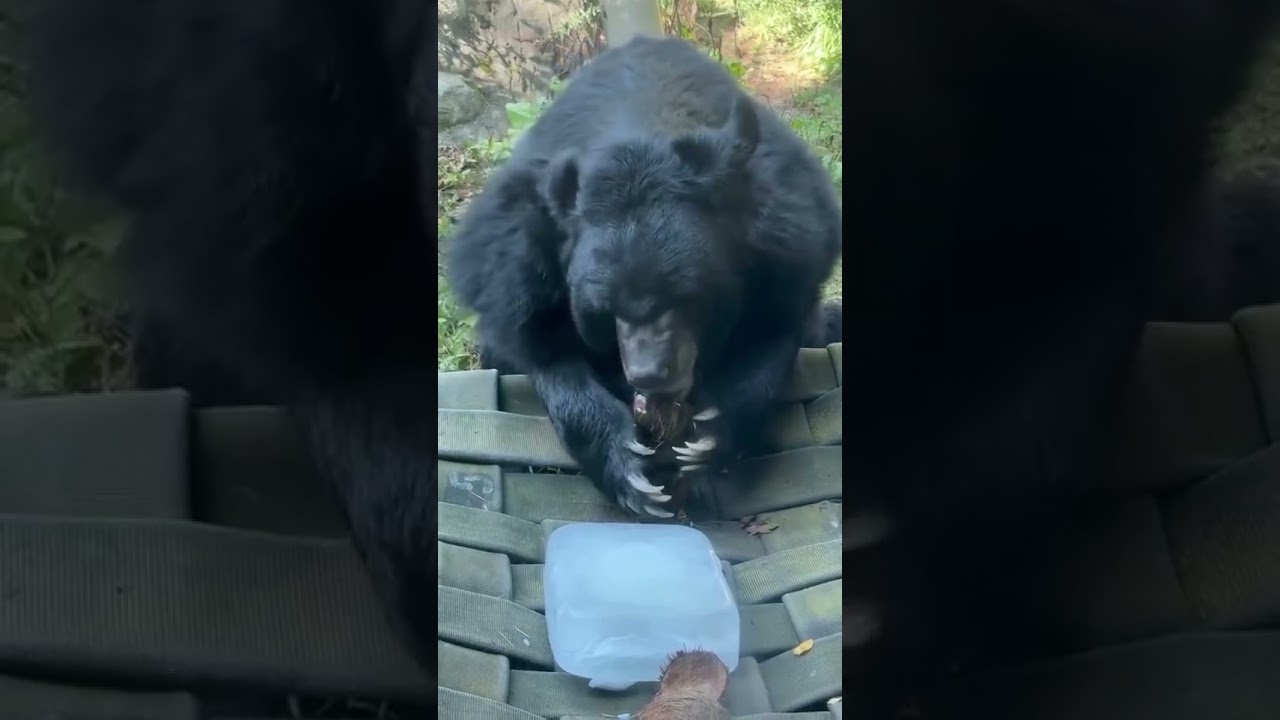
- Overview and significance of Fat Bear Week in wildlife conservation
- Role of enrichment activities like coconut treats in zoo management
- Zoological insights into the biology and behavior of bears
- The impact of public engagement initiatives on conservation efforts
- Strategies for promoting wildlife conservation awareness
Fat Bear Week is a celebrated event that underscores a pivotal moment in wildlife conservation. This annual festivity highlights the seasonal transformation of bears, showcasing their incredible adaptation skills. It’s more than just a spectacle; it is an educational opportunity that brings attention to the conservation needs of these magnificent creatures.
The celebration of Fat Bear Week involves observing bears as they prepare for hibernation by consuming large amounts of food. This bulking up is crucial for their survival during the harsh winter months. The event is not only a testament to the bears’ instinctual behaviors but also a chance to spotlight broader ecological themes such as habitat protection and climate change impacts.
One of the curious highlights of this week is George, a bear celebrated for enjoying a coconut treat. Enrichment activities like these are vital in zoo management as they enhance animal welfare by stimulating their natural behaviors. Enrichment can take many forms—physical, social, or sensory—and is designed to engage the animals mentally and physically. Providing a coconut treat to George is not merely a fun activity; it reflects a deeper understanding of bears’ complex dietary preferences and problem-solving abilities.
The biology and behavior of bears offer fascinating insights into the adaptation strategies of this species. Bears are omnivores with a diet that varies based on their habitat and season. They possess remarkable foraging techniques, honed over millennia, to locate and ingest high-caloric foods. This dietary adaptability is a driving factor in their survival and is magnificently illustrated during Fat Bear Week.
Public engagement initiatives, such as Fat Bear Week, play a crucial role in wildlife conservation efforts. By engaging the public in educational and interactive ways, such events raise awareness about critical conservation issues. They provide a unique platform for discussions around habitat preservation, human-wildlife conflicts, and the significance of biodiversity.
Promoting wildlife conservation awareness is integral to safeguarding ecosystems. Educational events and media campaigns can significantly impact public perceptions and policies that support environmental protection. Strategically utilizing popular events like Fat Bear Week can mobilize global audiences, encouraging proactive involvement in conservation practices.
Fat Bear Week is not just an event; it represents a confluence of conservation, education, and public engagement. By highlighting the biological marvels of bears and the critical need for their protection, the event serves as an exemplary model of how wildlife management and public interaction can mutually enhance conservation outcomes.
*****
Source Description
Fat Bear Week is a fun celebration of bears bulking up for their winter hibernation. While George doesn’t actually hibernate during the winter, he does still enjoy lots of snacks!
