
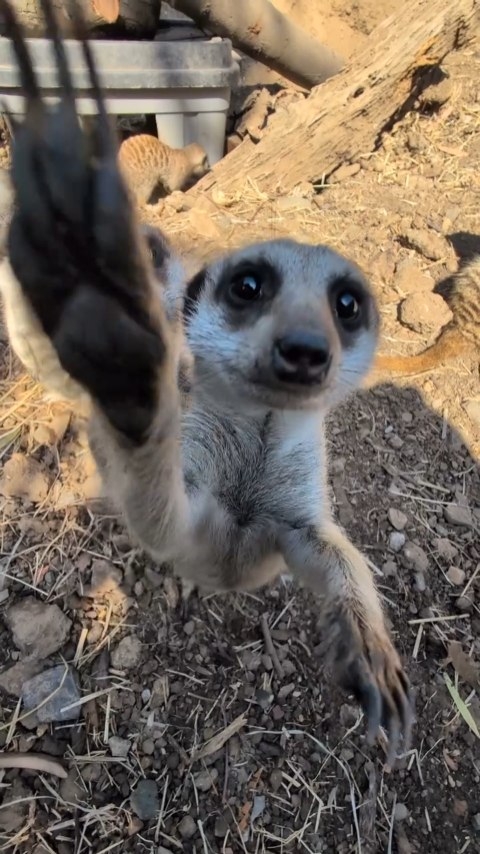
- The emotional appeal of animal faces and their impact on human interaction
- The psychology behind why people feel compelled to share their phones
- The importance of wildlife conservation and the role of zoos
- Methods for engaging the public in wildlife education
- The ethical considerations of wildlife photography and social media
The emotional appeal of animal faces has profound effects on how people interact with both animals and technology. Non-human faces often elicit strong emotional responses in humans. In nature, species that display facial characteristics resembling human traits tend to attract attention and compassion. This phenomenon can be attributed to the concept of anthropomorphism, where people attribute human characteristics to animals. A study in psychology highlights that human brains are wired to respond to baby-like features, such as large eyes and small noses. When these characteristics appear in animals, it triggers a nurturing instinct in humans. This emotional connection often extends to animals in zoos, where visitors feel compelled to share their experiences through social media.
In this context, the desire to share one’s phone becomes more understandable. People tend to flock to social media platforms to showcase their experiences. When you encounter an adorable animal, the urge to document that moment intensifies. The expectation to share images or videos of wildlife often stems from a need for validation among peers. The engaging aspect of technology, while facilitating connectivity, also tends to lead individuals to showcase emotions evoked by animal interactions. Social media platforms amplify this tendency, creating a cycle where emotional experiences fuel sharing, which in turn promotes further engagement with wildlife.
Wildlife conservation plays a crucial role in the discourse surrounding animal interactions. Zoos serve as significant sanctuaries for many endangered species. The depiction of animals on social media often raises awareness about conservation efforts. Many zoos participate in breeding programs aimed at increasing the population of endangered species, which benefits biological diversity. Educational programs often accompany these initiatives. Hence, the presence of animals that attract public interest can provide invaluable resources for these breeding programs. The charming expressions of animals can serve as catalysts for fundraising, sponsorships, and increased public interest in conservation.
Engaging the public in wildlife education is vital for promoting ecological responsibility. Zoos and aquariums employ various methods to enhance public understanding of the environment. Interactive exhibits, guided tours, and educational sessions provide deeper insights into animal behaviors and conservation biology. The more visitors learn, the more likely they are to advocate for conservation. Familiarity with animal species often enhances respect and empathy towards them. This empathy can translate into support for conservation initiatives both locally and globally.
However, ethical considerations arise with the intersection of wildlife photography and social media. The impulse to capture and share images can sometimes compromise the welfare of animals. Stressed animals may be further disrupted by intrusive behavior from visitors who wish to get that perfect shot. This challenge emphasizes the need for responsible wildlife photography. Photographers and content creators should prioritize the welfare of animals over the desire for compelling images. Recognizing the potential impact of their actions is essential for supporting ethical wildlife interactions.
Animal faces certainly make it hard to say no when asked to see your phone, especially considering the emotional responses they invoke. The enduring charm and magnetism of wildlife not only promote a love for animals but also open up avenues for education and conservation. It is imperative to balance the joy of sharing these experiences with a level of responsibility, ensuring that the interactions we foster encourage the protection of wildlife for generations to come. This delicate balance will aid in elevating the conversation around wildlife preservation and ensure that species can thrive in their natural habitats while still captivating human hearts.
*****
Source Description
Hard to say no to these faces when they ask to see your phone 😍
