
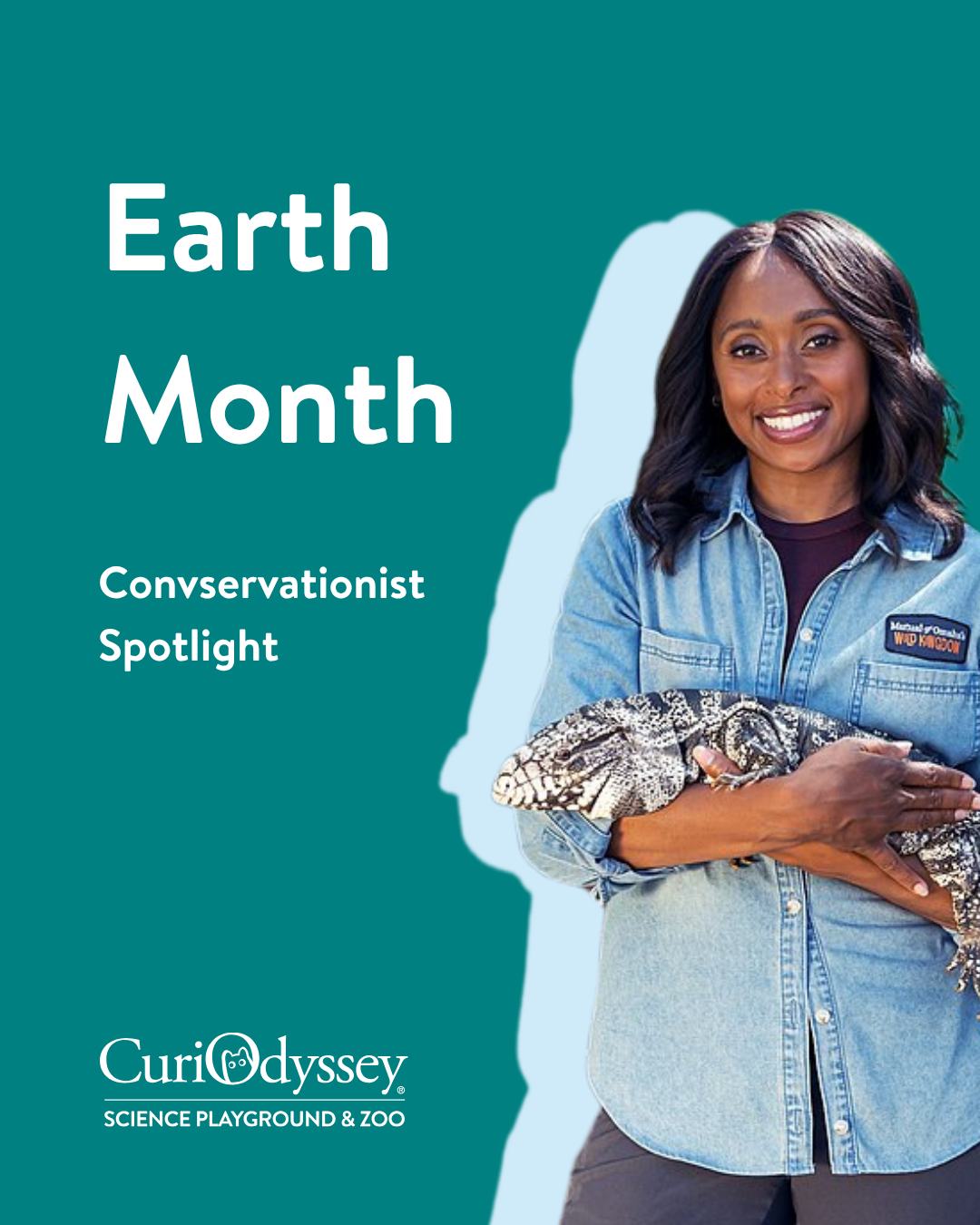
- Celebrating the contributions of five influential conservationists: Dian Fossey, David Attenborough, Rachel Carson, Dr. Biruté Galdikas, and Dr. Rae Wynn-Grant
- An exploration of their unique paths to conservation and the impact of their work
- Insights into Dr. Biruté Galdikas’ lasting legacy and recent passing
- The role of inclusivity in modern conservation, inspired by Dr. Rae Wynn-Grant’s efforts
- The importance of inspiring future generations to appreciate and protect nature
This Earth Month, we shine a spotlight on five remarkable individuals who have made transformative contributions to environmental understanding and conservation: Dian Fossey, David Attenborough, Rachel Carson, Dr. Biruté Galdikas, and Dr. Rae Wynn-Grant. Each has carved a distinct pathway in the field, reminding us that curiosity, courage, and compassion can foster not just knowledge but genuine love for the natural world.
Dian Fossey’s tireless work in the rainforests of Rwanda truly changed the course of primate conservation. Her groundbreaking research on mountain gorillas, detailed in her book “Gorillas in the Mist,” illustrated the incredible intricacies of their social structure, behavior, and the challenges they face. Fossey’s passionate advocacy against poaching and habitat destruction highlighted the need for immediate action in shielding these animals from extinction. She established the Karisoke Research Center in 1967, serving as a base for her work, and her commitment to field research helped elevate the status of gorillas in the conservation community. Fossey’s life was dedicated to ensuring that future generations would have the chance to see and appreciate these magnificent creatures in their natural habitat, breaking down societal perceptions and emphasizing the critical connection between humans and wildlife.
Another powerful voice in conservation is David Attenborough. As a broadcaster and natural historian, Attenborough has educated global audiences about the wonders of nature through exceptional storytelling. His documentary series, including “The Blue Planet” and “Planet Earth,” captures both the beauty and fragility of ecosystems worldwide. Attenborough’s enthusiasm for wildlife inspires viewers to nurture a connection with the natural world. He advocates for immediate action on climate change and biodiversity loss, appealing directly to the hearts of his audience. His ability to blend entertainment with powerful messages serves to motivate communities to engage in conservation efforts actively. Through his extensive body of work, Attenborough showcases diverse ecosystems, revealing their unique ecological functions and the challenges posed by human impact.
Rachel Carson, a pioneer of the environmental movement, dramatically altered how society perceives pesticide use and its effect on wildlife and human health. In her seminal book “Silent Spring,” Carson meticulously documented the adverse effects of pesticides, particularly DDT, on birds and ecosystems. Her work catalyzed a new understanding of the interconnections between environmental health and human welfare, leading to widespread public concern and policy changes. Carson’s advocacy for a more holistic approach to conservation has inspired countless individuals to appreciate the intricate balance of nature. She emphasized the responsibility humans hold in protecting their environment, and her legacy includes fostering a sense of environmental stewardship that resonates in today’s conservation discussions.
Dr. Biruté Galdikas is another titan in the field of primate conservation, primarily known for her extensive research on orangutans in Borneo. After being mentored by Fossey, Galdikas embarked on a path that would span decades, where she studied the behavior and ecology of these incredible great apes. Her work is pivotal in raising awareness about habitat destruction due to logging and palm oil plantations, issues critically affecting orangutan populations. Galdikas founded the Orangutan Foundation International, which focuses on habitat conservation, rehabilitation, and education. Tragically, we lost Dr. Galdikas just last month, leaving behind an indispensable legacy of knowledge and activism. Her dedication invokes a sense of urgency for preserving orangutans and their habitats, reminding us that the fight for conservation requires relentless passion and action.
Dr. Rae Wynn-Grant stands at the forefront of a new wave of conservationists, emphasizing inclusivity in environmental efforts. As an ecologist, Wynn-Grant’s research focuses on large carnivores like wolves and bears, examining the complex relationships these species maintain within their ecosystems. Importantly, her work addresses the role of diverse perspectives in conservation strategies, advocating for the inclusion of marginalized communities. This approach aims to foster a more equitable relationship between humans and wildlife, reminding us that everyone has a role to play in environmental stewardship. Wynn-Grant’s leadership inspires a new generation of nature lovers to engage in conservation creatively, demonstrating that every voice can contribute to a healthier planet.
Each of these individuals exhibits a unique dedication to their craft, reinforcing the principle that conservation remains an ever-relevant field that needs diverse perspectives. Their stories highlight the intrinsic link between humanity and nature, serving as a reminder that engaging with and protecting the environment is a responsibility shared by all. The passion they exhibit for their causes fosters a sense of purpose and drives them to inspire others.
As we reflect on these figures during Earth Month, we recognize the need for ongoing inspiration in conservation. The landscape of environmental stewardship is evolving, incorporating innovative scientific approaches and community-based initiatives that can often seem intertwined. The complexities of climate change, habitat destruction, and biodiversity loss compel us to think critically about our role in the environment. The need for educated dialogue surrounding conservation is paramount.
Empowering future generations to appreciate and protect nature relies heavily on education and outreach. Programs focused on hands-on experiences, such as wildlife conservation camps or community engagement projects, work to instill a sense of wonder in the natural world. By actively participating in conservation efforts, individuals can establish strong connections and deepen their understanding of ecological principles.
Facilitating discussions about the interdependence of species and ecosystems can enrich awareness. Understanding the narrative of a species’ decline can often motivate actions that foster protection and respect for all aspects of nature. It is essential to cultivate curiosity about the natural world, encouraging exploration, fieldwork, and even simple observations in local environments. Knowledge that arises from such experiences can blossom into lifelong dedication to conservation.
Social media platforms and technology also play a significant role in shaping modern conservation. They serve to connect individuals and institutions globally, providing a forum for sharing successes and challenges in conservation efforts. This connectivity can create collaborative movements that harness diverse skill sets to contribute to urgent environmental causes. Engaging storytelling can emotionally resonate with audiences, promoting a sense of unity in the conservation community.
The landscapes and species in dire need of protection are not remote; they are part of our shared global community. Our collective experiences, whether through personal stories or professional endeavors, can energize progress. Engaging local communities through education, advocacy, and respectful interaction with wildlife creates a more inclusive conservation landscape. Each of us bears the responsibility to uphold the legacies of Fossey, Attenborough, Carson, Galdikas, and Wynn-Grant as integral parts of the growing global movement toward respecting and protecting the natural world.
Who inspires your love of nature? The field of conservation requires a multifaceted approach, engaging scientists, educators, policymakers, and community members. Each individual’s story, experience, and perspective can empower action and fuel momentum for restoring balance with the environment.
This Earth Month serves as an opportunity to reflect on the incredible work of those who have dedicated their lives to conservation. By amplifying their stories and embracing inclusivity in environmental efforts, we nurture a broader appreciation for the intricacies of our ecosystems and promote lasting stewardship for this planet we share.
*****
Source Description
This Earth Month, we’re celebrating five people who have dedicated their lives to helping the world understand, protect, and fall in love with the natural world.
Dian Fossey, David Attenborough, Rachel Carson, Dr. Biruté Galdikas, and Dr. Rae Wynn-Grant each found their own path to conservation and reminded us that curiosity, courage, and compassion can change the world.
We are especially thinking of Dr. Galdikas, who we lost just last month, and celebrating Dr. Wynn-Grant, whose work to make conservation more inclusive inspires a whole new generation of nature lovers.
At CuriOdyssey, their spirit is our inspiration every single day. Who inspires your love of nature? Share with us in the comments! 🌍
