
- The significance of Grandparents’ Day and its history
- A closer look at the Mexican wolf species and their conservation status
- The remarkable journey of Anna, the iconic wolf
- The role of Anna’s lineage in wildlife conservation efforts
- Visiting the Missouri History Museum and the “Collected” exhibit
Grandparents’ Day is celebrated annually on the first Sunday after Labor Day in the United States. Established to honor the contributions of grandparents to their families and society, this day serves a dual purpose. It fosters the intergenerational connection between grandparents and grandchildren while also reminding society of the immense wisdom, love, and guidance that older generations provide. Introduced in 1978, this holiday aims to generate awareness and appreciation for the role of grandparents in nurturing familial ties and community values.
As families gather to celebrate the profound influence of grandparents, it is also an opportune moment to reflect on broader themes of legacy and conservation. The ongoing efforts to protect endangered species, such as the Mexican wolf, resonate deeply with the idea of preserving heritage for future generations. The Mexican wolf has been critically endangered for decades, primarily due to habitat loss, human conflict, and genetic isolation. Various organizations have spearheaded conservation initiatives aimed at restoring wild populations.
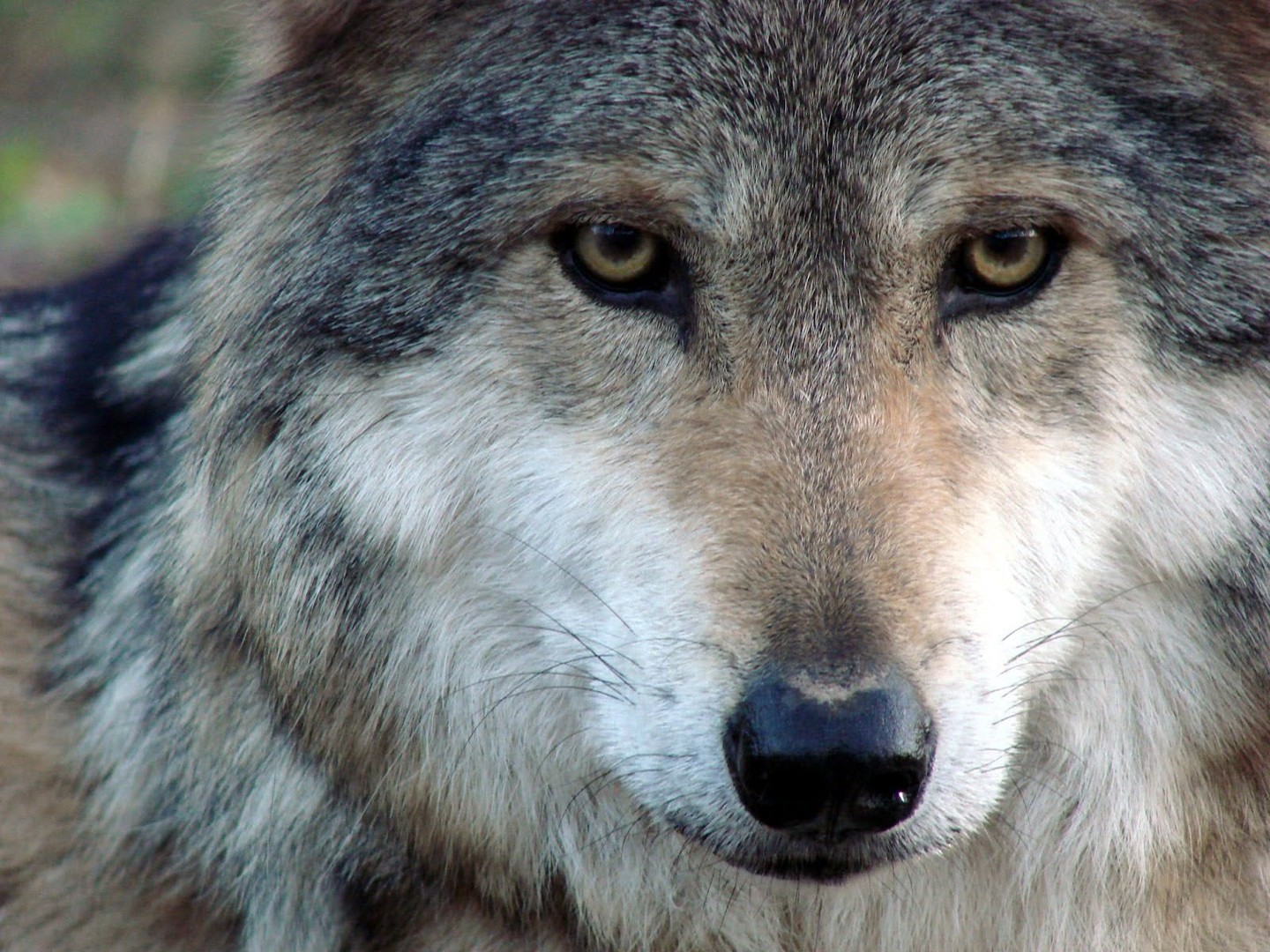
One such initiative focuses on the extraordinary contributions of individual animals, like Anna, in these conservation efforts. Anna is a significant symbol in the recovery of the Mexican wolf population. Her unique genetic background made her a vital member of the breeding program designed to increase genetic diversity in captive populations, ultimately benefiting wild populations.
The Mexican wolf (Canis lupus baileyi) is a subspecies that once roamed the southwestern United States and Mexico. However, by the mid-20th century, they were nearly extinct due to systematic eradication in the United States. Conservation measures began in the 1970s, focusing on captive breeding and reintroduction of wolves into suitable habitats. Nowadays, significant efforts aim to restore their numbers while preserving genetic integrity. The Mexican wolf is a keystone species, meaning its presence has critical implications for the ecological balance in its habitat. They help control prey populations, which contributes to healthier ecosystems.
Anna, the only surviving pup from two genetically valuable parents, is a testament to these conservation efforts. Known for her record-breaking litter sizes, she has produced 41 pups across four litters. This number is significant within the context of conservation since each individual pup represents a potential contributor to the wild population. A remarkable aspect of Anna’s journey is that several of her offspring were released into the wild. Their successful adaptation will enhance the genetic diversity of the wild Mexican wolf population, contributing to their long-term survival in Arizona and New Mexico.
The impact of effective breeding programs cannot be overemphasized. Captive breeding is not just about increasing numbers; it’s also about managing genetics to avoid problems related to inbreeding. In many wildlife conservation situations, maintaining a diverse gene pool is crucial. This is where the genetic contributions of animals like Anna assume extraordinary importance. The strategic pairing of wolves sampled from diverse lineages can produce offspring with the vigor needed to thrive and adapt to changes in their environment.
The role of Anna extends beyond mere reproduction. Each of her offspring serves as an ambassador for her species. Their successful reintroduction into the wild provides critical data on how Mexican wolves adapt to their natural habitat and interact with the ecosystem. These studies inform future conservation strategies. Understanding how these wolves use their environment will allow wildlife managers to adjust efforts accordingly, ensuring that they are meeting the ecological needs of both the wolves and their prey.
To engage with Anna’s legacy, visiting the Missouri History Museum’s “Collected” exhibit provides an opportunity to experience her story firsthand. The exhibit does not just highlight Anna; it educates visitors about the intricate web of wildlife conservation and the importance of community involvement. Models, artifacts, and interactive media immerse visitors in the life of Mexican wolves, revealing how people can contribute to ongoing conservation efforts.
Bringing grandparents and grandchildren to this exhibit emphasizes the value of family bonding through shared educational experiences. Such moments foster a lasting appreciation for wildlife and elevate conversations about the environment. Education plays a crucial role in driving awareness for endangered species and the benefits of genetic diversity.
Moreover, incorporating visits to such informative exhibits into family traditions is essential. They spark curiosity and encourage discussions about the responsibility of each generation in protecting the environment. For grandparents, sharing stories about conservation and their experiences can help instill values of stewardship in younger generations. This nurturing of awareness yields impactful dialogue that can transcend familial boundaries, shaping how society addresses conservation at large.
In today’s context, the importance of engaging younger generations in wildlife conservation cannot be overstated. Many species, including the Mexican wolf, still face significant threats. Increasing awareness through interactive experiences ensures that younger family members comprehend the ramifications of biodiversity loss, instilling a sense of agency.
Moreover, events that celebrate the bond between generations can reinforce positive social values. They often serve as a perfect framework for discussing difficult topics, including extinction and habitat destruction. These dialogues equip children with the knowledge needed to advocate for their surroundings actively.
In summary, recognizing Happy Grandparents’ Day allows us to reflect on family connections and the stories passed down through generations. Celebrating figures like Anna highlights not just the biological achievements she represents but serves as an educational platform for understanding conservation efforts. This day can remind us all that wildlife conservation stretches beyond individual animals; it encompasses entire ecosystems, legacies, and the bonds of family.
While visiting such exhibits, it is vital to remember every little action counts in conservation. From informing younger generations to participating in local habitat restoration projects, individuals can contribute meaningfully. As communities grow increasingly aware of the importance of preserving wildlife, they strengthen intergenerational ties that bind society in stewardship.
Through the efforts of dedicated organizations focused on wildlife conservation, and the momentum provided by family engagement in events like Grandparents’ Day, there is hope for species like the Mexican wolf. Each moment spent celebrating the past can help fortify a future where endangered species thrive once more, supported by informed and passionate individuals across generations.
To learn more about Anna and other conservation efforts, be sure to visit the Missouri History Museum and participate in discussions around wildlife conservation initiatives. Support from every generation is needed to continue these vital endeavors.
*****
Source Description
Happy Grandparents’ Day! In honor of this special day, we’d like to recognize one of the most famous wolves from the Endangered Wolf Center, Anna!
The only surviving pup of two genetically valuable parents, Anna went on to have 41 pups across four litters of record-breaking sizes. Several of her offspring were released into the wild, which means her grandpups, great-grandpups, and further offspring will play a vital role in the increasing population of wild Mexican wolves in Arizona and New Mexico.
Want to learn more about Anna and her impact? Visit the Missouri History Museum with your grandparents or grandchildren and see her in person at the “Collected” exhibit.
Learn more and plan your visit, head to our link in bio. 🔗
