
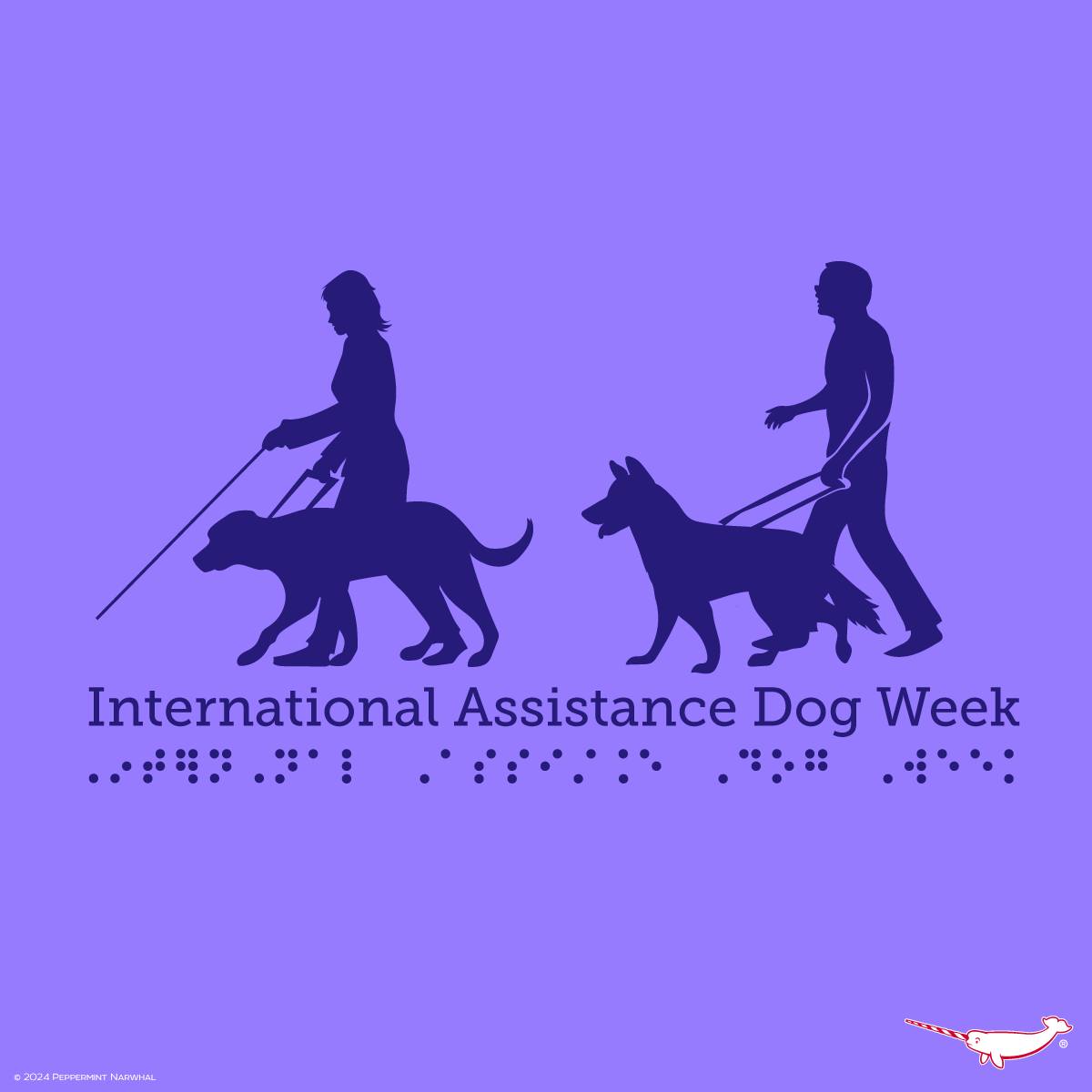
- Happy International Assistance Dog Week celebrates the vital roles that service dogs play in various fields.
- It highlights the extensive training and dedication required from both the animals and their handlers.
- The week promotes awareness about different types of assistance dogs and their specific functions.
- It discusses the emotional and physiological benefits that assistance dogs offer to individuals with disabilities.
- The article encourages community support and understanding of service dogs and their handlers.
Happy International Assistance Dog Week recognizes the incredible contributions of assistance dogs worldwide. These remarkable animals are trained to help individuals with disabilities, providing essential support in daily life and often enhancing the quality of life for their handlers. This week serves as a reminder of the impact these dogs make and acknowledges the hard work of trainers and organizations responsible for educating and preparing these animals for their vital roles.
Assistance dogs are not just pets; they are working animals trained to perform specific tasks that aid individuals in overcoming various challenges. This week, we celebrate the types of assistance dogs, including guide dogs for the visually impaired, hearing dogs for the deaf, mobility assistance dogs for individuals with physical impairments, and medical alert dogs for those with health conditions.
Guide dogs are perhaps the most recognizable assistance animals. They are specifically trained to navigate urban environments and handle obstacles for visually impaired individuals. The training process for these dogs involves learning to recognize natural and man-made obstacles. Trainers often use positive reinforcement techniques, which encourages the dogs to follow commands and work cooperatively with their handlers.
Hearing dogs perform an essential role for those who are deaf or hard of hearing. These dogs are trained to respond to specific sounds, such as alarms, doorbells, or even the call of their owner. The relationship between a hearing dog and its owner is founded on trust and mutual understanding. The dog’s training ensures that it can effectively alert its handler without causing undue stress.
Mobility assistance dogs are trained to support individuals with physical disabilities. Their tasks can include retrieving items, opening doors, or even providing balance for their handlers. The selection of a mobility assistance dog typically depends on the specific needs of the individual. The training for these dogs is intensive and may include task training, socialization, and exposure to various environments.
Medical alert dogs are specialized canines trained to respond to medical needs. These dogs can be trained to alert their owners to medical emergencies, such as low blood sugar levels in diabetic individuals or impending seizures in those with epilepsy. The relationship here is particularly important, as the dog’s ability to predict a medical event can be life-saving.
The training process for assistance dogs is extensive and takes several months to complete. Organizations dedicated to the training of these animals often employ trainers with specialized knowledge in animal behavior and training methodologies. This process is not just about teaching commands; it also involves socializing the dogs in various environments. They must be able to perform tasks reliably, regardless of distractions. This training period helps establish a strong bond between the dog and its handler, promoting mutual respect and cooperation.
Moreover, the role of the handler is crucial. Handlers must effectively communicate their needs and expectations to their dogs. There is a significant emphasis on teamwork, as the success of assistance dogs often relies on the interaction between the animal and its owner. Handlers are also responsible for maintaining the dog’s training and ensuring the well-being of their canine partners.
The bond between an assistance dog and its handler often leads to profound emotional connections. These dogs provide not only physical support but also emotional comfort, which can be crucial for individuals dealing with disabilities. Studies have shown that the presence of a service dog can help reduce anxiety and depression among individuals with disabilities, improving their overall mental health.
In addition to the personal benefits, assistance dogs also enhance social interactions. The presence of a service dog often invites curiosity and increased social engagement. Many handlers report feeling more included and understood in social settings. These interactions also serve as a platform for educating the public about the roles of assistance dogs, fostering a greater understanding and appreciation for their services.
International Assistance Dog Week encourages the public to recognize and respect the hard work of these animals and their handlers. It is essential to remember that assistance dogs are working animals and should not be approached without consent. Such interactions can distract the dog from its tasks, potentially compromising the safety and well-being of the handler. Respecting the boundaries of assistance dogs is critical in fostering an environment that supports their vital functions.
Several organizations around the world focus on training assistance dogs. These organizations vary in their training philosophies and the types of dogs they use. Breeding practices also influence the effectiveness of service dogs. Breeders typically aim for specific traits, such as temperament and intelligence, which are essential for successful assistance dogs. Common breeds used include Labrador Retrievers, Golden Retrievers, and German Shepherds, although various breeds may effectively fulfill assistance roles.
These organizations are crucial in raising awareness of service dogs and the challenges faced by handlers. They advocate for policies that protect the rights of individuals who rely on assistance dogs. Public education campaigns focus on dispelling myths and misunderstandings regarding service animals. This includes addressing the difference between service dogs, therapy dogs, and emotional support animals, as they serve distinct purposes and require different levels of training.
As we celebrate International Assistance Dog Week, it is essential to emphasize community involvement in supporting these organizations. Volunteer opportunities abound, offering individuals a chance to contribute to the training of assistance dogs and the support of handlers. Fundraising initiatives can also be a vital source of revenue for organizations, allowing them to expand their outreach and services. Contributions to these organizations not only benefit the dogs and handlers directly but also promote overall community understanding of the importance of assistance dogs.
Encouraging dialogue within the community about the roles and rights of assistance dogs is vital. Schools and workplaces can implement training programs to educate individuals about interacting respectfully with service dogs. Such initiatives promote a more inclusive environment for those who rely on assistance, emphasizing the importance of these dogs in enhancing the quality of life for individuals with disabilities.
The emotional and physical impacts of assistance dogs extend beyond the individual. Families and communities often benefit from the positive changes an assistance dog brings to a person’s life. Enhanced mobility and independence facilitate greater participation in social, recreational, and professional activities. The ripple effect of having an assistance dog can lead to stronger communal bonds and improved mental well-being for everyone involved.
International Assistance Dog Week serves as a reminder of the multifaceted support offered by these incredible animals. It encourages public discourse surrounding the significance of service dogs and the essential work done by trainers and organizations. Awareness is the first step toward building a society that respects and honors the contributions of assistance dogs.
The next time you see a service dog in public, take a moment to appreciate the unique bond it shares with its handler. Reflect on the extensive training behind each dog, and remember the dedication of their trainers. Happy International Assistance Dog Week invites individuals to foster understanding, support, and respect for these remarkable animals and their handlers. By doing so, we can create a more compassionate world for all.
In line with this celebration, consider ways to actively engage with or support organizations that train assistance dogs. Awareness campaigns, local workshops, or even educational resources can empower communities to appreciate these wonderful animals’ invaluable roles. Education, empathy, and action can significantly impact the quality of life for those relying on assistance dogs.
*****
Source Description
Happy International Assistance Dog Week.
This week we pay tribute to the wonderful working dogs out there, who truly do amazing work. We also recognize the talented trainers and handlers who start these animals off on their journey of service.
DOG MERCH – https://www.peppermintnarwhal.com/s/search?q=dog%20wolf%20fox%20ghole
Shop www.peppermintnarwhal.com
International Shoppers visit our store on Etsy:
www.etsy.com/shop/PeppermintNarwhal
