
- Understanding International Polar Bear Day and Its Importance
- The Significance of Enrichment Activities for Polar Bears
- The Threats Facing Polar Bears in Their Natural Habitat
- Structured Conservation Efforts Through Polar Bear International
- How Individuals Can Support Polar Bear Conservation
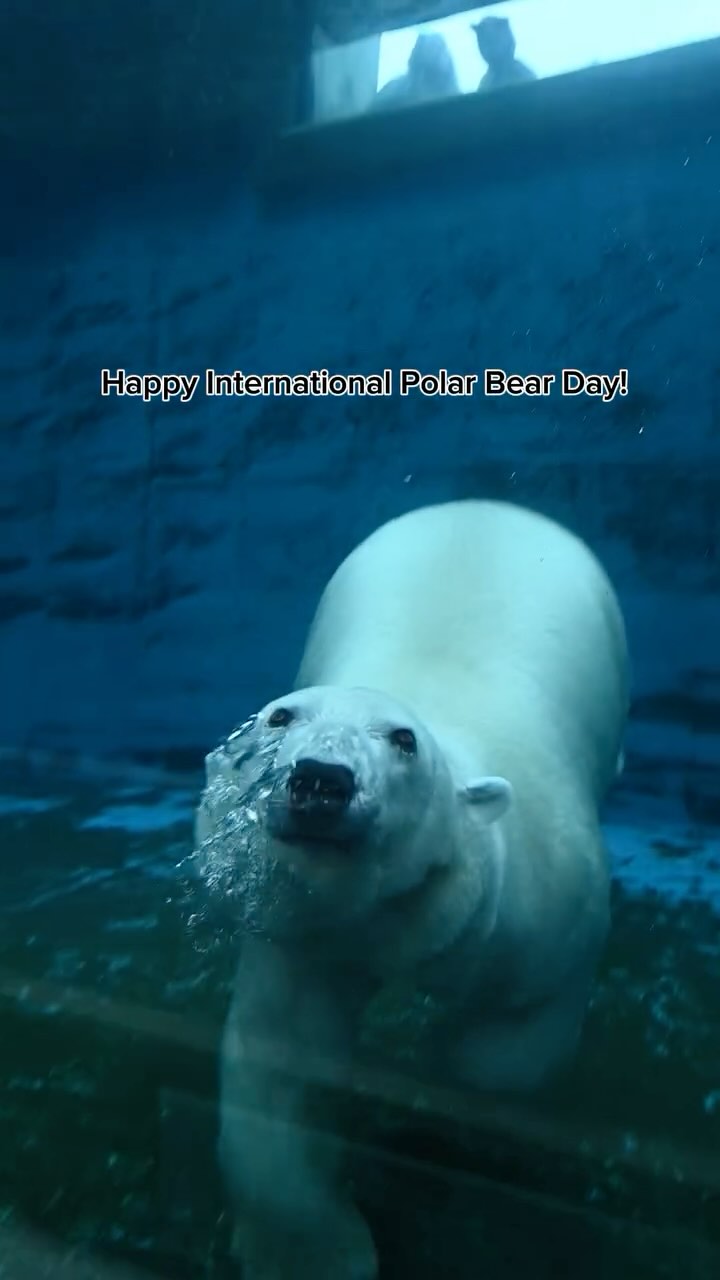
International Polar Bear Day is a crucial occasion observed annually on February 27th. It emphasizes the plight of polar bears and the effects of climate change on their habitats. Polar Bear International, a leading organization dedicated to the conservation of this magnificent species, plays a pivotal role in raising awareness and fostering community engagement. Snowflake, a resident polar bear in a conservation facility, symbolizes the joy of this day. Her recent activities, such as enjoying enrichment and indulging in an ice cake that celebrated the occasion, exemplify the important connection between human actions and wildlife welfare.
Enrichment activities are vital for the well-being of captive polar bears. Unlike their wild counterparts, these bears may not have to hunt for food or navigate complex terrains. Therefore, enrichment serves to stimulate their natural behaviors, keeping them active and engaged. Snowflake’s recent dive into her habitat illustrates this need perfectly; she participates in behaviors typical for her species, promoting physical activity and mental stimulation. Sensory experiences, which can include varied diets and physical challenges, mimic natural behaviors and provide mental stimulation. Keeping polar bears engaged in their environment is essential for their health and helps maintain their physical fitness.
Polar bears face significant challenges in their natural environments. Climate change is the largest threat, causing rapid changes in sea ice, which is critical for bear survival. As ice diminishes, polar bears struggle to hunt seals, their primary food source. In addition to climate change, pollution and human encroachment into Arctic territories present further complications. Oil spills, plastic waste, and industrial development degrade the habitat, amplifying the risks bears face. The decline in sea ice not only leads to food scarcity but also impacts reproduction rates and cub survival.
Organizations like Polar Bear International work tirelessly to counter these threats through various conservation strategies. One of their key approaches is scientific research, which helps gather data on polar bear populations, their health, and their habitat needs. This information is crucial for developing effective management plans. Furthermore, educational outreach initiatives aim to inspire individuals to take action against climate change by reducing their carbon footprints. The Arctic Ambassador Center Network connects various institutions that focus on education and research related to polar bear conservation. By joining forces, these centers increase awareness and understanding of the challenges polar bears face.
Each person can contribute to the conservation of polar bears through simple yet impactful actions. Raising awareness through social media, supporting eco-friendly practices, and donating to reputable wildlife organizations all make a difference. Engaging in community initiatives can also amplify efforts toward reducing climate change. The responsibility falls on everyone to ensure a sustainable future for polar bears and the ecosystems they inhabit. Education plays a critical role in this effort; by understanding the issues at hand, individuals can be better equipped to take informed action.
Snowflake’s celebration on International Polar Bear Day serves as a joyful reminder that while the challenges are significant, there is hope. Awareness and proactive efforts can lead to tangible improvements for polar bear populations across the Arctic. By sharing her story, organizations can inspire more people to get involved in polar bear conservation. Upholding the legacy of the species depends on collective action, placing emphasis both on the scientific work being done and the personal commitments individuals can readily engage in.
The celebration of International Polar Bear Day also incorporates fun activities geared toward educating younger audiences. Incorporating arts and crafts, educational workshops, or interactive informational sessions can spark an interest in wildlife conservation. Activities that mimic natural behaviors encourage children to develop a greater appreciation for wildlife. As they learn about polar bears, future generations can become fervent advocates for their protection, fostering a deeper connection to the natural world.
It’s essential to address the misconceptions that can arise about polar bears and their behaviors. For instance, while the image of a polar bear may conjure thoughts of a magnificent hunter, many do not understand their dependence on sea ice for hunting. This disconnect can affect the level of support polar bears receive in conservation efforts. Communication is key in bridging this gap. The more people know about the struggles faced by polar bears, the more likely they are to support conservation efforts. Educational events and social media campaigns are effective vehicles for disseminating this important knowledge.
Additionally, the role of zoos and aquariums in polar bear conservation cannot be understated. Facilities that participate in breeding and research initiatives contribute to the genetic diversity needed for healthier populations. They provide sanctuary for bears that may not survive in the wild due to health issues or habitat loss. By partnering with organizations like Polar Bear International, these institutions further amplify their conservation efforts. They can conduct educational outreach to raise awareness about polar bears and the necessity of protecting their natural environments.
Community involvement is a powerful tool for conservation. Local projects can be launched aimed at reducing plastic pollution and supporting renewable energy initiatives, which directly benefit polar bear habitats. Moreover, fostering relationships with local policymakers to advocate for stricter regulations can create long-lasting change. Individuals can form coalitions to campaign for wildlife protection policies, emphasizing the necessity of preserving natural habitats.
Investing time in wildlife conservation not only benefits polar bears but also bolsters community cohesion. When people come together for a cause, they often find a shared sense of purpose that extends beyond the initial objective. This communal aspect of conservation work strengthens relationships and encourages individuals to stay informed about wildlife issues.
For those passionate about engaging in polar bear conservation, numerous resources are available. Polar Bear International’s website hosts a wealth of information, including actionable tips for reducing one’s carbon footprint and ways to support their mission. Additionally, participating in local clean-up activities or educational workshops can foster a deeper understanding of the importance of preserving polar bear habitats.
Whether through direct action or raising awareness, each effort contributes to the broader objective of ensuring a stable future for polar bears. The ongoing dialogue about conservation practices sheds light on the ecological ramifications of climate change impacting the Arctic. Snowflake’s dive into her habitat serves as a celebration not just of a single day, but of the ongoing commitment to preserving the majestic species for generations to come.
Every action taken today will resonate into the future, emphasizing the necessity of solidarity in the fight for polar bear conservation. Engaging with established organizations like Polar Bear International provides valuable frameworks for individual contributions, highlighting how collective action fosters change. It allows for an integrated approach to wildlife conservation that combines scientific research with community engagement.
Through education, action, and collaboration, the vision of a thriving polar bear population is achievable. The time to act is now, and initiatives like International Polar Bear Day channel focus onto this critical cause. It inspires not only awareness but also passion in protecting these iconic animals from the dire consequences of climate change and habitat loss. By working together, there is optimism for a future where polar bears can thrive in their natural environments once more.
*****
Source Description
It’s International ! Snowflake, our resident polar bear, enjoyed some enrichment and even took a dive! She celebrated with an ice cake, fish, and honey and applesauce spelling out “International Polar Bear Day!” Join us and our friends at @polarbearsinternational in ensuring a future for polar bears across the Arctic. We are a proud member of Polar Bear International’s Arctic Ambassador Center Network, and are passionate about polar bear conservation as the animals face changes in their natural environment. Together, we can ensure that polar bears prosper in the wild! Learn more about the day and how you can help: pbears.org/intlpolarbearday
