
- The visual language of animal adaptations in nature
- The role of fashion in animal behavior and social interaction
- Conservation efforts in protecting animal habitats and diversity
- Anthropomorphism in wildlife observation and its implications
- How animal "fashion" reflects broader ecological concepts and species survival
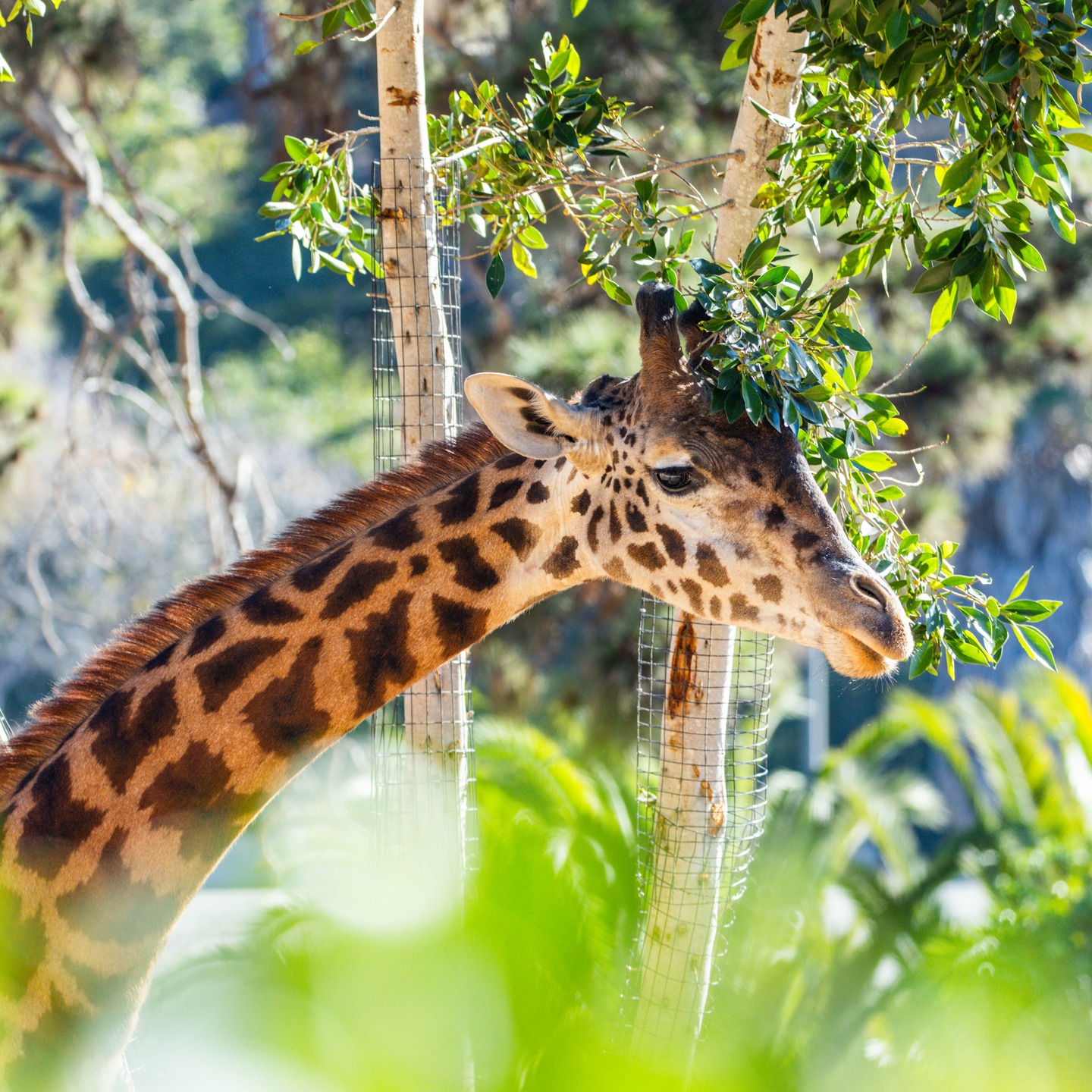
Fashion in the animal kingdom is a topic that ignites the imagination. The Masai giraffe, with its striking patterns and remarkable stature, embodies the intersection of nature and aesthetic appeal. These adaptations serve not only as visual indicators but also fulfill vital roles in survival and social interaction. The beauty we observe in wildlife often translates into how species exhibit physical characteristics, engage with their surroundings, and communicate with one another.
The striking coat of the Masai giraffe, with its irregular patches in shades of brown and cream, is more than just eye-catching. These distinctive patterns provide effective camouflage among the foliage of the savannah. For instance, the patch shapes and colors can disrupt the outline of the giraffe’s body against the acacia trees, making it less visible to predators. This natural wardrobe does not merely serve a purpose but showcases the intricate artistry of evolution.
In the broad spectrum of animal behaviors, "fashion" can be understood as the physical traits that animals possess to attract mates and deter rivals. In many species, bright colors, intricate patterns, or elaborate displays are paramount during mating rituals. The vibrant plumage of a bird or the elaborate mane of a lion can be seen as nature’s way of communicating fitness and vitality. Each species has evolved its own version of "fashion," making these traits essential for reproduction and survival.
When considering animal behavior, it becomes clear that fashion is not solely a visual dialogue. It extends to social interactions and environmental adaptations. Many species employ strategies such as scent-marking or vocalizations that can be likened to their own forms of self-adornment. An animal may utilize its habitat—like a giraffe bending low to eat leaves—while simultaneously showcasing its unique features.
The conservation of these species and their distinctive adaptations is vital not only for biodiversity but also for maintaining ecosystem balance. The ongoing loss of habitats due to human activities poses a significant threat. Organizations around the world are putting efforts into wildlife conservation, targeting areas where species like the Masai giraffe are at risk. Programs focused on habitat preservation and anti-poaching measures are critical for ensuring that these animals can maintain their "fashion" and continue to thrive in their natural environments.
To understand the significance of animal fashion, it is essential to examine the impact of anthropomorphism—projecting human traits onto animals. While this inclination can heighten our appreciation for wildlife, it can also skew perception. As humans, we may assign human feelings to animals based on their appearances, sometimes misrepresenting their behaviors. A giraffe adorned with a leafy accessory may mirror a playful interaction, and while charming, it may cloud our understanding of the animal’s true nature.
In wildlife observation, it’s important to appreciate the intricate relationship between an animal’s outward appearance and its ecological role. Anthropomorphic interpretations can lead to a misunderstanding of animal behavior and ecology. By observing animals like the Masai giraffe with an objective lens, we gain insights into their roles within ecosystems. Each characteristic—be it color, size, or behavior—holds evolutionary significance.
Communication among animals often involves complex fashion statements that extend beyond physical traits. For example, other mammals, birds, and insects also rely heavily on visual cues. Tail feathers may signal attraction, while markings can relay information about territory. The Masai giraffe’s long neck and unique coat patterns are not only a hallmark of its beauty but are crucial for survival, facilitating feeding while providing subtle cues to other giraffes about its health and status.
The implications of wildlife fashion from a conservation standpoint are profound. Public interest in animals and their aesthetic qualities can drive awareness and support for conservation initiatives. When individuals connect emotionally with wildlife, they may feel compelled to protect it. This emotional connection can foster greater advocacy for habitat preservation, anti-poaching legislation, and overall environmental stewardship.
Animal fashion plays a pivotal role in wildlife tourism, where visitors are drawn to the unique features of animals. Giraffe-themed tours or wildlife safaris allow people to appreciate the remarkable beauty of species in their natural habitats. However, ethics must guide these enjoyments; it’s crucial that wildlife tourism supports local conservation efforts and does not exploit or endanger animal populations.
Moreover, understanding animal fashion contributes to broader ecological concepts. Adaptations in appearance are reflections of evolutionary pressures and habitat conditions. Species must adapt continuously to their environments, responding to climate changes and human encroachment. The Masai giraffe’s stunning patterns are examples of evolutionary artistry shaped by ecological contexts, showcasing how aesthetics and functionality are interwoven topics in zoology.
In studying the Masai giraffe and similar species, researchers gather vital data that extends beyond beauty. Observations regarding behavior, social dynamics, and environmental adaptations are crucial for wildlife management and conservation efforts. By employing a mix of technological advances and traditional field studies, scientists can elucidate patterns. The analysis of animal fashion provides a window into survival strategies and ecological interdependencies.
Further, zoological institutions play an essential role in demonstrating the connection between fashion and conservation. By showcasing species with distinct patterns or features, zoos and aquariums can enhance public understanding of the importance of biodiversity. Educational programs that highlight animal adaptations can inspire future generations to prioritize conservation and responsible environmental practices.
Ultimately, “It’s called fashion” resonates across species, holding lessons for those willing to observe deeply. Each adaptation tells a story about survival and ecological relationships, revealing the interconnectedness of life. The visual languages animals employ through their appearances reflect intricate adaptations that serve specific functions within their ecosystems.
Recognizing the multiplicity of meanings behind animal fashion encourages a more profound connection with the natural world. This understanding fosters a sense of responsibility and stewardship for wildlife conservation, ensuring these unique adaptations are preserved for future generations. By nurturing our appreciation for animals and their intricate adaptations, we help safeguard the biodiversity vital to a thriving planet.
This reflection on animal fashion urges us to engage thoughtfully with wildlife and the ecological challenges it faces. The Masai giraffe, with its elegant looks and survival strategies, serves as an enduring emblem of nature’s artistry, inspiring conservation efforts and enhancing our collective understanding.
*****
Source Description
It’s called fashion… 💁🌿🦒
Alt-text: Theo the Masai giraffe ducks under a leaf-covered branch hanging from a tree. The leaves rest on top of his head and he looks at our camera as if to model a green wig for us.
