
- International Primate Day: An Overview and Importance
- The Diversity of Primate Species
- Threats Facing Non-Human Primates
- Conservation Efforts by the WCS and Prospect Park Zoo
- How You Can Contribute to Primate Conservation
International Primate Day, observed annually on September 1, serves as a pivotal moment for raising awareness about the rich diversity of primate species. This day not only highlights the unique characteristics of various non-human primates but also draws attention to the critical challenges they face across the globe. As we celebrate this day, it is vital to understand why primates matter, the threats they encounter, and how initiatives like those at the Prospect Park Zoo and the Wildlife Conservation Society (WCS) are addressing these pressing issues.
Primates, which include prosimians such as lemurs, and two major groups—monkeys and apes—exhibit a wide range of behaviors, adaptations, and social structures. Understanding this diversity is crucial for fostering a deeper appreciation for these animals and the ecosystems they inhabit. For example, lemurs, native to Madagascar, showcase remarkable adaptations to their environment, ranging from their long tails that aid in balance to their diverse dietary choices. On the other hand, apes such as orangutans, gorillas, and chimpanzees demonstrate complex social networks, showcasing intelligence and emotional depth.
However, despite their fascinating traits, primates face multiple threats that jeopardize their survival. Habitat loss, driven predominantly by deforestation and land conversion for agriculture, has severely diminished their natural homes. The illegal wildlife trade poses another significant danger, as many primate species are captured and sold for entertainment or as pets. Along with hunting for bushmeat, these factors have dramatically reduced population numbers for several primate species, leading to many being classified as threatened or endangered.
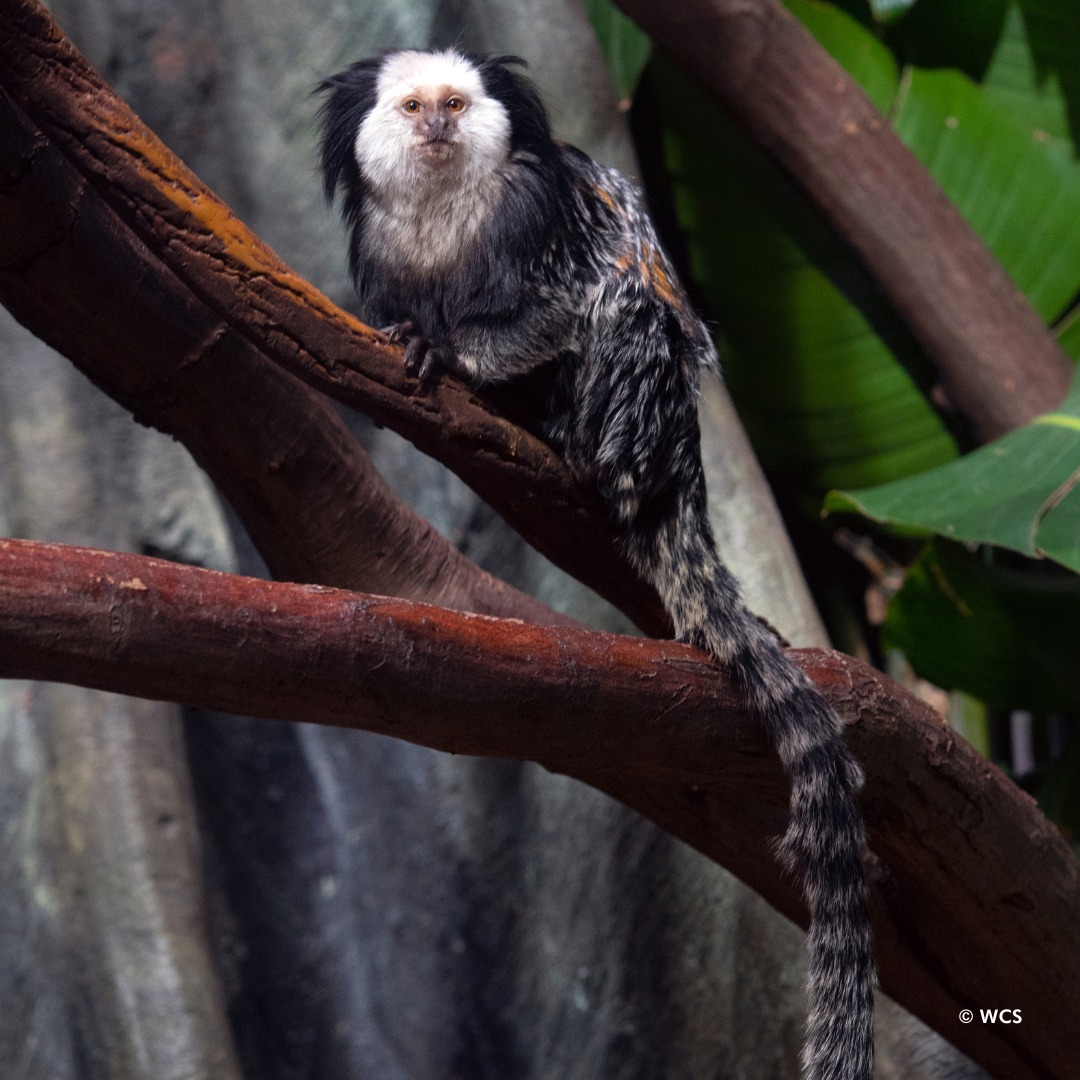
Focusing on the specific role of the Prospect Park Zoo in these conservation efforts illustrates how urban zoos can contribute positively to wildlife protection. This zoo is home to a range of primate species including Geoffrey’s marmosets, Hamadryas baboons, Bolivian grey titi monkeys, and golden lion tamarins. Each species serves a specific ecological role within its habitat, and by supporting a diverse collection of primates, the zoo provides valuable educational opportunities to visitors about conservation issues. Visitors can learn about the various species’ natural behaviors and the unique challenges they face both in the wild and in captivity.
The WCS plays a crucial role in global primate conservation, working across key regions in Africa, Asia, and South America. Their efforts focus on preserving habitats, combating illegal wildlife trade, and promoting sustainable practices that benefit both local communities and wildlife. In addition to on-the-ground interventions, WCS also engages in educational outreach, fostering a greater understanding of primate conservation needs. This education is vital for encouraging the next generation to care about wildlife and ecological issues.
As individuals, there are several ways you can contribute to primate conservation efforts. Visiting local zoos like the Prospect Park Zoo not only supports their initiatives but also helps spread awareness about the importance of wildlife protection. Participating in conservation programs, volunteering, or even advocating for responsible tourism can make a difference. Additional support can come through donations to organizations focused on wildlife conservation, such as WCS, which fund vital research and rehabilitation efforts.
In summary, International Primate Day is a significant occasion dedicated to raising awareness about the importance of primate species and the threats they face. Understanding the diversity of non-human primates, the challenges posed by habitat destruction and illegal trade, and the ongoing conservation efforts by organizations such as the WCS and local zoos are crucial for fostering a future where these extraordinary animals can thrive. As we engage with these issues, we must recognize our role in protecting wildlife and wild places, inspiring action and advocacy for future generations to come.
*****
Source Description
We couldn’t let International Primate Day pass us by! Observed annually on September 1, this day is dedicated to raising awareness of the diversity of primate species. Non-human primates, including prosimians (lemurs and their relatives), monkeys, and apes, face significant threats, including habitat loss, hunting, and illegal trade, with many species being threatened with extinction.
The Prospect Park Zoo is home to Geoffrey’s marmosets, Hamadryas baboons, Bolivian grey titi monkeys, golden lion tamarins, and more. WCS works to conserve primates across key regions in Africa, Asia, and South America. We hope you will visit the Prospect Park Zoo soon to learn about our work and be inspired to join us in our mission to protect wildlife and wild places.
