
- The Decline of Tiger Populations: Historical Context and Current Numbers
- Major Threats to Tiger Survival: Habitat Loss, Poaching, and Conflict
- Conservation Efforts: Strategies to Protect Tigers and Their Habitats
- The Importance of Tigers in Ecosystems: Their Role and Impact
- How You Can Help: Individual Actions for Tiger Conservation
The Decline of Tiger Populations: Historical Context and Current Numbers
A century ago, approximately 100,000 wild tigers roamed the forests, grasslands, and mountains of Asia. This staggering number has decreased alarmingly to fewer than 6,000 today. Various factors contributed to this dramatic decline, including increased human activity and the lack of awareness about tiger conservation. Among the endemic regions where tigers once flourished, their populations have faced staggering reductions.
These majestic creatures now occupy just 7% of their historical range in the wild. The primary subspecies, such as the Bengal, Indochinese, and Siberian tigers, continue to be listed as endangered. In certain areas, such as Southeast Asia, declines have been more pronounced, with species facing extinction within the next several decades. Understanding the historical context can inform future conservation efforts and emphasize the commitment needed to restore tiger populations.
Major Threats to Tiger Survival: Habitat Loss, Poaching, and Conflict
Tigers face multiple threats that jeopardize their survival. Habitat loss remains a significant challenge. As human populations expand, forests are cleared for agriculture, infrastructure, and urban development. This accelerates fragmentation, isolating tiger populations and limiting their ability to breed. Such habitat destruction not only diminishes food sources but also increases human-wildlife conflict.
Poaching is another critical issue that places immense pressure on tiger populations. Their pelts, bones, and other body parts are sought after in illegal wildlife trade. Despite international laws prohibiting such activities, the demand remains high, driven primarily by traditional medicine practices and luxury items. National and international conservation laws aim to curb poaching, yet enforcement remains inconsistent.
Human-wildlife conflict exacerbates the situation further. Tigers often venture into human-inhabited areas in search of food, leading to confrontations. Livestock predation can result in retaliatory killings, further diminishing their already fragile numbers. These conflicts highlight the delicate balance between human needs and wildlife conservation.
Conservation Efforts: Strategies to Protect Tigers and Their Habitats
Significant organizations worldwide are devoted to tiger conservation. Their strategies encompass several approaches. Protected areas, such as national parks and reserves, play an essential role in safeguarding tiger habitats. These areas not only offer refuge for tigers but also help preserve the biodiversity within these ecosystems.
Community engagement is another crucial component of conservation efforts. By involving local communities in initiatives, conservationists can promote coexistence. Education initiatives raise awareness about the ecological importance of tigers and how their survival aligns with human welfare. Sustainable practices in agriculture and tourism can also provide economic incentives while reducing habitat destruction.
Captive breeding programs serve as a safety net for endangered subspecies. These programs aim to increase genetic diversity and provide populations for reintroduction into the wild. While captive breeding is an essential aspect of conservation, the ultimate goal remains to strengthen wild populations through habitat protection.
The Importance of Tigers in Ecosystems: Their Role and Impact
Tigers occupy apex predator status within their ecosystems, playing a crucial role in maintaining ecological balance. Their hunting behavior regulates prey populations, thus preventing overgrazing and promoting vegetation diversity. In turn, this contributes to the health of entire ecosystems, benefiting various species, including other mammals, birds, and plants.
The presence of tigers can indicate the health of an ecosystem. A stable tiger population often signifies a rich biodiversity where natural processes flourish. Conversely, declining tiger populations can serve as a warning sign for ecosystem degradation. Protecting and preserving tigers therefore extends beyond their individual existence; it is intrinsically linked to overall environmental health.
How You Can Help: Individual Actions for Tiger Conservation
Awareness is the first step toward action. Understanding the significance of tiger conservation can inspire individuals to contribute to the cause. Many organizations welcome donations to support education, habitat protection, and anti-poaching initiatives. Raising awareness through social media can amplify messages surrounding tiger conservation, encouraging more individuals to take notice.
Volunteering can also make a difference. Many conservation agencies and zoos offer opportunities to support tiger protection programs, either locally or globally. Involvement in local wildlife organizations can cultivate a sense of community while promoting conservation efforts.
Adopting sustainable practices in daily life can also contribute to tiger conservation. This includes making conscious choices about consumer products, supporting businesses that prioritize sustainability, and advocating for policies that protect wildlife habitats. Public demand can drive change in industries that contribute to habitat destruction.
In summary, the survival of tigers relies on collective efforts. From understanding their plight to actively participating in conservation initiatives, every individual can play a role in ensuring these big cats thrive once again. Investing in tigers equals investing in our ecosystems and the future for many species. Through dedicated action, we can shift the trajectory of tiger populations and work toward a future where these iconic creatures roam freely and abundantly in their natural habitats.
*****
Source Description
🐯 It’s International Tiger Day! 🧡
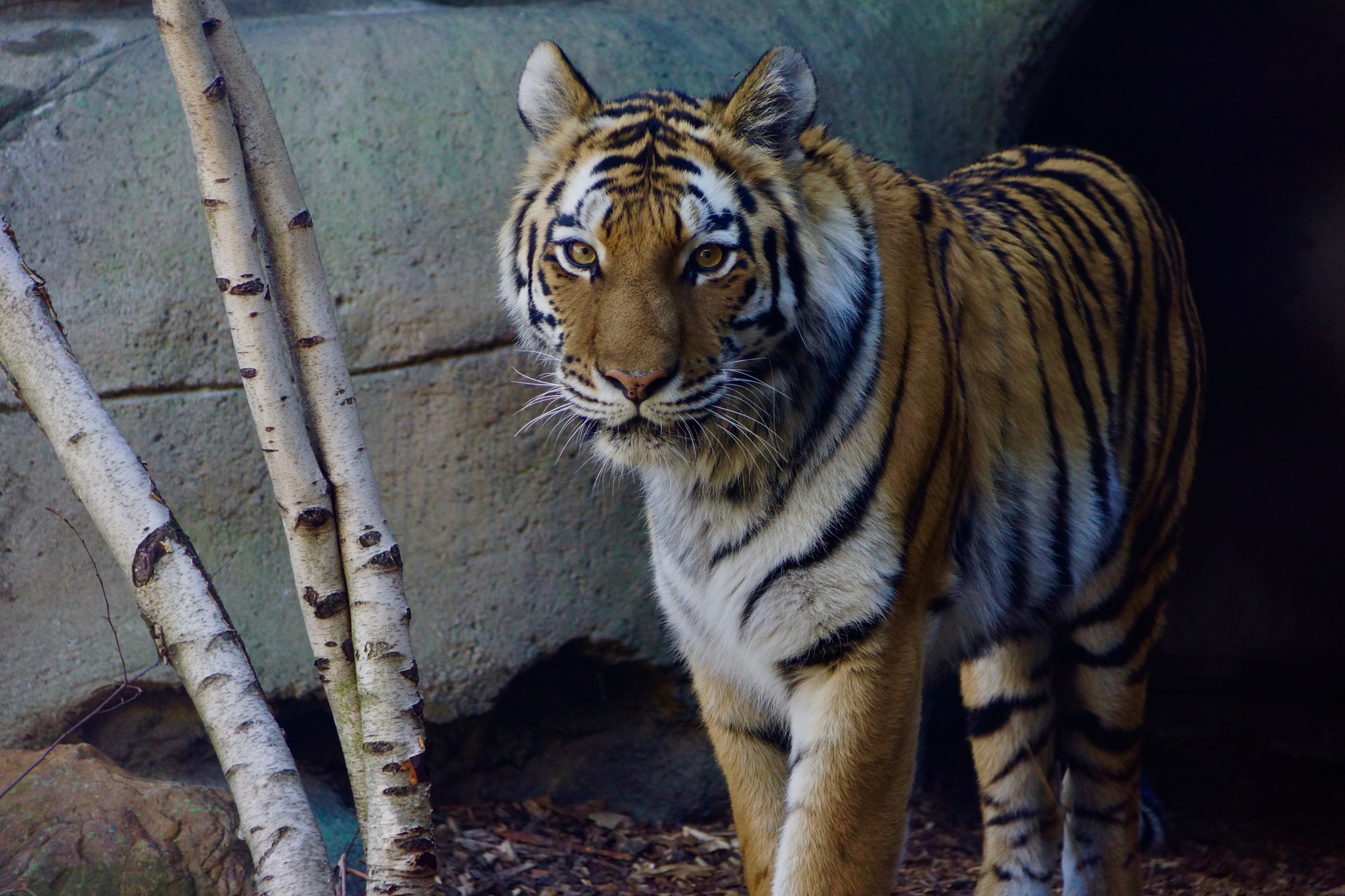
A century ago, there were around 100,000 wild tigers. Today, fewer than 6,000 remain. These majestic big cats are endangered due to habitat loss, poaching, and human-wildlife conflict. Let’s work together to protect their future through conservation.
📷Chuck Kaloustian
