
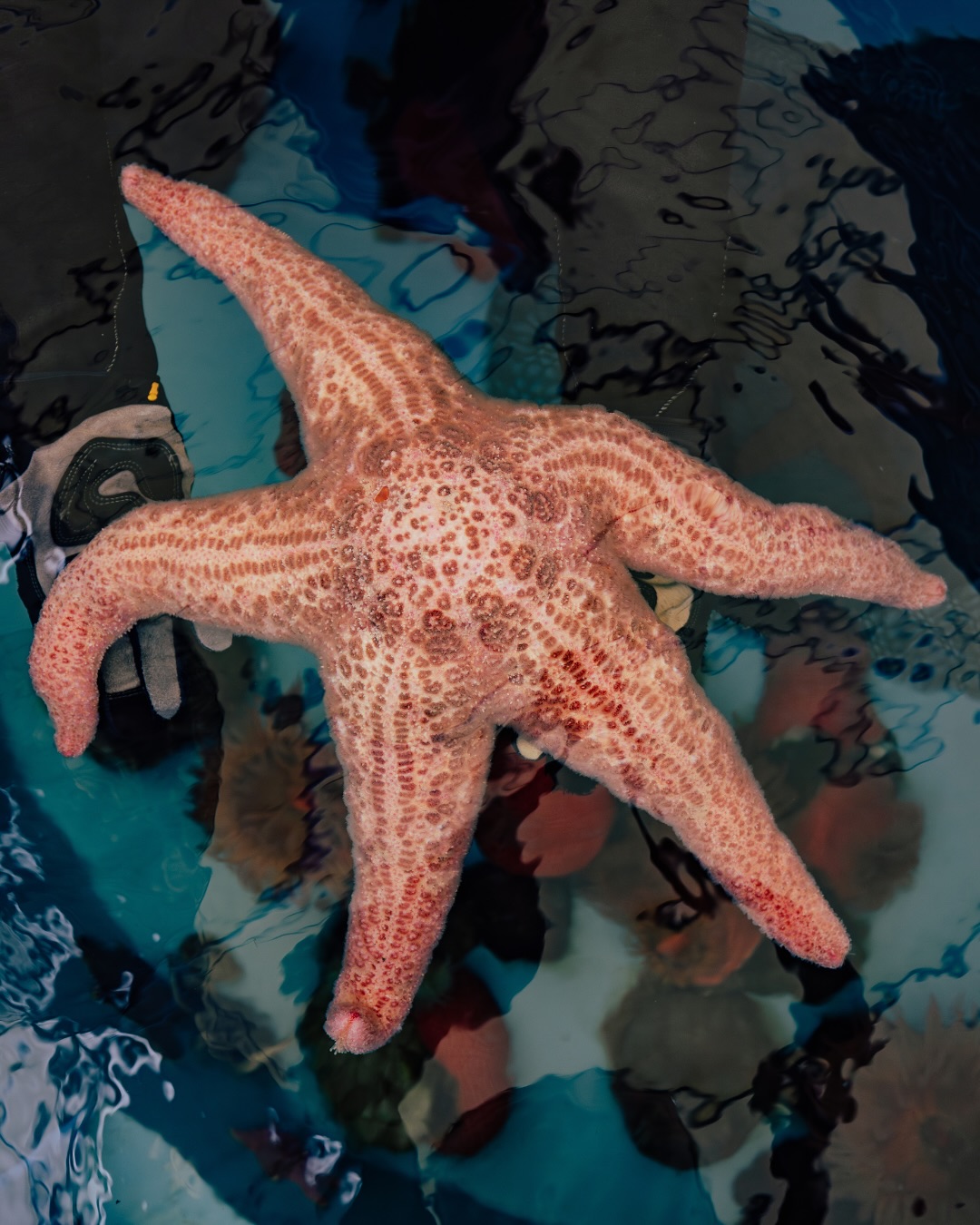
- Introduction to the Tide Pool exhibit and its significance
- Scientific aspects of the marine invertebrates within the exhibit
- Environmental influence and conservation efforts related to tide pools
- The importance of interactive learning experiences in public education
- Special features and visitor engagement opportunities at the Tide Pool
The Tide Pool exhibit marks a significant addition to our educational offerings, allowing visitors to engage with marine life in an innovative and immersive manner. Stretching over 60 feet long and holding approximately 4,000 gallons of 50° water, this exhibit is designed to bring visitors closer to the diverse life found in cold-water habitats. It stands out as one of the only cold-water touch habitats on Florida’s west coast, providing an exciting opportunity for both educational and recreational experiences. By exploring this exhibit, we aim to raise awareness about marine ecosystems and foster a sense of responsibility towards marine conservation.
Within the Tide Pool exhibit, more than 200 marine invertebrates call this space home. These creatures play vital roles in their ecosystems. For instance, sea stars are keystone species, helping maintain the balance within their surroundings by preying on mussels to prevent overpopulation. Urchins, another prominent inhabitant, contribute to algal balance in coastal habitats. Understanding the ecological roles of these organisms not only highlights their importance but also illustrates how interconnected marine life can be. Each species operates in a delicate balance, showcasing the intricate web of life that thrives in tide pool ecosystems.
As visitors interact with the marine invertebrates, it’s essential to discuss the environmental implications related to these habitats. Tide pools are often vulnerable to environmental changes such as climate shift and habitat degradation. These pools can experience temperature fluctuations, salinity changes, and pollution, all of which influence the organisms living therein. By educating visitors on these issues, we hope to raise awareness about the fragility of coastal ecosystems and the necessity for conservation efforts. Protecting these environments is crucial, not just for the marine life but for the health of our oceans and planet as a whole.
Interactive exhibits like the Tide Pool enhance learning experiences and play a pivotal role in public education about marine ecosystems. Engaging directly with marine invertebrates allows visitors to cultivate a deeper understanding and appreciation for these organisms. This hands-on approach fosters curiosity and encourages individuals to think critically about environmental stewardship. By illustrating the interconnectedness of marine and terrestrial environments, each visitor leaves with a greater sense of responsibility toward protecting our natural world.
Another significant aspect of the Tide Pool is its diverse interactions planned for visitors. During the grand opening on August 1st, we will host guided tours, including discussions led by marine biologists. These knowledgeable experts will provide insights into the significance of each species present in the exhibit, facilitating a deeper understanding of marine biology. Interactive demonstrations will showcase important concepts such as adaptation and survival strategies among tide pool inhabitants. Additionally, various educational materials will be available, enabling visitors to continue learning even after they leave.
Each feature in the Tide Pool is scientifically curated to maximize educational impact. Through skilled management, we ensure that all marine organisms are housed in optimal conditions, reflecting their natural habitats as closely as possible. This careful consideration promotes the well-being of the invertebrates and showcases our commitment to animal welfare. Such dedication is crucial for instilling trust and credibility within the public regarding wildlife conservation efforts. Our team continuously monitors water quality, temperature, and tank conditions to create a stable environment for our marine inhabitants.
Moreover, continuous data collection regarding visitor interactions and learning outcomes helps improve future exhibits and programs. By analyzing feedback and monitoring engagement levels, we can identify effective strategies for enhancing public interaction. This commitment to improvement not only benefits future visitors but also contributes to the broader field of zoology and aquarium management. Knowledge gained through this process can help improve conservation strategies and educational methodologies used globally.
As we prepare for the grand opening of the Tide Pool exhibit, it’s essential to recognize the importance of community engagement. Local partnerships with schools, environmental organizations, and conservation groups foster collaboration that amplifies our message. We encourage community members to participate in events, workshops, and volunteer opportunities that focus on marine conservation. By involving the public in hands-on conservation projects, we can collectively develop a culture of environmental responsibility and inspire future generations.
Fundamentally, the Tide Pool serves as more than just an exhibit; it aims to instill a passion for marine life and conservation practices. By engaging visitors of all ages, we hope to foster lifelong advocates for marine ecosystems. Learning about marine invertebrates and their habitats is not just about acquiring information; it is about igniting a desire to protect these vital resources.
The educational journey does not end with the exhibit. Our staff will regularly update the audience on research findings, conservation challenges, and practical actions individuals can take to make a difference. By providing our visitors with resources and a deeper understanding, we can empower them to participate in conservation efforts actively.
As we launch Tide Pool Tuesday, we invite everyone to join us in this educational adventure. Each Tuesday, we will highlight various aspects of the Tide Pool, from species spotlights to conservation tips. The aim is to create an ongoing dialogue about marine ecosystems and their significance to our environment and society.
In summary, as we embark on this new educational series and prepare for the Tide Pool exhibit, our focus is firmly on marine education and conservation. By exploring the diversity of marine invertebrates and the challenges they face, we can inspire individuals to take meaningful actions towards preserving these habitats. The Tide Pool is not merely an exhibit; it represents our commitment to environmental stewardship and community involvement, ensuring that we continue to educate, inspire, and participate in the journey of marine conservation.
*****
Source Description
We’re starting a new series called Tide Pool Tuesday’s where you can learn all about our new hands-on exhibit, The Tide Pool! 🌊🪸
Here’s some quick fun facts about it:
– It’s more than 60 ft long
– It holds 4,000 gallons of 50° water
– There are over 200 marine invertebrates
– It’s one of the only cold-water touch habitats on Florida’s west coast
Mark your calendars for our grand opening on August 1st! 🎉
