
- The Role of Zoo Educators in Conservation
- Engaging the Public: How Zoo Educators Foster Awareness
- A Day in the Life of a Zoo Educator
- Educational Programs That Make a Difference
- The Importance of Animal Ambassadors in Conservation Education
The Role of Zoo Educators in Conservation
Zoo educators play a pivotal role in wildlife preservation and education. They serve as liaisons between the animal inhabitants of the zoo and the visiting public. Their responsibility extends beyond merely imparting knowledge; they aim to inspire conservation action among visitors. By providing insights into ecological systems, animal behavior, and conservation strategies, zoo educators foster an understanding of the challenges facing wildlife today.
Through engaging presentations and interactive experiences, these professionals highlight the importance of biodiversity. They emphasize the interdependence between species, stressing that the loss of one could have far-reaching impacts on entire ecosystems. This education is crucial, as current global trends indicate increasing threats to wildlife due to habitat loss, climate change, and poaching. Zoo educators actively address these issues and encourage visitors to contribute toward change, whether through grassroots initiatives or larger conservation efforts.
Engaging the Public: How Zoo Educators Foster Awareness
Engagement is the cornerstone of effective education in a zoo setting. Zoo educators craft experiences that captivate audiences of all ages. From guided tours and animal encounters to workshops and talks, educators create varied opportunities for learning. It’s not just about conveying facts; it’s about making connections.
For example, animal feedings are often used as a platform to discuss specific species’ diets and habitats. Visitors not only have the chance to see the animals up close but can also learn about their natural environments and what threatens them. Demonstrations can include how to create wildlife habitats in backyards or the significance of reducing plastic consumption. Through such practical examples, educators provide visitors with actionable steps to make a difference.
Additionally, social media has become an invaluable tool for zoo educators. Platforms like Instagram allow for real-time sharing of experiences, engaging a broader audience. Today, many zoos take to social media to showcase animal behavior, conservation successes, and educational segments. This dynamic interaction fosters a sense of community and shared responsibility toward animal welfare and environmental preservation.
A Day in the Life of a Zoo Educator
The daily routine of a zoo educator is both varied and rewarding. Mornings often begin with educating themselves about the animals under their care. This entails understanding any behavioral changes or health issues, which can inform their curriculum when interacting with visitors. After meeting with the animal care team to discuss the day’s agenda, they prepare materials for various programs.
Throughout the day, educators engage with visitors, ranging from school groups to casual tourists. Interaction can include answering questions, leading animal demonstrations, or facilitating activities tailored toward young audiences. It’s essential for educators to create a welcoming environment, fostering open dialogues about wildlife and conservation.
Moreover, educators often conduct data collection to gauge visitor engagement and understanding. This assessment allows for ongoing improvement in educational strategies and programs. The feedback collected helps to refine future exhibitions and enhance the overall visitor experience.
Educational Programs That Make a Difference
Educational programs are at the forefront of a zoo’s mission to promote conservation. These programs often range from formal school field trips to informal drop-in sessions for families. Each offers unique learning experiences and fosters a deeper appreciation for wildlife.
For schools, educators design curriculum-aligned programs that meet educational standards. These interactive lessons often include guided tours that enhance student engagement and allow for hands-on learning opportunities. In this setting, students can observe animals in their habitats while learning about scientific concepts such as ecosystems and biodiversity.
Community outreach programs are also essential in expanding educational initiatives beyond the physical confines of the zoo. These might involve workshops at local schools, educational fairs, or even neighborhood events. The goal is to reach a broader audience, including underserved communities who may not have easy access to wildlife education.
Digital education has gained momentum, particularly in response to recent societal shifts towards virtual learning. Many zoos now offer online programs that provide interactive learning experiences. These encompass live animal chats, virtual tours, and educational video series that enhance knowledge about wildlife conservation.
The Importance of Animal Ambassadors in Conservation Education
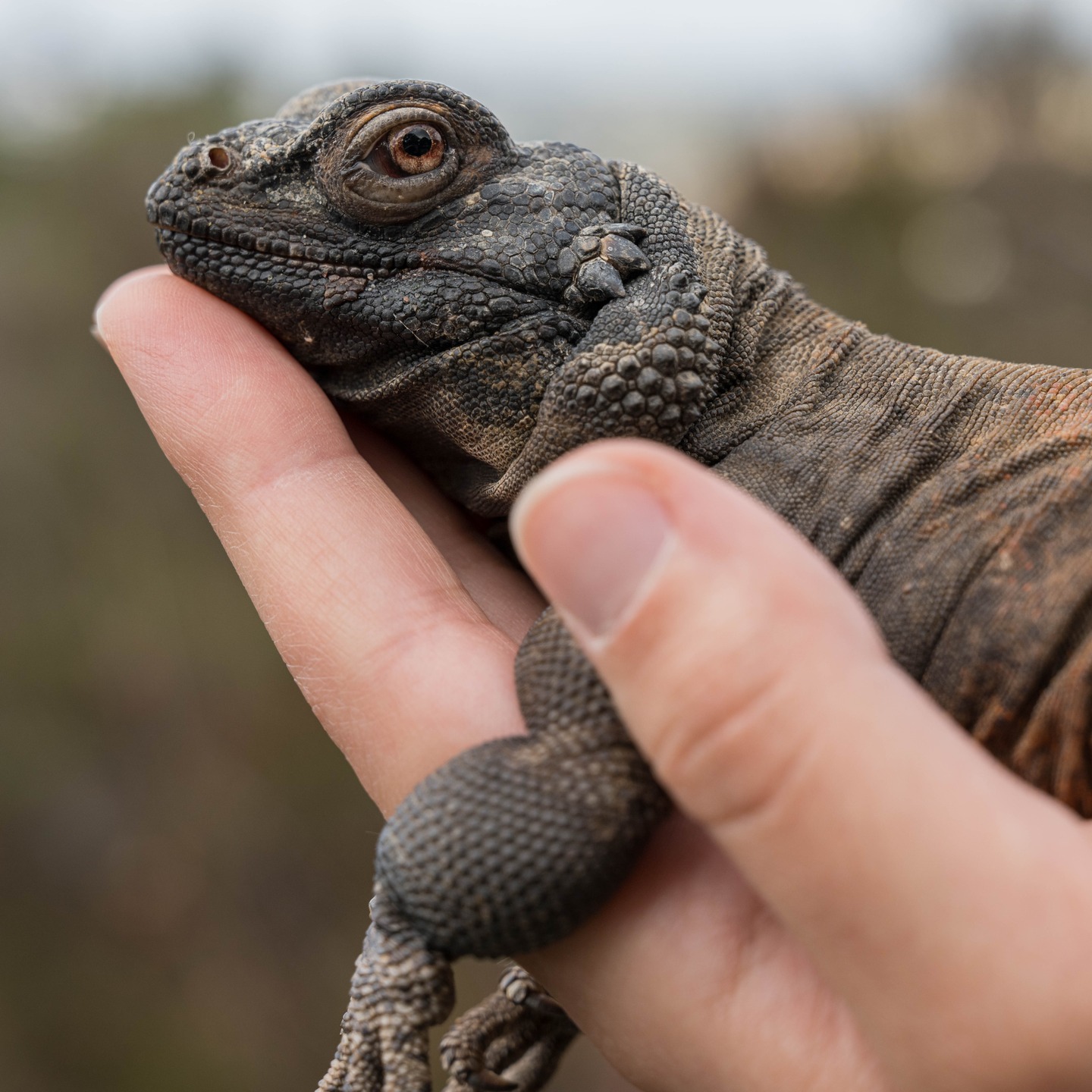
Animal ambassadors are often at the heart of zoo education programs. These are usually animals that have been raised in captivity and are familiar with human interaction. Educators utilize these animal ambassadors for demonstrations, allowing visitors to connect with the species on a personal level.
Using live interactions can transform abstract concepts about conservation into tangible experiences. For example, showcasing a hawk during a public program can provide insights into raptor rehabilitation efforts and the effects of urban development on bird populations. Through real-life stories and educational narratives, zoo educators can effectively highlight the need for conservation efforts.
Moreover, witnessing an animal up close fosters empathy and concern for its wellbeing. Visitors are more likely to take action when they feel a connection to the animals they meet. This emotional response can galvanize support for conservation initiatives, whether through adopting animals, supporting funds, or volunteering for habitat restoration projects.
Happy International Zoo Educator Day is an opportunity to recognize the contributions of these dedicated professionals. Their efforts help to cultivate a future generation that values wildlife and understands its fragility. By celebrating this day, we emphasize the significance of zoo educators in leading conservation education and inspiring action. The mission of fostering awareness about the importance of wildlife and our role in its preservation continues from the local to the global stage, echoing the message that every action counts.
As we engage with the vibrant community of zoo educators, let’s remember their role in driving critical conversations about conservation. By sharing their stories and experiences, we not only honor their work but also encourage others to step forward in supporting wildlife conservation. Today, take a moment to appreciate the nuanced, dedicated efforts of the Learning & Engagement team at Oakland Zoo as they cultivate the next generation of conservationists. The journey of education continues, and it starts with each of us.
*****
Source Description
Happy International Zoo Educator Day! 🎉
Today, our amazing Learning & Engagement team is taking over Instagram story to give you an exclusive look behind the scenes with our animal ambassadors and show you what a day in the life of a Zoo Educator is really like.
Help us celebrate the wonderful L&E crew at Oakland Zoo who make every visit special! 🦁🐒💚
📸: Allison Menelli
