
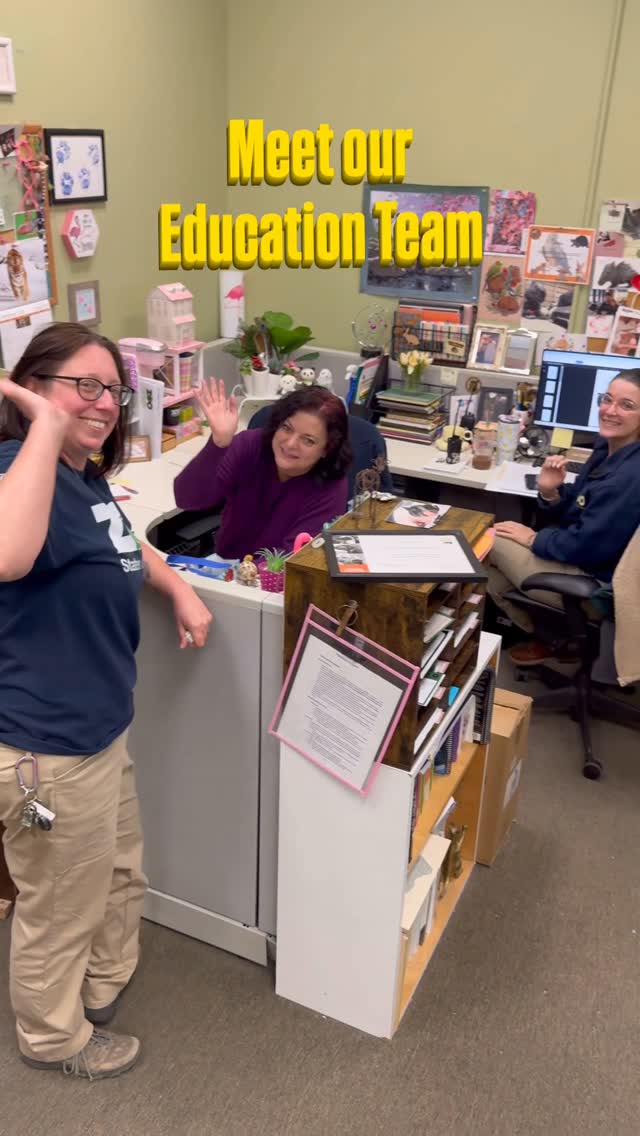
- Happy International Zoo Educators Day celebrates the critical role of zoo educators in wildlife conservation.
- The multifaceted responsibilities of zoo educators demonstrate their impact on community engagement and environmental stewardship.
- Effective education programs at zoos inspire action in wildlife protection and conservation.
- Collaboration among education staff enhances the learning experiences for visitors of all ages.
- Continuous professional development fosters innovative practices in zoo education.
Happy International Zoo Educators Day recognizes the tireless efforts of zoo educators who play a vital role in bridging the gap between wildlife and the public. Zoo educators are essential to wildlife conservation, offering knowledge that transcends basic facts and connects visitors with the natural world. Each member of the education team holds significant responsibilities that contribute to community understanding of wildlife and environmental protection.
The celebration of International Zoo Educators Day showcases the remarkable contributions made by individuals like Fox, Vicky, Marianne, Lori, Rose, Grecia, and Jess. Although their official titles are impressive, the roles these educators embody resonate even deeper within their daily tasks. Each person’s contribution goes far beyond education; they foster emotional connections to animals and ecosystems. Through interactive educational programs, workshops, and community outreach, educators demonstrate how informed action can lead to impactful conservation efforts.
Zoo educators are custodians of information. They curate programs that inform the public about the unique wildlife species, ecosystems, and the pressing need for conservation. Using hands-on experiences, animal encounters, and vivacious storytelling, they engage visitors in meaningful ways. Their presentations are often fueled by the latest scientific research, allowing them to impart accurate and relevant information. This relevance drives home the urgency surrounding wildlife threats, from habitat destruction to climate change.
For instance, Vicky, functioning as the Lead Animal Ambassador Keeper, not only cares for the animals but also works with visitors to explain the specific roles these animals play in their ecosystems. Her interactive sessions allow children and adults alike to appreciate the diversity and fragility of wildlife. This experiential learning approach reinforces the importance of empathy towards animals and their habitats. It is this personal connection that inspires an emotional response often necessary for sparking interest in conservation issues.
Education programs serve as a gateway to inspire community engagement. Looking at Grecia’s role as the Urban Advantage & Professional Development Coordinator, the impact she has on local youth becomes clear. She actively collaborates with schools to develop educational curriculums that align with academic standards while incorporating wildlife conservation topics. By doing so, she invites the next generation to be proactive stewards of their environment. The engagement extends beyond school walls. Parents and educators alike are encouraged to facilitate dialogue about wildlife and conservation at home.
A significant aspect of Zoo Educators Day is the emphasis on collaboration among the team members. Each person brings a distinct skill set, enriching the overall educational experience. By working together, they develop comprehensive initiatives that address various aspects of wildlife education. For example, Marianne’s role as the Volunteer, Docent & Intern Manager is crucial for building a robust volunteer network. Her leadership not only recruits passionate individuals but also provides essential training that allows volunteers to effectively engage with visitors. This synergy amplifies the educational outreach of the zoo, making learning more accessible.
Moreover, educators recognize the importance of continuously evolving their practices. With an ever-increasing body of scientific knowledge and social changes, staying informed is paramount. Jess, the Director of Education, emphasizes ongoing professional development to keep the education team at the forefront of innovative practices. Workshops, conferences, and collaborative projects with conservation organizations empower staff members to adopt new techniques that enhance the learning experience. As education evolves, so does the capacity to inspire action in protecting wildlife.
Zoo educators also face challenges. Balancing educational goals with the well-being of the animals under their care requires careful attention. For each animal ambassador like Vicky handles, there’s a commitment not only to their welfare but also to ensuring their involvement in educational programs is enriching—both for the animals and the audience. This dynamic ensures that education remains the focal point without compromising animal care standards.
Engaging with communities about wildlife and conservation is essential for long-term success. The outreach efforts led by Lori, the Education Registrar, amplify these messages. By developing family-friendly programs and engaging in special events, she opens the door for wider audience participation. These efforts help foster a broader understanding of the zoo’s mission to protect and conserve wildlife. Ultimately, families leave with knowledge and tools to make conservation-minded choices in their daily lives.
Looking at the educational impact of zoos further highlights their role in addressing critical environmental issues. Educators are tasked not just with sharing knowledge but inspiring action. Programs geared towards recycling, sustainable practices, and wildlife protection initiatives encourage participants to take direct action in their communities. By providing actionable steps, such as how to reduce plastic use or participate in local clean-up efforts, educators empower visitors to become active participants in the conservation movement.
As communities become more aware of the challenges faced by wildlife, zoo educators provide the necessary support and resources. The collaboration between educators and local organizations can amplify conservation messages, creating a network of support that extends beyond the zoo’s gates. By facilitating partnerships, zoo education departments can optimize resource-sharing and foster joint initiatives that address local environmental issues, such as habitat restoration and education programs for underserved populations.
In the context of global challenges, zoo educators often facilitate discussions about wildlife conservation locally and globally. They help connect the dots between localized actions and global impacts. By breaking down complex concepts into digestible and engaging formats, zoo educators encourage visitors to consider their behaviors and choices. This vital link between global conservation efforts and local action inspires a sense of responsibility that resonates powerfully in an age of climate awareness.
In many ways, the role of zoo educators embodies something greater than the sum of its parts. On this International Zoo Educators Day, it’s both rewarding and enlightening to recognize their unwavering dedication to wildlife conservation, community engagement, and education. Through programs tailored for diverse audiences, these professionals ensure that the conversation about wildlife protection continues.
Education is not merely a transfer of information; it involves inspiring curiosity and empowerment. The effective communication skills of educators, paired with their genuine passion for wildlife, create the groundwork needed for fostering future conservationists. As highlighted throughout, multi-disciplinary training and collaborative initiatives are vital. They guarantee that the efforts led by educators turn into a unified voice advocating for wildlife preservation.
Zoo educators play an indispensable role in developing a society that is knowledgeable about and invested in the health of our planet. As beloved ambassadors for animals, their impact reverberates far and wide, instilling a sense of responsibility and stewardship in the hearts of countless individuals. This International Zoo Educators Day not only honors their critical work but also reaffirms the commitment needed to cultivate a world where wildlife thrives alongside human activity.
*****
Source Description
Happy International Zoo Educators Day! 🌎
Our Education Department wears a lot of hats — and their official titles are already impressive enough:
📋 Fox – Education Programs Coordinator
🐢 Vicky – Lead Animal Ambassador Keeper
🦋 Marianne – Volunteer, Docent & Intern Manager
📚 Lori – Education Registrar
🐾 Rose – Relief Ambassador Animal Keeper
🎓 Grecia – Urban Advantage & Professional Development Coordinator
🧠 Jess – Director of Education
They’ve got big titles and even bigger responsibilities, but we thought it’d be fun to give them some new ones today 😉 Because when it comes to teaching, inspiring, and connecting people to wildlife, this crew does it all! 💚
