
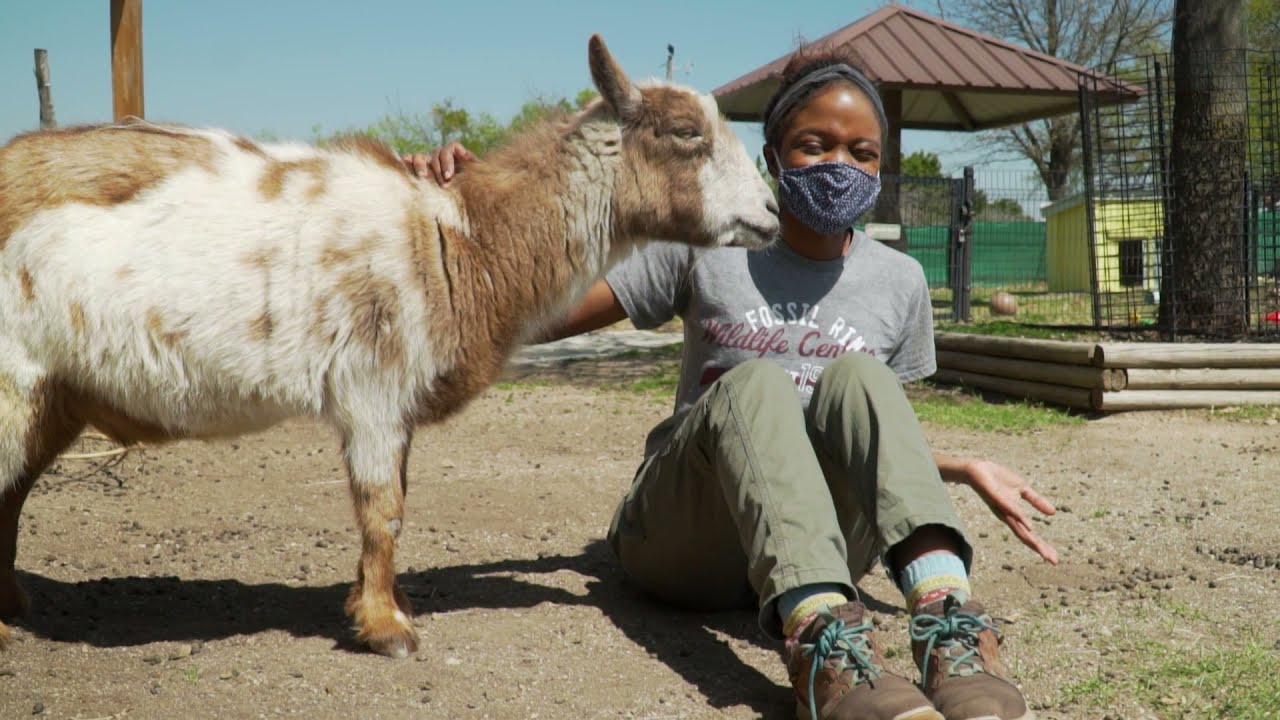
- The significance and history of National Farm Animal Day.
- Educational insights into farm animal welfare and conservation.
- Prominent species highlighted on National Farm Animal Day.
- Role of zoos and wildlife sanctuaries in farm animal education.
- Public engagement and activities related to National Farm Animal Day.
National Farm Animal Day is a special occasion dedicated to raising awareness about the welfare and conservation of farm animals. Celebrated annually, this day serves as a reminder of the integral role farm animals play in our ecosystems, economies, and societies. Recognizing their contributions is vital not only for ethical reasons but also for biological and environmental sustainability. The day encourages reflection on farming practices and promotes improved care and management of these animals.
Farm animals have been domesticated for thousands of years, and their history is intertwined with the development of human civilization. National Farm Animal Day highlights the need to honor these animals and explore sustainable practices. By understanding their biology and behavior, we can improve their welfare. This celebration underscores the importance of conserving genetic diversity among farm animals, which is essential for resilient agricultural systems.
Educational initiatives aim to inform the public about proper care for farm animals and highlight the consequences of neglect and exploitation. Humane treatment is crucial, given the cognitive and emotional capacities of many farm animals. For instance, pigs are known for their intelligence, comparable to that of dogs, and they can experience a range of emotions. Cows have complex social structures and intricate communication methods. Recognizing such traits encourages ethical treatment and improved living conditions.
Species like chickens, sheep, cows, pigs, and goats often take center stage during National Farm Animal Day. Each species contributes uniquely to agriculture, providing resources like milk, meat, wool, and eggs. The day serves as an opportunity to educate the public about these animals’ respective needs and contributions. Interactive activities might include visits to farms, sanctuaries, or zoos, where people can engage directly with the animals.
Zoos and wildlife sanctuaries play a pivotal role in educating the public about farm animals. These institutions offer a wealth of information and experiences, fostering a deeper understanding of animal welfare and conservation. By organizing events, workshops, and guided tours, zoos provide valuable insights into animal care and management practices. These experiences help dispel myths and misconceptions about farm animals and highlight the importance of species preservation.
Public engagement is crucial for the success of National Farm Animal Day. Activities might include educational workshops, farm visits, and cooking demonstrations focusing on sustainable and humane farming. Social media campaigns amplify these efforts, reaching broader audiences. The involvement of schools, community groups, and governmental organizations ensures a comprehensive approach to farm animal welfare and conservation. Through active participation, individuals and communities can contribute to more sustainable and ethical agricultural practices.
National Farm Animal Day is a powerful catalyst for change, promoting ethical and sustainable treatment of farm animals. By fostering education and raising awareness, this day enhances our collective responsibility toward these vital animals and the environments they inhabit. The celebration is a call to action for improved practices, ensuring a brighter future for farm animals and sustainable agriculture worldwide.
*****
Source Description
Oops! We forgot to add our #nationalfarmanimalsday video here to YouTube on Saturday April 10. Regardless you should see what Amber has to say about our Childrens Animal Center critters! These might be classified as farm animals but they aren’t just any old farm animals.
